Nigeria Schools Get Pad Banks to End Period Poverty
Nigerian schools are establishing "pad banks" to provide emergency menstrual products to students, ensuring girls never miss class due to lack of supplies. The initiative combines government support, donations, and improved sanitation to tackle a problem affecting millions.
Millions of Nigerian girls are about to get the support they need to stay in school every single day of the month.
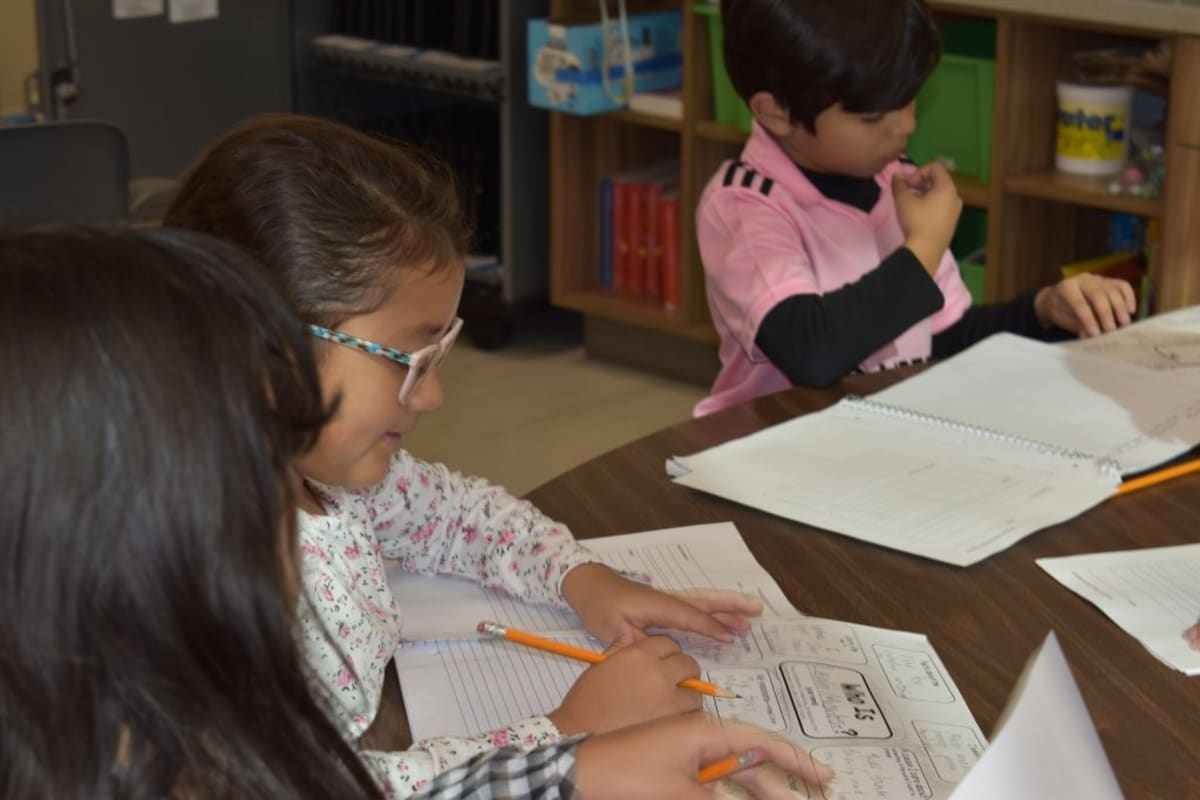
The United Nations Population Fund is pushing for "pad banks" in schools across Nigeria, a simple but powerful solution to help students who start their period without adequate supplies. Instead of missing class or lying in the school clinic, girls can now access emergency menstrual products on campus.
The numbers tell a stark story. About 24 percent of Nigerian schoolgirls regularly miss school because they lack menstrual materials, according to World Bank estimates. UNICEF puts the broader impact at 37 million Nigerian women and girls experiencing period poverty.
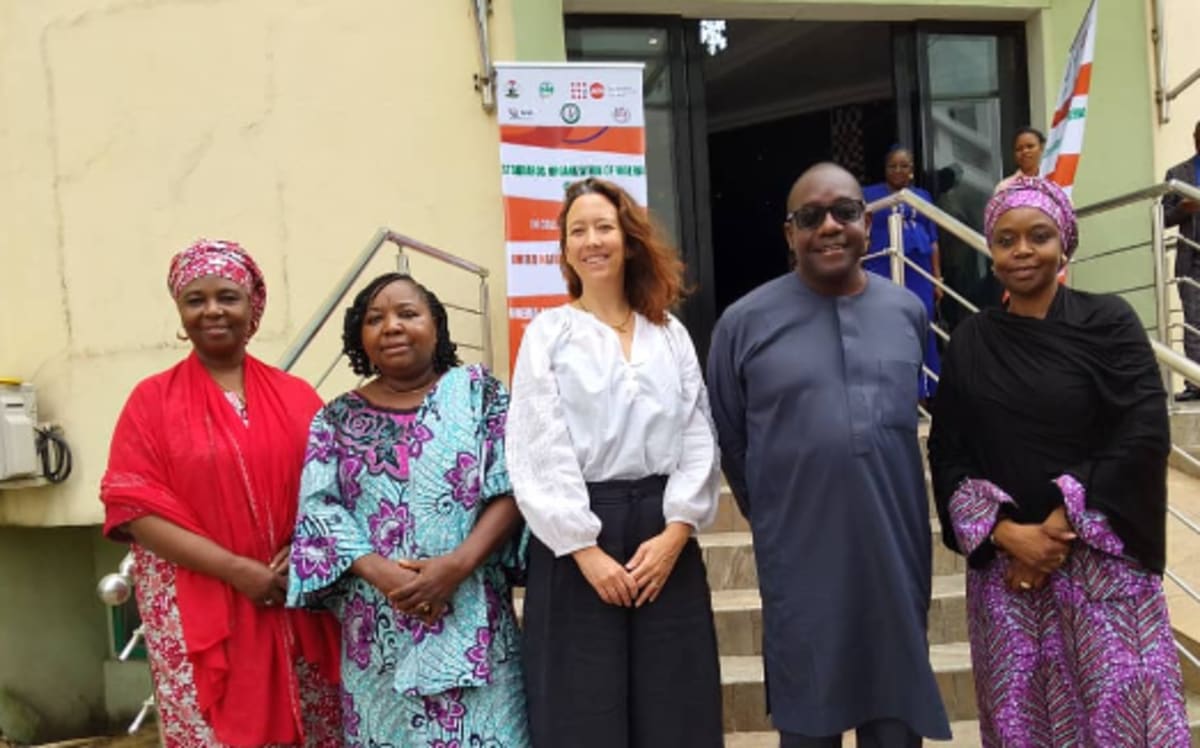
Dr. Zubaida Abubakar, UNFPA's Gender Management Specialist, explained the vision at Nigeria's Menstrual Health Product Forum 2026 in Lagos. "If I have a daughter and I know that girl is menstruating, no matter how difficult for me, I can put like two or three pads," she said. "But in case that one will not be able to sustain her, there should be something that she can go to."
Some schools and nonprofits have already begun establishing these banks. The model is designed to be sustainable through government social protection programs, Parent-Teacher Associations, foundations, and individual donors who can adopt schools and provide regular supplies.
The Ripple Effect
This initiative goes far beyond handing out pads. Schools are also upgrading water and sanitation facilities, installing proper disposal systems like incinerators, and ensuring privacy for students. Mrs. Mariam Shuaibu from the Federal Ministry of Women Affairs emphasized that having a pad means nothing without water, privacy, or a safe place to use it.
The timing couldn't be more critical. Inflation has transformed what was once affordable into a luxury for many families. Meanwhile, Nigeria's National Policy on Menstrual Health and Hygiene Management has completed consultations across all six geopolitical zones and awaits Federal Executive Council approval.
UNFPA is also working with stakeholders to examine taxes and duties on menstrual products, advocating for reforms that could reduce costs. The Standards Organisation of Nigeria is ensuring that affordability doesn't come at the expense of quality and safety.
When girls can attend school every day without worry, they perform better academically, stay in school longer, and unlock futures that might otherwise slip away one missed class at a time.
Based on reporting by Vanguard Nigeria
This story was written by BrightWire based on verified news reports.
Spread the positivity!
Share this good news with someone who needs it