Nigeria Secures $126M to Connect All 774 Districts Online
Nigeria just landed major European funding to bring high-speed internet to every corner of the country, tripling its fiber network in a massive infrastructure leap. The $126 million from Europe joins $500 million from the World Bank to make nationwide connectivity a reality.
Nigeria is about to triple its internet backbone, and some of the world's biggest development banks are betting it will work.
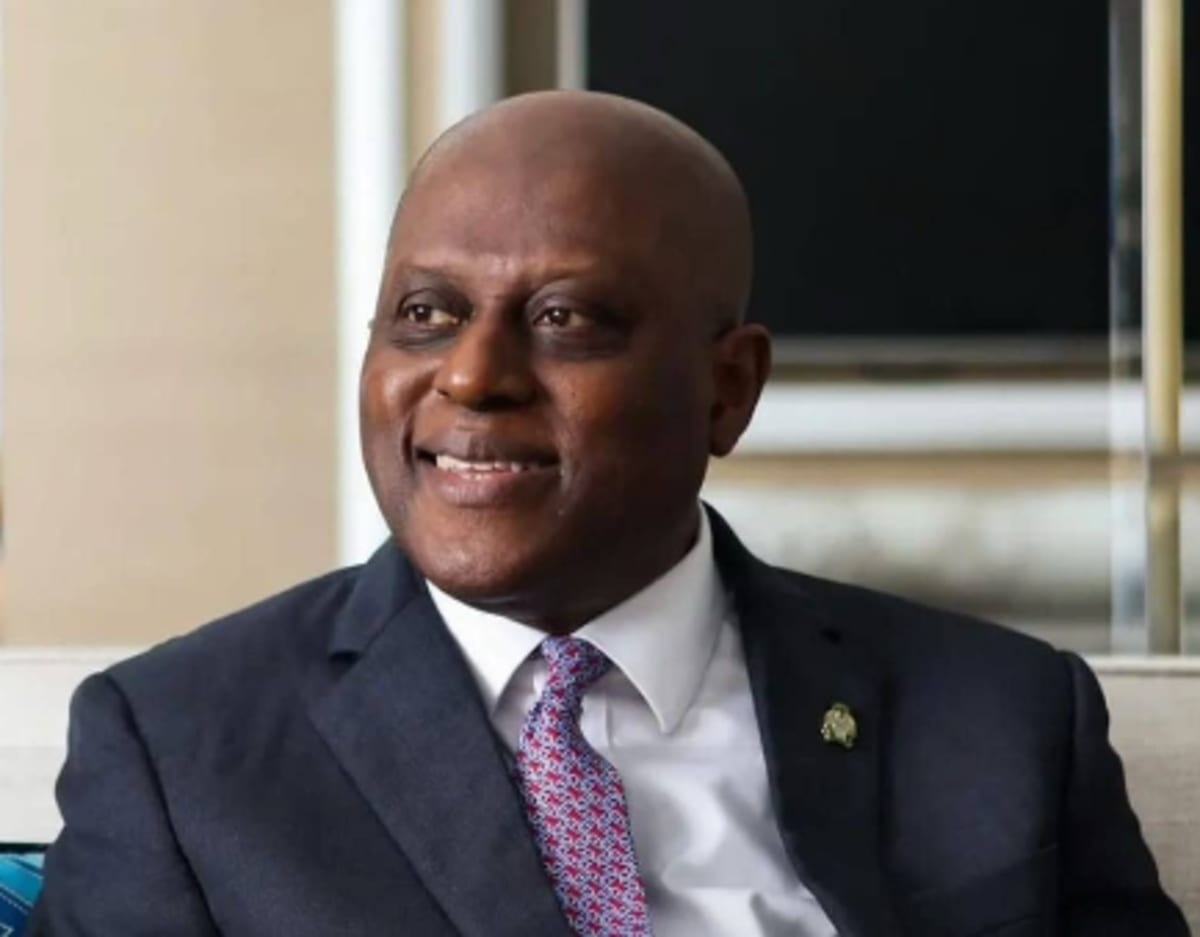
The country just secured $126 million in European funding for Project BRIDGE, an ambitious plan to bring high-speed fiber internet to all 774 local government areas across Nigeria. Minister of Communications Bosun Tijani announced the breakthrough after a whirlwind two-week tour across six European countries.
The European Bank for Reconstruction and Development approved $100 million, one of its largest commitments ever to Nigeria's digital sector. The European Union added another $26 million in grants, plus $18 million for digital public services and $5 million to train tech talent through Nigeria's 3 Million Technical Talent Programme.
These aren't small bets on a faraway dream. The new funding adds to $500 million already secured from the World Bank, bringing total backing to over $600 million.
Project BRIDGE will expand Nigeria's fiber network from 35,000 kilometers to 125,000 kilometers. That's enough cable to circle Earth three times, reaching communities that have never had reliable high-speed internet.
The World Bank structured its investment as pay-for-results, releasing funds only when Nigeria hits specific milestones. The first $6 million arrives in 2026 once the project management team is set up. Another $155 million follows in 2027 after the first 5,000 kilometers are built and tested.
Work has already started on the ground. In mid-February, Nigeria awarded a $335,000 contract to map out the first 40,000 kilometers of fiber routes, turning ambitious plans into engineering blueprints.
The Ripple Effect
When every local government area gets connected, millions of Nigerians will suddenly have access to remote work opportunities, online education, and digital services that were previously impossible with slow or nonexistent internet. Small businesses in rural areas will be able to reach customers nationwide. Students will access the same learning resources as their peers in major cities.
The infrastructure will also position Nigeria for the AI era, giving the country's growing tech sector the backbone it needs to compete globally. With 3 million people training for digital careers through the government's talent program, the timing couldn't be better.
European development banks don't write nine-figure checks for projects they doubt will succeed. Their investment signals that Nigeria's digital expansion plan is both commercially viable and strategically sound, opening doors for more partnerships ahead.
In a country where internet access has long divided opportunity between urban and rural communities, 90,000 kilometers of new fiber cable represents more than infrastructure—it's a bridge to possibility.
Based on reporting by TechCabal
This story was written by BrightWire based on verified news reports.
Spread the positivity!
Share this good news with someone who needs it