Nigeria Senate Approves Real-Time Election Results
After massive public pressure, Nigeria's Senate reversed course and approved real-time electronic transmission of election results. The move aims to restore trust in a democracy where voter turnout recently hit historic lows. #
Nigeria just took a major step toward transparent elections, and it happened because citizens refused to stay silent.
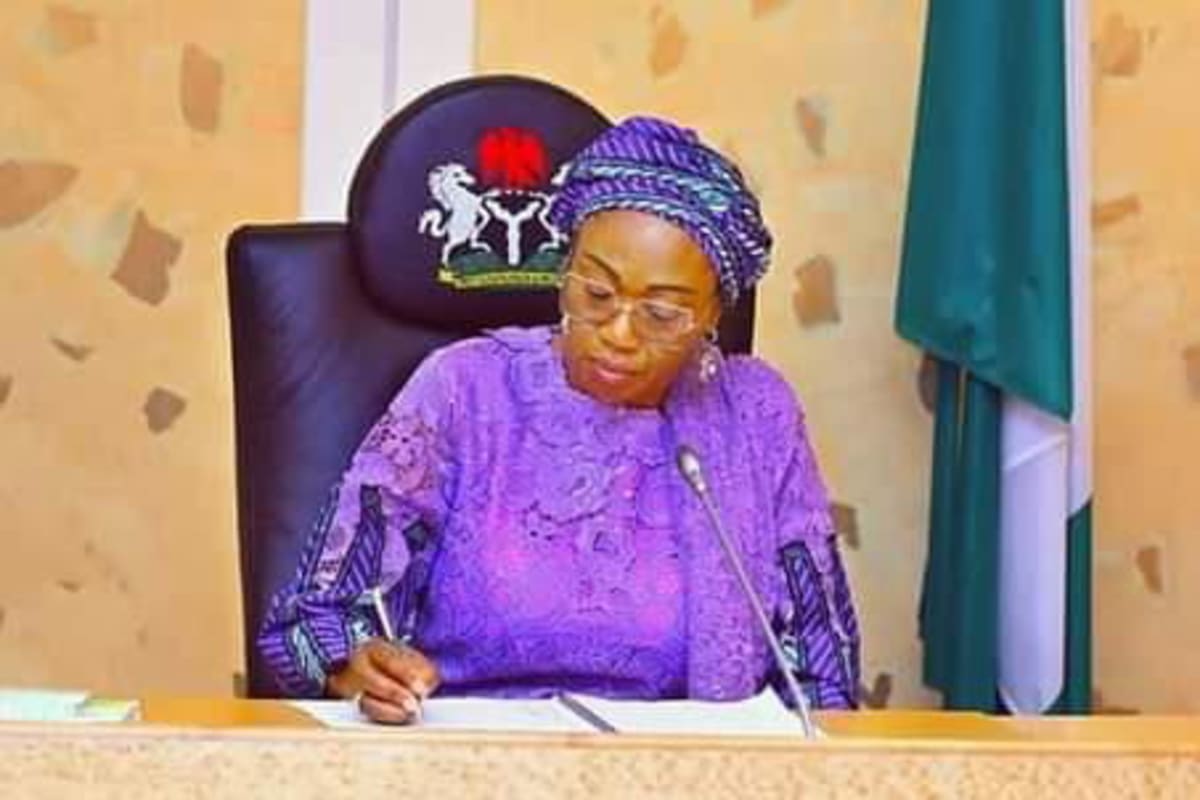
The Senate voted this week to allow real-time electronic transmission of election results, reversing a decision from just days earlier that had sparked protests across the country. Trade unions and civil society groups celebrated the win after threatening mass boycotts of the 2027 presidential election if the change didn't happen.
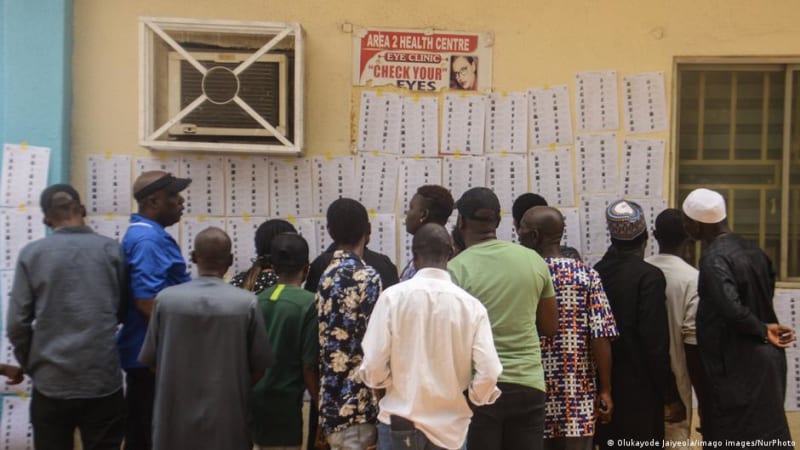
The shift matters because Nigeria has struggled with election credibility for decades. Almost every presidential race since 1999 has ended up in court, with allegations of vote tampering during the manual counting process.
Only 27% of eligible voters participated in the last presidential election in February 2023, the lowest turnout since Nigeria returned to democratic rule. That apathy stems from years of contested results and public distrust in the system.
Real-time transmission means polling stations will upload results immediately after voting ends, reducing the window for interference during manual collection. The Senate confirmed the decision was unanimous and would boost public confidence in the electoral process.
Nigeria's challenges are real. With more than 175,000 polling stations scattered across Africa's most populous nation, some areas face spotty internet, security threats, and limited infrastructure. During the 2023 election, only 10% of constituencies successfully uploaded results promptly, mostly in wealthier cities.
The Ripple Effect goes beyond one country's borders. Nigeria is home to over 200 million people and serves as a bellwether for democratic progress across West Africa. When citizens see their votes counted transparently, it strengthens faith in democracy itself.
The Independent National Electoral Commission has spent a decade introducing technology to improve election integrity, but execution has lagged behind promises. EU election observers noted after the 2023 vote that the online results platform "did not work as expected," despite being heavily promoted beforehand.
Trade union leader Joe Ajaero made the stakes clear last weekend: implement real-time transmission or face mass action and potential election boycotts. Within days, lawmakers listened.
The next presidential election is scheduled for February 2027, when current President Bola Tinubu is expected to seek a second term. Nigeria now has two years to strengthen internet infrastructure, train polling staff, and prove that technology can deliver on its promise of transparency.
When citizens demand change loudly enough, even the most reluctant institutions can move forward.
#
More Images

Based on reporting by DW News
This story was written by BrightWire based on verified news reports.
Spread the positivity!
Share this good news with someone who needs it