Nigeria Settles $500M Power Debt, Unlocks New Investment
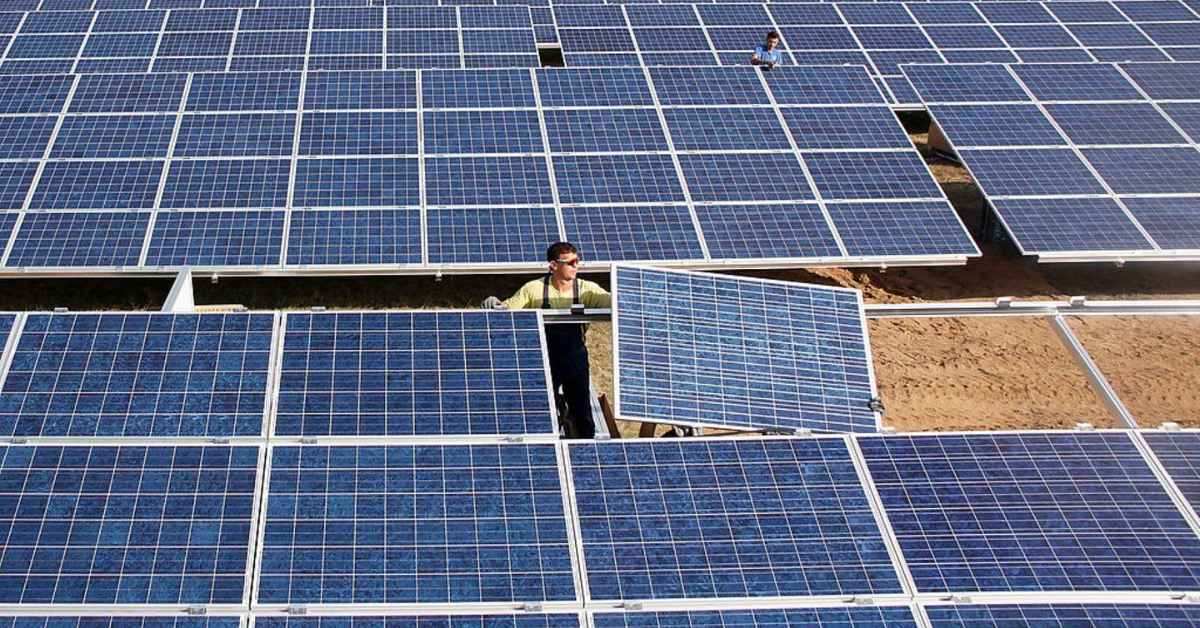
Nigeria just paid off half a billion dollars in decade-old power sector debt through Africa's largest energy bond, finally freeing up five major power companies to expand electricity access for 12 million customers. The move signals a turning point for a country where unreliable power has held back economic growth for years.
Five power generation companies in Nigeria have signed historic debt settlement agreements after the government issued a N501 billion bond (roughly $500 million USD) to clear a massive backlog of unpaid bills dating back to 2015.
The bond received 100% subscription from pension funds, banks, and asset managers, marking renewed confidence in Nigeria's electricity sector. For years, the government owed power companies for electricity they had already supplied, leaving them unable to reinvest in critical infrastructure upgrades.
Under President Bola Tinubu's Presidential Power Sector Debt Reduction Programme, five companies operating 14 power plants across Nigeria will receive N827 billion in phased payments. The first two installments, totaling N421 billion, will be paid immediately using proceeds from the bond.
The companies settling agreements include First Independent Power Limited, Geregu Power Plc, Ibom Power Company Limited, Mabon Limited, and Niger Delta Power Holding Company Limited. Together, they generate power for over 12 million registered electricity customers nationwide.
For Kola Adesina, head of Sahara Power Group, the settlement means construction can finally begin on a major expansion. "Because we were owed so much, it was a bit of a problem for us to put in more money," Adesina explained at Tuesday's signing ceremony in Lagos. "Once this process is over, construction will commence immediately on the second phase of our Egbin Power Plant."
Johnson Akinnawo, Managing Director of Nigeria Bulk Electricity Trading, called it a defining moment for the country's power sector. The decade of unpaid bills had created a vicious cycle where power companies couldn't invest in maintenance or expansion, leading to more blackouts and frustrated customers.
The Ripple Effect
This settlement does more than balance government books. Reliable electricity powers everything from hospitals keeping vaccines cold to small businesses running equipment to students studying after dark.
When power companies can count on getting paid, they invest in better infrastructure. Better infrastructure means fewer blackouts. Fewer blackouts mean businesses can plan ahead, factories can operate consistently, and families can store food safely.
The programme settles bills for 290,644 gigawatt-hours of electricity delivered over the past decade. That's enough power to run every household in Lagos for years.
Special Adviser on Energy Olu Verheijen emphasized that the bond issuance combines immediate debt relief with long-term structural reforms. The government verified every claim and negotiated settlements transparently, using capital markets rather than just printing money or taking on questionable loans.
The success of the bond offering, with institutional investors fully subscribing, suggests the financial community believes Nigeria is serious about fixing its power sector this time. That confidence could attract even more private investment into generation, transmission, and distribution.
For a country where economic growth has long been hampered by unreliable electricity, clearing this debt removes a major obstacle. Power companies can now focus on what they do best: keeping the lights on and expanding access to communities still waiting for reliable electricity.
More Images



Based on reporting by Punch Nigeria
This story was written by BrightWire based on verified news reports.
Spread the positivity!
Share this good news with someone who needs it