Nigeria Shifts From Aid to Investment for Development
Nigeria's Vice President calls for a new approach to Africa's growth, focusing on strategic investment over traditional aid. The country launches three major initiatives to empower women, youth, and children through education and financial inclusion.
Nigeria is rewriting the playbook on how Africa funds its future, shifting from dependence on aid to attracting long-term investment capital.
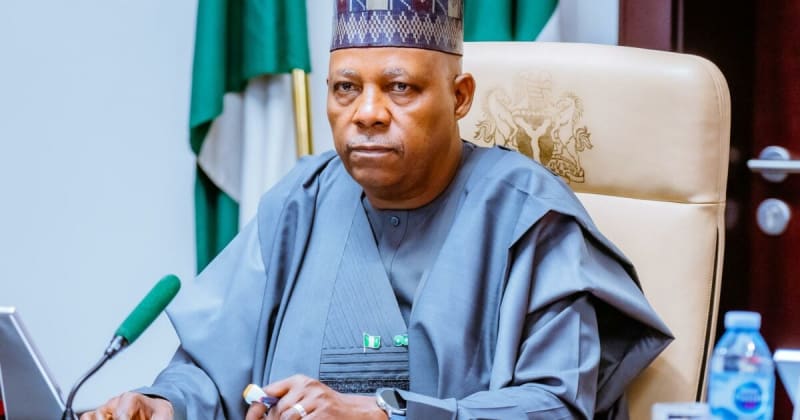
Vice President Kashim Shettima announced the bold vision at the Africa Social Impact Summit 2026 in Abuja this week. He emphasized that Africa's development challenges need patient capital, blended finance, and private enterprise working alongside governments to create lasting change.
"Government alone cannot solve Africa's development challenges," Shettima stated through his technical adviser. For decades, development was treated as spending money, but Nigeria is now reframing it as investing in people, systems, and infrastructure that generate returns.
The approach recognizes a simple truth: businesses thrive in countries with educated workforces, healthy populations, and stable communities. This isn't charity with a new label; it's capitalism that understands long-term profits depend on inclusive growth.
President Bola Tinubu's administration is backing the vision with concrete action. The government is strengthening delivery systems across education, health, agriculture, climate action, and digital infrastructure to create opportunities for young people and women.
Nigeria launched three flagship programs at the summit to turn policy into reality. The Business Coalition for Education and Nigeria Foundational Learning Fund will tackle literacy, numeracy, and the challenge of children missing school. The Women and Youth Financial and Economic Inclusion platform will expand economic opportunities through co-investment and performance accountability.
The Ripple Effect
The shift could transform development across the continent. When Africa's most populous nation positions development as investment rather than aid, it signals to private capital that the continent is open for business partnerships that benefit everyone.
The United Nations Resident Coordinator in Nigeria noted that for the country to meet its Sustainable Development Goals, states must become the primary engines of implementation. Development partners confirmed their commitment to accelerating progress through collaboration.
Nigeria's message is clear: the most profitable markets of the future will be the most inclusive ones. By investing in human potential today, the country is building the foundation for sustainable prosperity tomorrow.
The summit brought together government officials, development partners, social innovators, and civil society to forge partnerships focused on measurable outcomes, not just promises.
More Images



Based on reporting by Punch Nigeria
This story was written by BrightWire based on verified news reports.
Spread the positivity!
Share this good news with someone who needs it