Nigeria Slashes Drug Tariffs, Pharmacists Push for Deeper Reform
Nigeria just cut import taxes on essential medicines to make healthcare more affordable for millions. Pharmacists are celebrating the move but calling for stronger action against fake drugs and better support for local manufacturing.
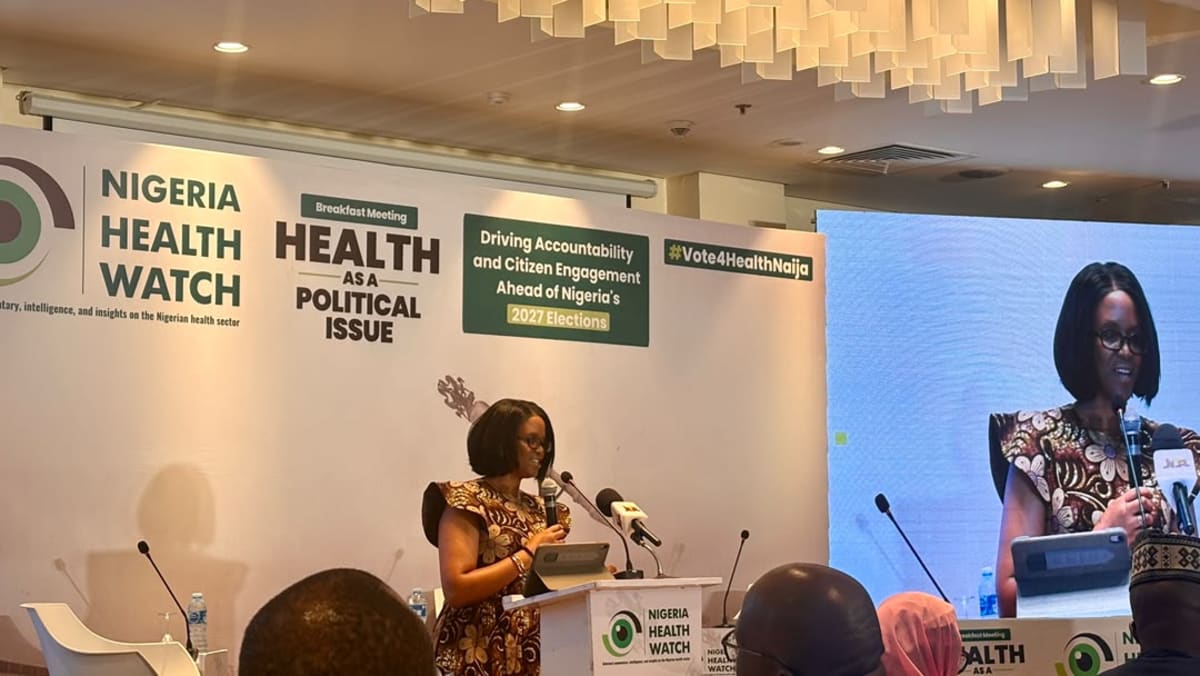
Millions of Nigerians could soon get easier access to life-saving medicines after the government slashed import tariffs on drugs and pharmaceutical products.
The Federal Government approved sweeping tariff cuts across 127 product lines in April 2026, including reducing antimalarial medication tariffs to 20 percent. The policy aims to lower the cost of critical medicines and expand healthcare access across the country.
Pharmaceutical Society of Nigeria President Pharm. Ayuba-Tanko Ibrahim called the tariff reduction laudable and said it should reduce drug prices and improve accessibility. The organization commended the government's commitment to making healthcare more affordable for everyday Nigerians.
However, pharmacy leaders say the tariff cuts alone won't solve Nigeria's healthcare challenges. Ibrahim warned that weak regulation, counterfeit drugs, and insufficient support for local manufacturing remain major obstacles that could limit the policy's impact.
The counterfeit drug problem poses a serious threat to public health. Unregistered pharmaceutical premises continue operating across Nigeria, flooding the market with fake medicines that endanger lives and undermine trust in the healthcare system.
Former PSN President Pharm. Olumide Akintayo pointed to previous government attempts to reduce drug prices that failed due to poor implementation. He recalled an Executive Order from two years ago that produced disappointing results because it lacked professional input from pharmacists.
Pharmacy leaders are now calling for President Bola Tinubu to establish a Presidential Committee on the Pharmaceutical Sector led by experienced pharmacists. They believe only technical pharmacy expertise can address the complex challenges facing Nigeria's drug supply system.
The proposed committee would tackle multiple urgent priorities. These include implementing the long-delayed National Drug Distribution Guidelines, strengthening penalties for counterfeit drug sellers, and boosting local production of Active Pharmaceutical Ingredients and vaccines.
Association of Community Pharmacists Chairman Pharm. Ambrose Ezeh emphasized that reducing drug costs requires professional leadership with defined timelines. The technical nature of pharmaceutical regulation demands expertise that only trained pharmacists can provide, he explained.
Why This Inspires
Nigeria's tariff cuts show government responsiveness to public health needs, while pharmacist advocacy demonstrates professional commitment to genuine solutions over quick fixes. Their push for comprehensive reform reflects understanding that sustainable change requires addressing root causes, not just symptoms. The unified call for a Presidential Committee signals readiness to collaborate with government on evidence-based policy that could transform healthcare access for Africa's most populous nation.
With the right structural reforms backing these tariff reductions, Nigeria could build a pharmaceutical sector that serves its people affordably while supporting homegrown industry.
More Images



Based on reporting by AllAfrica - Health
This story was written by BrightWire based on verified news reports.
Spread the positivity!
Share this good news with someone who needs it