Nigeria Stops 7 Terror Suspects Using New Digital System
Nigeria's new integrated digital identity system helped security officials arrest seven suspected terror commanders returning from Hajj. The breakthrough shows how technology is making borders safer across Africa's most populous nation.
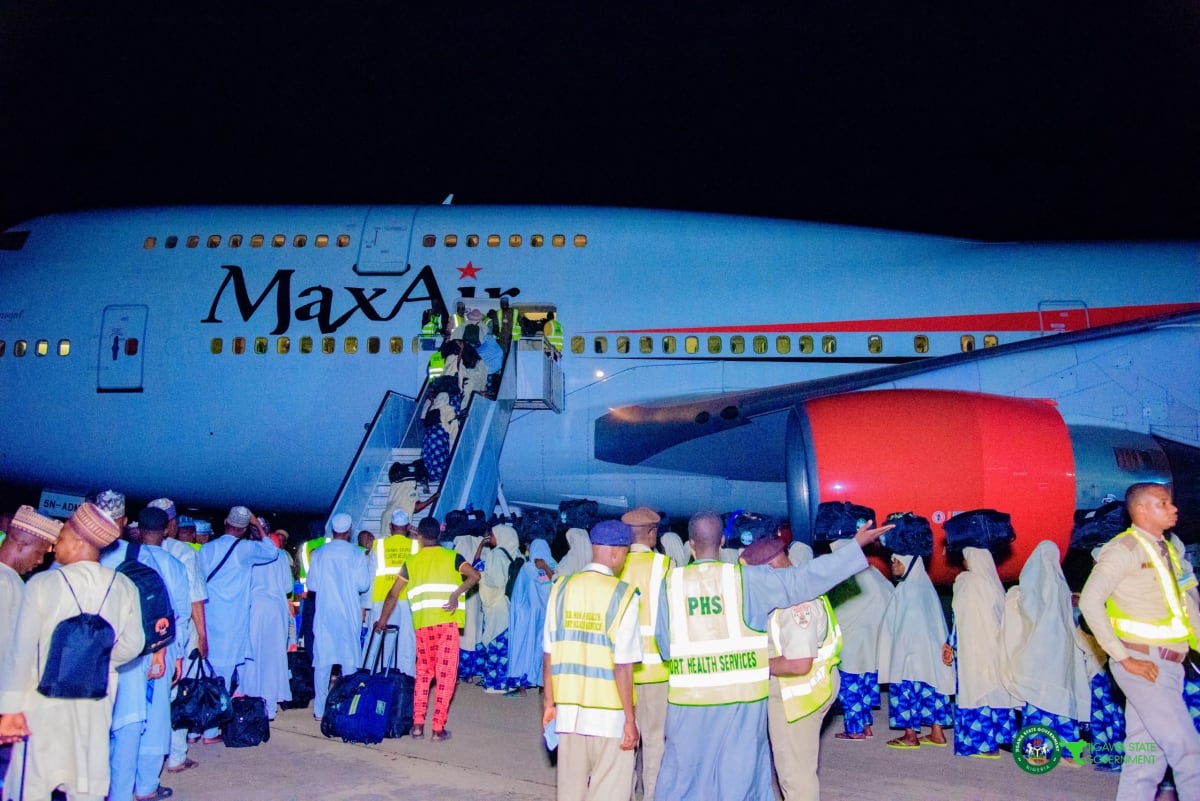
A high-tech upgrade to Nigeria's security systems just proved its worth in a major way. Seven suspected commanders of Boko Haram and ISWAP were arrested at Katsina airport last week as they returned from the annual Hajj pilgrimage to Mecca.
Interior Minister Olubunmi Tunji-Ojo announced the arrests on Friday, crediting a newly integrated digital identity system that connects Nigeria's biometric database with immigration records and international security platforms like Interpol. The suspects were handed over to the State Security Service for investigation.
The arrests happened because Nigeria finally connected the dots between different government systems. Before President Tinubu took office, getting a passport, driver's license, and national ID were completely separate processes that didn't talk to each other.
Now, every Nigerian passport requires data from the National Identity Management Commission (NIMC). That information flows to immigration officers, border agents, and international law enforcement in real time.
The timing of the announcement coincided with President Tinubu signing the updated NIMC Act 2026 into law. The new legislation gives the commission stronger legal authority to manage digital identities and secure electronic authentication across government agencies and approved private platforms.
The Ripple Effect
This technological leap extends far beyond catching seven suspects. Nigeria's 200 million citizens now have an identity infrastructure that reduces fraud, speeds up government services, and strengthens national security without adding checkpoints or slowing down legitimate travelers.
The system creates what security experts call a "connected safety net." When someone applies for a passport, opens a bank account, or crosses a border, their identity gets verified against the same trusted database. Bad actors can't slip through gaps between disconnected agencies anymore.
Other African nations watching Nigeria's rollout could adopt similar systems. The technology proves that developing countries don't need to choose between security and efficiency when they invest in modern digital infrastructure.
Senator Godswill Akpabio noted that the National Assembly studied international best practices before passing the new law. Nigeria benchmarked its system against successful identity programs worldwide.
The arrests also demonstrate that improved screening doesn't require restricting religious freedom. Millions of Nigerian Muslims travel to Mecca for Hajj each year, and the vast majority do so without incident. Better technology simply helps security officials identify the tiny fraction who shouldn't be traveling.
Security agencies haven't released the suspects' identities or confirmed whether they'll face formal charges yet. Those details should emerge as the investigation continues.
For now, Nigeria has shown that smart technology investments can deliver real security wins while respecting citizens' rights and privacy.
More Images



Based on reporting by Premium Times Nigeria
This story was written by BrightWire based on verified news reports.
Spread the positivity!
Share this good news with someone who needs it