Nigeria Tackles 28M Home Shortage With Infrastructure
Nigeria is confronting a massive housing crisis affecting millions, but experts say the solution lies in something already underway: building better roads, power grids, and transit systems. Countries like China and the U.S. prove that smart infrastructure investments unlock affordable housing and economic growth.
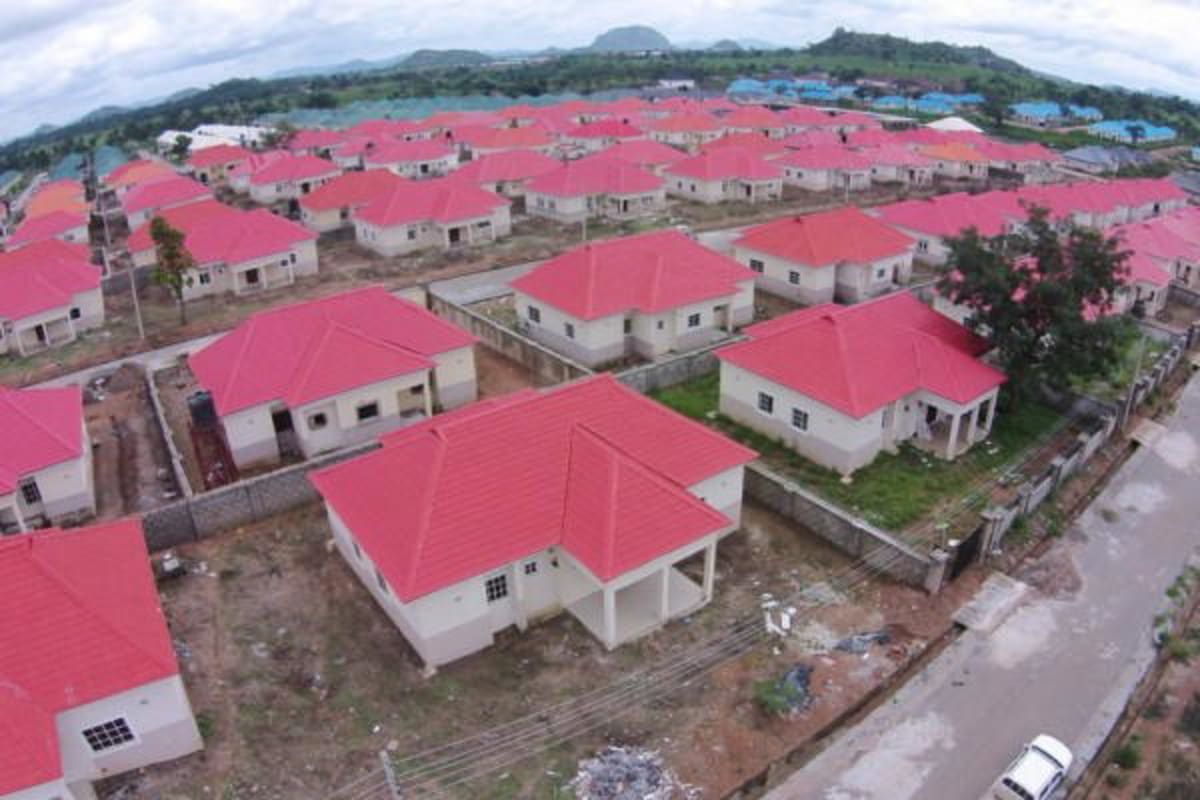
Nigeria faces a staggering shortage of 28 million homes, leaving millions of families without adequate shelter. But urban development expert Oluseyi Okeyode says the path forward is clearer than many realize: infrastructure comes first, affordable housing follows.
The connection isn't obvious until you look at success stories worldwide. When China built its high-speed railway system, entire cities transformed along the routes, with property development and jobs blooming in previously isolated areas. The United States saw the same pattern with major highway and bridge projects opening land for new communities.
Nigeria's housing crisis stems from multiple challenges working together: rapid urban migration as people seek opportunities in cities, high construction costs, limited financing options, and gaps in urban planning. These problems compound each other, making homes increasingly unaffordable for average families.
Housing represents far more than shelter. The United Nations recognizes adequate housing as a fundamental human right, embedded in the Universal Declaration of Human Rights and multiple international agreements. Ecuador's New Urban Agenda emphasizes this right as essential to quality of life.
Nigeria's constitution includes housing provisions, acknowledging what developed nations learned long ago. Access to stable housing directly impacts health, education access, employment opportunities, and overall productivity for individuals and society.
The missing piece is infrastructure. Without reliable electricity, functional roads, and efficient public transit, developers cannot build affordably in areas where land costs less. Families cannot access jobs or schools from neighborhoods that lack basic services.
The Ripple Effect
When governments invest in power grids, transportation networks, and water systems, they create conditions for private developers to build. Construction costs drop when materials can move efficiently. Property values stabilize when utilities work reliably. Communities thrive when workers can reach jobs without impossible commutes.
European nations demonstrate this principle through their long-standing commitment to public housing paired with robust infrastructure. The European Commission's Affordable Housing Plan combines construction innovation with infrastructure improvements, recognizing neither works effectively alone.
Asian economies are following this blueprint, rapidly expanding infrastructure investments to compete globally. They understand that real estate drives economic growth, and infrastructure determines where that growth happens.
Nigeria's government has intensified efforts on roads, railways, bridges, and power systems. These projects represent more than improved transit or electricity. Each infrastructure investment potentially unlocks land for thousands of homes, reduces building costs, and makes neighborhoods livable for families currently trapped in inadequate conditions.
The challenge affecting 28 million households won't disappear overnight. But the framework exists: infrastructure development creates the foundation for housing supply, which drives affordability, which supports family stability and economic opportunity.
When basic services reach underserved areas, developers can build. When developers can build affordably, families can access homes. When families have stable housing, children attend school regularly, adults maintain steady employment, and communities strengthen. Infrastructure investment becomes housing opportunity becomes economic transformation.
Based on reporting by Vanguard Nigeria
This story was written by BrightWire based on verified news reports.
Spread the positivity!
Share this good news with someone who needs it