Nigeria Tackles $2B Power Debt After Decade of Darkness
Nigeria's president approved a $2 billion plan to clear power sector debts that have kept millions in the dark for over a decade. The settlement could finally bring reliable electricity to homes and businesses across Africa's most populous nation.
After more than ten years of blackouts and broken promises, Nigeria is taking a major step toward fixing its electricity crisis.
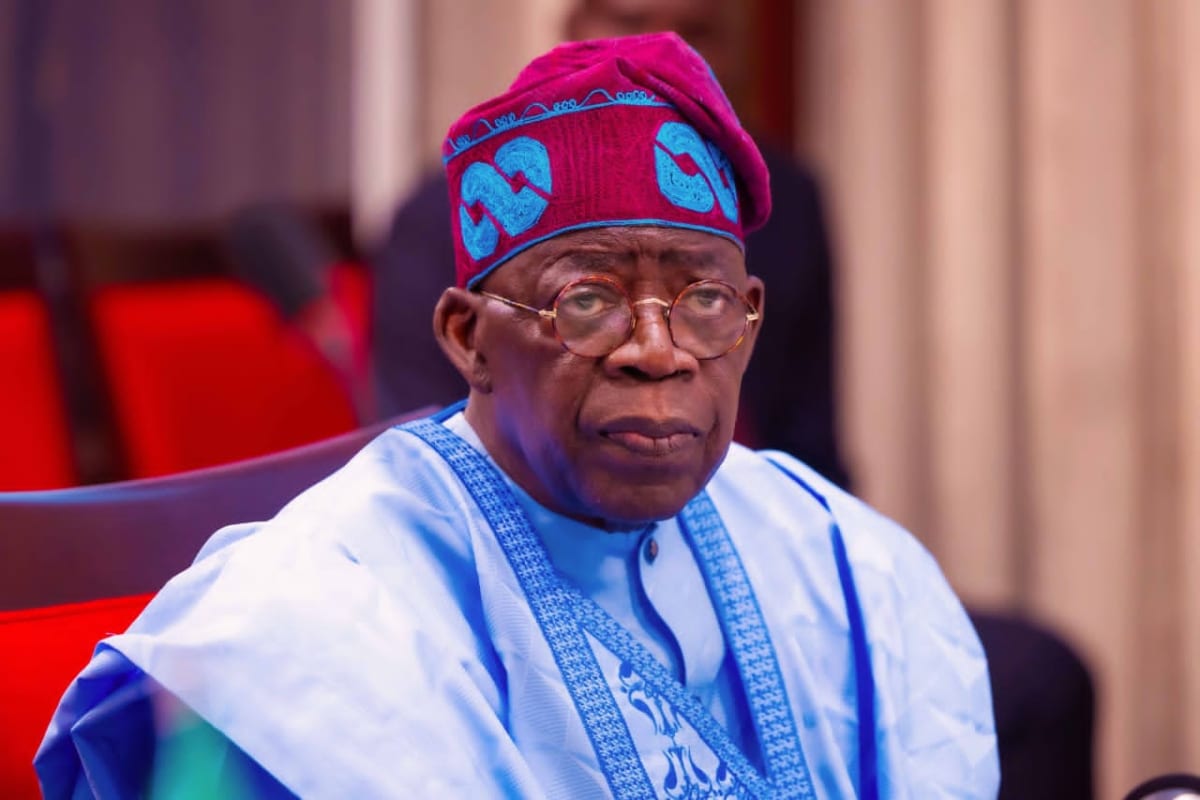
President Bola Tinubu approved a $2 billion payment plan to settle debts that have paralyzed the country's power sector since 2015. The money will clear obligations to 15 power generation companies that have struggled to keep the lights on while waiting for payment.
The impact of these financial troubles has been severe. Electricity grids have collapsed multiple times this year alone, leaving millions of Nigerians without power and forcing families and businesses to rely on expensive diesel generators or solar panels.
The government has already raised $310 million and distributed $138 million to power companies, with more payments rolling out now. These funds are going directly to gas suppliers and generation companies to help them restart stalled operations and improve service.
The plan faced pushback from labor unions earlier this year. The Nigeria Labour Congress called it "a heist" and questioned why companies bought for $250 million were now demanding trillions in support despite producing the same amount of power as before privatization.
The Ripple Effect
Beyond just paying old bills, this settlement could transform daily life for millions of Nigerians. Reliable electricity means students can study after dark, hospitals can refrigerate medicine properly, and small businesses can operate without spending half their profits on fuel for generators.
The government plans to link future electricity tariffs to actual service quality, ensuring customers only pay for power they actually receive. Officials are also prioritizing supply to factories and small enterprises to boost job creation and economic growth.
Olu Arowolo-Verheijen, the president's energy adviser, emphasized the broader vision: "This programme is about restoring confidence across the power sector, ensuring gas suppliers are paid, power plants can keep running, and the system begins to work more reliably."
The next phase of reforms launches this quarter, bringing Nigeria closer to the reliable electricity its 220 million citizens deserve.
More Images



Based on reporting by Premium Times Nigeria
This story was written by BrightWire based on verified news reports.
Spread the positivity!
Share this good news with someone who needs it