Nigeria Takes Control of HIV Response After Donor Funding Dips
Nigeria just launched a bold new plan to fund its own HIV programs instead of relying on international donors. The five-year strategy aims to integrate HIV care into the country's regular health systems by 2030.
Nigeria is taking ownership of its fight against HIV, launching a new five-year plan that shifts from donor dependency to homegrown funding and leadership.
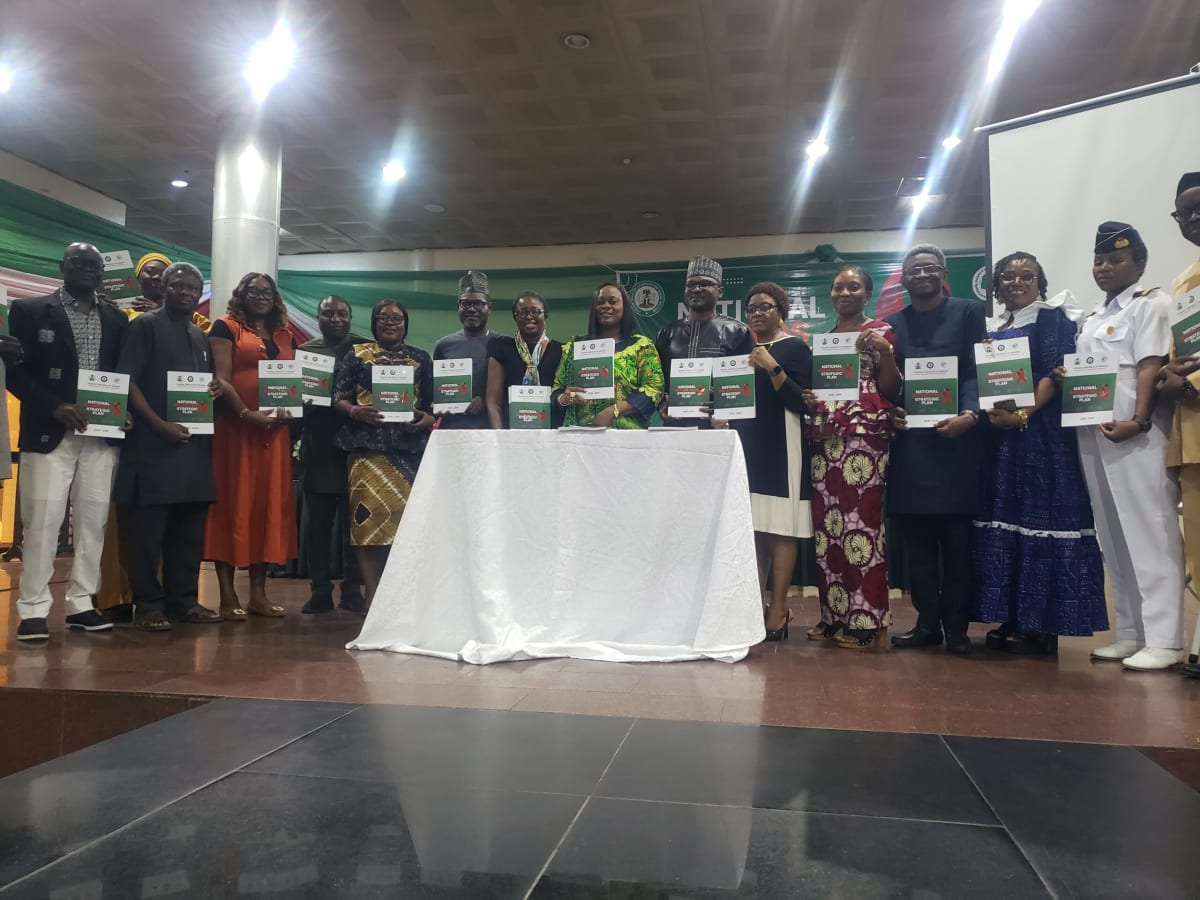
The National HIV and AIDS Strategic Plan 2026-2030, unveiled Thursday in Abuja, marks a turning point for Africa's most populous nation. With international funding declining, Nigeria is stepping up to sustain the progress it's made over two decades.
The numbers tell a powerful story. Nigeria has cut new HIV infections by 52 percent since 2010. Nearly 80 percent of people living with HIV now know their status, a crucial step toward getting treatment and preventing spread.
But about 2 million Nigerians still live with HIV, and the country can't count on foreign aid forever. Temitope Ilori, who leads the National Agency for the Control of AIDS, said the plan represents a necessary reset for changing times.
The new strategy weaves HIV services into existing government systems across health, education, and social services. Instead of running separate HIV programs, Nigeria will fold testing, treatment, and prevention into primary healthcare centers, schools, and community organizations.
Financing will come from expanded health insurance, government budgets at all levels, and private sector partnerships. Business leaders say companies increasingly recognize that employee health drives productivity and stability.
Faith groups are also pushing for a bigger role. Emmanuel Okechukwu from the Nigeria Interfaith Coalition on AIDS pointed out that religious organizations already provide grassroots care and support. He said formal integration of faith communities is essential for reaching everyone who needs help.
The Ripple Effect
Nigeria's shift could inspire other countries facing similar funding pressures. When nations take full ownership of their health programs, they build stronger, more resilient systems that outlast any single donor cycle.
The move also strengthens accountability. Right now, Nigeria struggles to track how much different government levels spend on HIV programs. The new plan invests in better financial tracking with Global Fund support, making it easier to see what works and where money goes.
Private sector leaders want a seat at the table as co-owners, not just checkbook contributors. Youth advocates, gender equality groups, and justice sector partners are all part of the coordinated response.
By 2030, Nigeria aims to eliminate parallel HIV programs entirely. Testing, treatment, and prevention will happen through regular health services accessible to everyone, funded primarily by Nigerians themselves.
The transition won't happen overnight, but the foundation is solid. Nigeria has proven it can reduce infections and expand treatment access when resources and strategy align.
This plan builds on those wins while preparing for a future where the country controls its own health destiny.
More Images



Based on reporting by Premium Times Nigeria
This story was written by BrightWire based on verified news reports.
Spread the positivity!
Share this good news with someone who needs it