Nigeria Targets $500M Savings With Palm Oil Plan
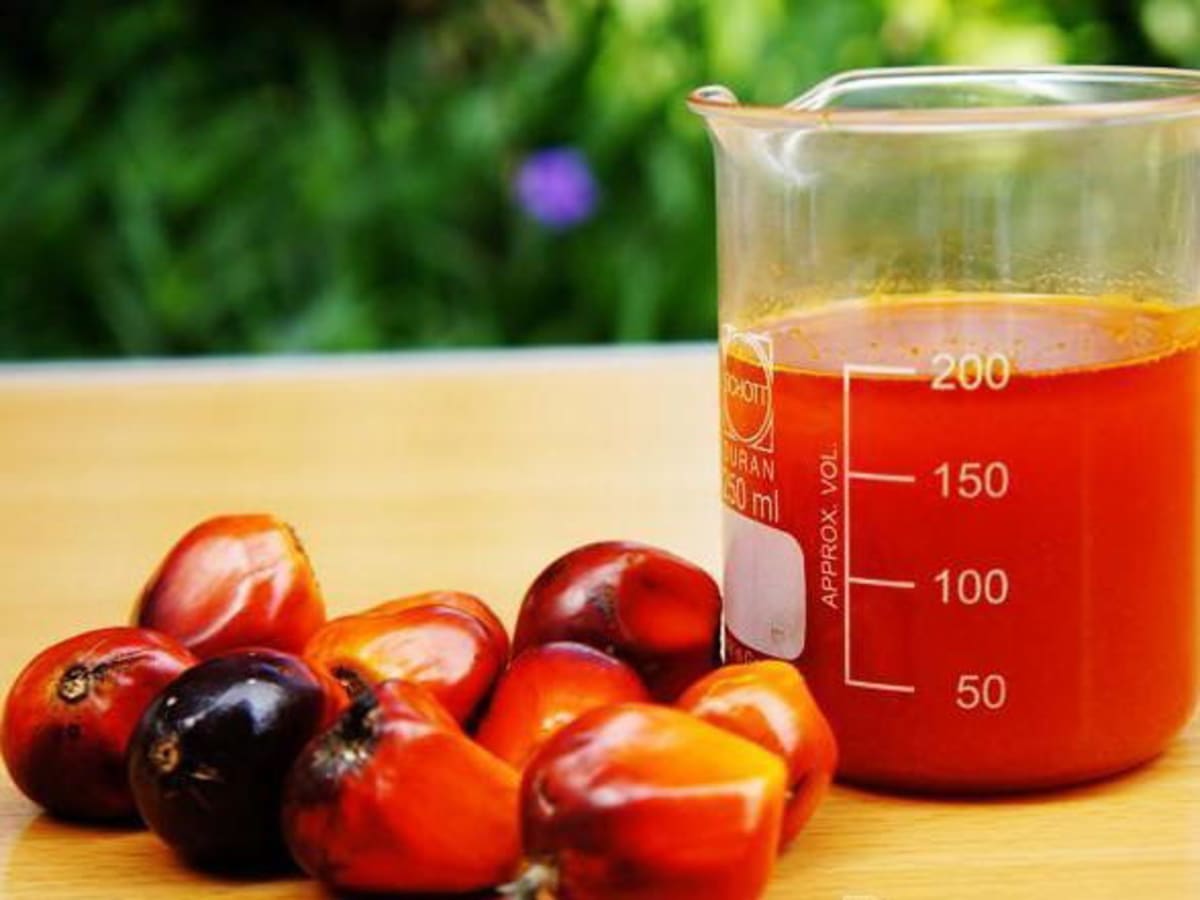
Nigeria is launching a massive palm oil revival that could slash import bills by $500 million annually while creating thousands of jobs. Seven new integrated estates will help close the gap between what the country grows and what it needs.
Nigeria is taking a giant leap toward food independence with an ambitious plan to grow its way out of a $500 million import problem.
The Federal Government announced a new public-private partnership to revive the country's palm oil industry through large-scale estates and modern processing facilities. Right now, Nigeria produces only 1.4 million metric tonnes of palm oil each year but needs over 2.5 million tonnes, forcing expensive imports to fill the gap.
Agriculture Minister Abubakar Kyari says the initiative will bridge that deficit without adding to public debt. The government will provide policy support and regulatory backing while private partners handle the actual investment and operations.
Phase one will establish seven integrated oil palm estates, each covering 10,000 hectares across participating states. These aren't just farms but complete production hubs with modern milling facilities, refineries, storage systems, and residential communities designed to support over 2,000 families per location.
Phase two will focus on turning raw palm oil into finished products, creating new manufacturing jobs and building export capacity. Financial projections show investors could see returns between 18 and 25 percent, with payback periods of five to seven years thanks to strong domestic demand.
The Ripple Effect
The impact reaches far beyond oil bottles on store shelves. Nigeria has over three million hectares of land suitable for oil palm cultivation, but most sits unused or struggles with aging trees and outdated methods.
Emmanuel Obiorah Anyaralu, Managing Director of Mass Industrial Development and Logistics Limited, believes the program will transform the entire palm oil ecosystem. Better farms mean higher incomes for rural families. Modern processing facilities mean quality jobs. Reduced imports mean more money staying in Nigeria's economy.
Each estate location will effectively become a small town, with thousands of families building lives around sustainable agriculture. State governments are being called on to facilitate land access and infrastructure development, which will boost local revenue while improving rural livelihoods.
The initiative follows extensive stakeholder consultations and validation of the National Oil Palm Development Strategy. Permanent Secretary Marcus Olaniyi Ogunbiyi confirmed the ministry's commitment after working with farmers, processors, and industry experts to design a workable framework.
Nigeria once led global palm oil production but fell behind as other countries modernized their industries. This coordinated push represents a chance to reclaim that position while addressing food security, job creation, and economic growth simultaneously.
From intention to implementation, Nigeria is planting seeds for a more self-sufficient future.
Based on reporting by Vanguard Nigeria
This story was written by BrightWire based on verified news reports.
Spread the positivity!
Share this good news with someone who needs it