Nigeria Targets Millions of Youth for Skills Training
Nigeria is launching a major skills program to help millions of young people find good jobs, with support from global partners. Vice President Kashim Shettima says the country needs to connect training with real jobs that fuel economic growth.
Nigeria just took a big step toward solving its youth employment challenge by bringing together government, industry leaders, and international partners to create real opportunities for millions of young people.
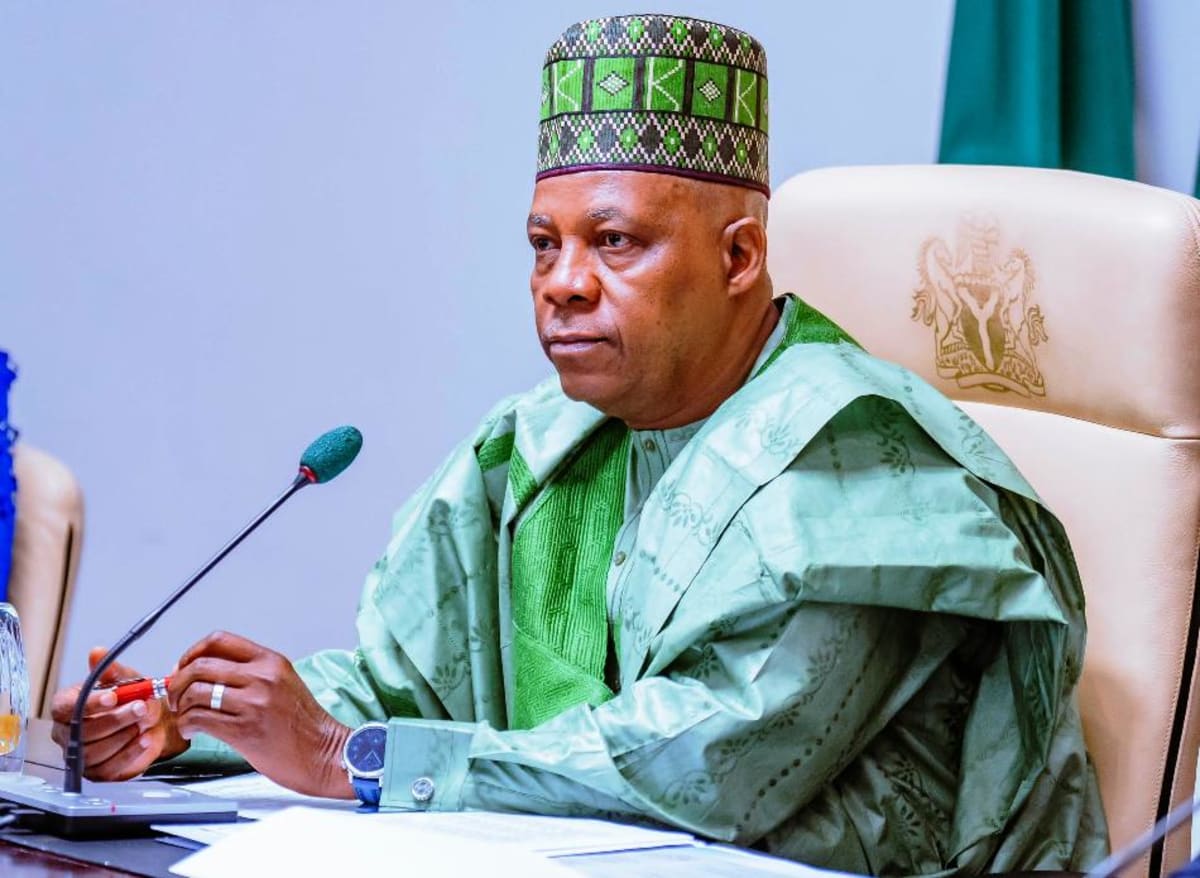
Vice President Kashim Shettima opened the National Skills and Industry Alignment Roundtable in Abuja this week, calling for a coordinated approach to match young workers with jobs that drive economic growth. The event drew support from the European Union and brought together policymakers and business leaders to tackle a critical gap.
Nigeria has one of the world's largest youth populations, with millions entering the job market each year full of energy and potential. But most available jobs remain informal and unstable, disconnected from the kind of productivity that builds lasting prosperity.
"The challenge is not simply job creation, it is alignment," Shettima explained. "Nigeria does not have a talent problem. Until skills meet industry demand, job creation will remain below its full potential."
The government is moving away from scattered, uncoordinated programs toward a unified national system where training leads to employment, employment leads to entrepreneurship, and entrepreneurship fuels the economy. Last year, the Office of the Vice President mapped Nigeria's entire job creation ecosystem and hosted a high level dialogue that confirmed sustainable employment requires private sector leadership with government support.
The new roundtable series creates a structured platform for ongoing collaboration. Instead of one time conversations, stakeholders will work together regularly to build trust and develop practical solutions that connect training programs with actual employer needs.
The Ripple Effect
This initiative recognizes that no single player can solve the challenge alone. The private sector must clearly define the skills they need and help shape training programs accordingly. Development partners like the EU play a vital role beyond just funding by supporting coordination and scaling what actually works.
Even the housing sector stands to benefit significantly. Housing Minister Ahmed Musa Dangiwa noted that building homes involves a long chain of skilled workers from architects to bricklayers, and addressing Nigeria's housing shortage requires this kind of coordinated workforce development.
The shift represents a fundamental change in how Nigeria approaches youth employment. Rather than treating symptoms with isolated programs, the country is building an ecosystem where every part works together toward shared goals.
Nigeria has the talent, energy, and opportunity. Now it's building the coordination, discipline, and execution to turn potential into prosperity for millions of young people ready to contribute to their country's future.
Based on reporting by Vanguard Nigeria
This story was written by BrightWire based on verified news reports.
Spread the positivity!
Share this good news with someone who needs it