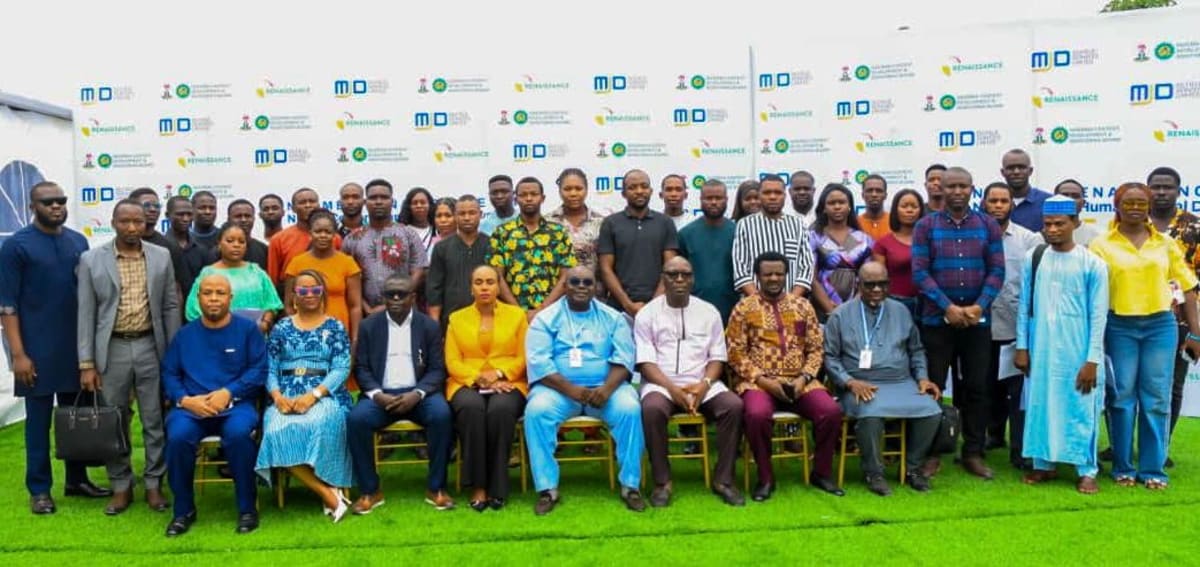
Nigeria Trains 33 Engineers in Pipeline Protection Skills
Thirty-three young Nigerian engineers just started a year-long program to master pipeline maintenance and corrosion prevention, skills critical to protecting the nation's energy infrastructure. The training could help safeguard major projects like the 614-kilometer gas pipeline connecting southern and northern Nigeria.
Nigeria is investing in homegrown talent to protect the pipelines that power its economy. Thirty-three recent engineering and geology graduates gathered in Port Harcourt this week to begin intensive training in pipeline integrity and corrosion control.
The 12-month program combines classroom learning with hands-on field experience. Trainees will learn pipeline pigging, a technique that uses special devices inserted into pipelines to clean them and check for damage, plus methods to prevent the corrosion that can cause costly pipeline failures.
The initiative brings together Renaissance Africa Energy Company, MJD Oilfield Services, and Nigeria's Content Development and Monitoring Board. Their goal is simple: build a pool of local experts who can maintain the country's critical energy infrastructure without relying on foreign contractors.
Mrs. Tarilate Bribena-Teide from the monitoring board explained why this matters. The skills these young engineers gain will prepare them for major national projects like the Ajaokuta-Kaduna-Kano Gas Pipeline, a massive 614-kilometer system that will deliver natural gas across the country.
Beyond technical knowledge, participants will receive mentorship, case study reviews, and continuous coaching. The program aims to create job-ready professionals who can solve real industry problems on day one.
The Ripple Effect
This training represents more than just 33 new careers. Nigeria has long depended on international expertise for specialized oil and gas work, sending money and opportunities overseas.
By developing local talent, the country is building economic self-reliance. Previous graduates of similar programs now hold key positions in Nigeria's energy sector, with some gaining recognition internationally.
Funso Alabi from Renaissance Africa noted that these capacity-building efforts are "turning Nigeria into a great nation," one skilled worker at a time. Managing Director Olayemi Familusi of MJD pointed to visible changes across the industry as indigenous companies grow stronger.
The program also addresses a practical need: Nigeria's energy infrastructure requires constant maintenance to prevent environmental disasters and economic losses. Having trained local engineers means faster response times and lower costs when issues arise.
For the 33 trainees, this represents a chance to build meaningful careers while contributing to national development. They were urged to approach the training with discipline, knowing their expertise will help protect pipelines, prevent failures, and safeguard both the environment and the economy.
Nigeria is betting that investing in its young people today will pay dividends for generations to come.
More Images


Based on reporting by Premium Times Nigeria
This story was written by BrightWire based on verified news reports.
Spread the positivity!
Share this good news with someone who needs it