Nigeria Trains 78,000 Health Workers, Insures 21.7 Million
Nigeria just achieved major wins in healthcare, training 78,000 frontline health workers and expanding insurance coverage to nearly 22 million people. These reforms are bringing care closer to millions who need it most.
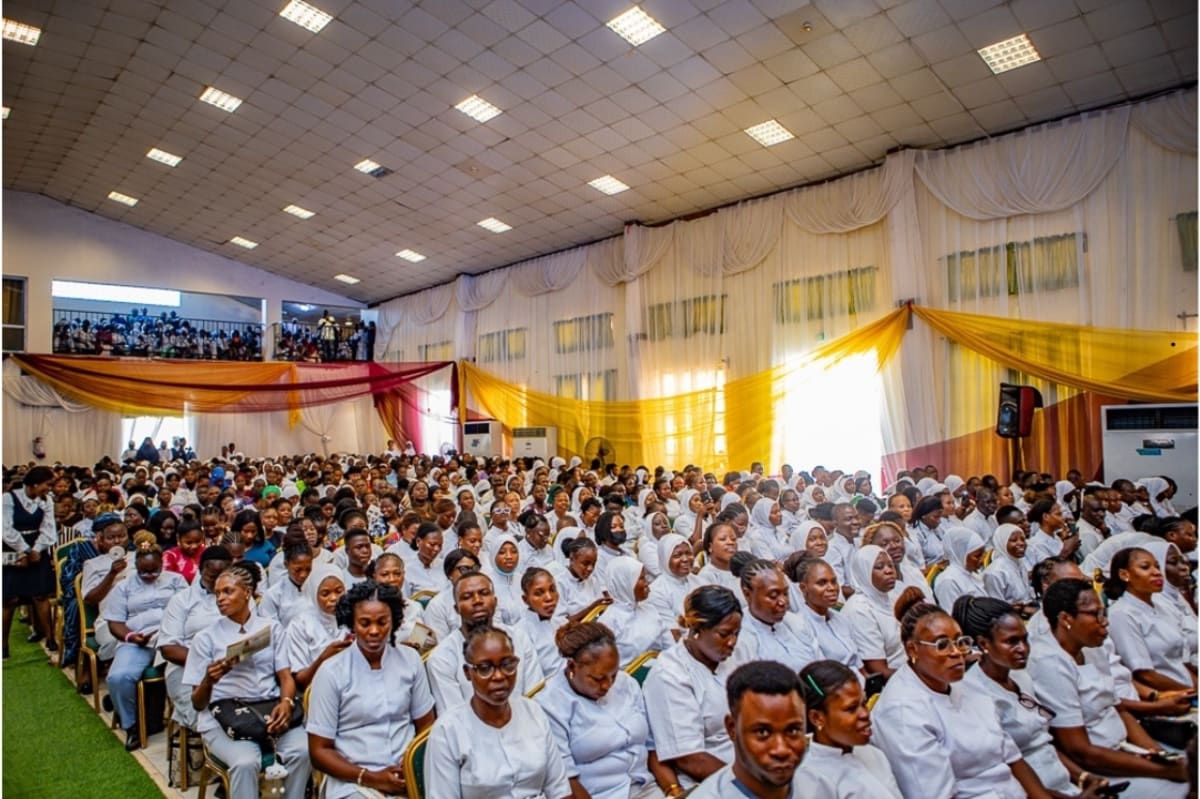
Nigeria is proving that massive healthcare transformation is possible, even in challenging conditions. Over the past two years, the country trained 78,146 frontline health workers and expanded health insurance to 21.7 million citizens, marking real progress toward accessible care for all.
The training program reached 65 percent of its ambitious goal to prepare 120,000 health workers by focusing on primary healthcare facilities where people need help most. These newly trained workers are now serving communities that previously struggled to access basic medical care.
Health insurance coverage jumped from 19.2 million people in 2024 to 21.7 million in 2025, bringing national coverage to 13 percent. The government increased payment rates to healthcare providers by up to 378 percent to reflect economic realities and keep facilities sustainable.
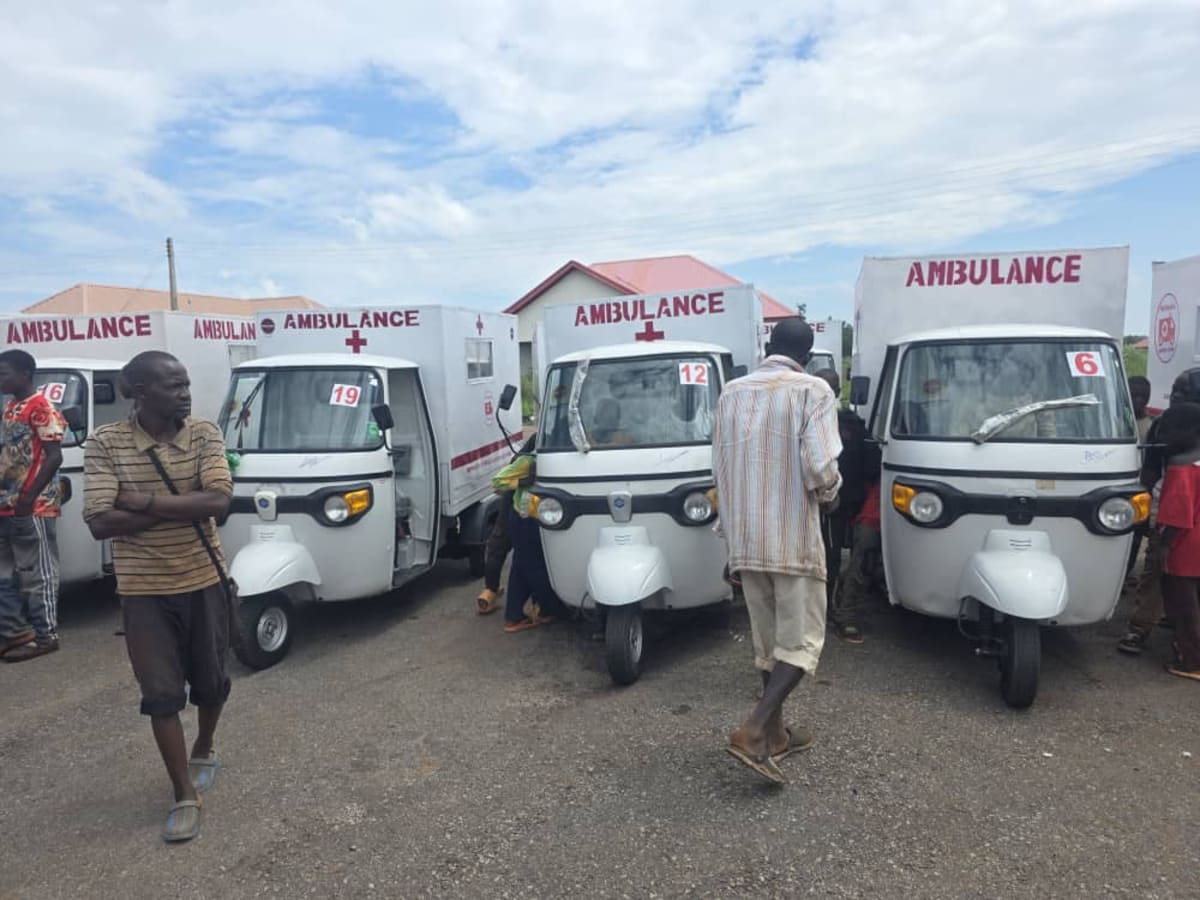
New mothers and babies gained crucial support through expanded emergency services. State ambulance systems responded to 26,431 maternal emergencies nationwide, while a rural transport program helped 34,331 pregnant women and newborns in 124 local government areas reach care in time.
The country also launched malaria vaccines in two states, maintained HIV treatment coverage above 87 percent, and kept viral suppression rates above 95 percent. These programs are directly saving lives and reducing new infections.
Nigeria tackled the counterfeit medicine crisis head-on by seizing and destroying over one trillion naira worth of banned, expired, and substandard medical products. The crackdown protects patients from dangerous fake drugs that undermine treatment.
The Ripple Effect
Local pharmaceutical manufacturing got a major boost through tax waivers worth over six billion naira, benefiting 47 manufacturers. Two new factories opened, including one producing 750,000 syringes daily, while 37 facilities upgrade to meet international standards.
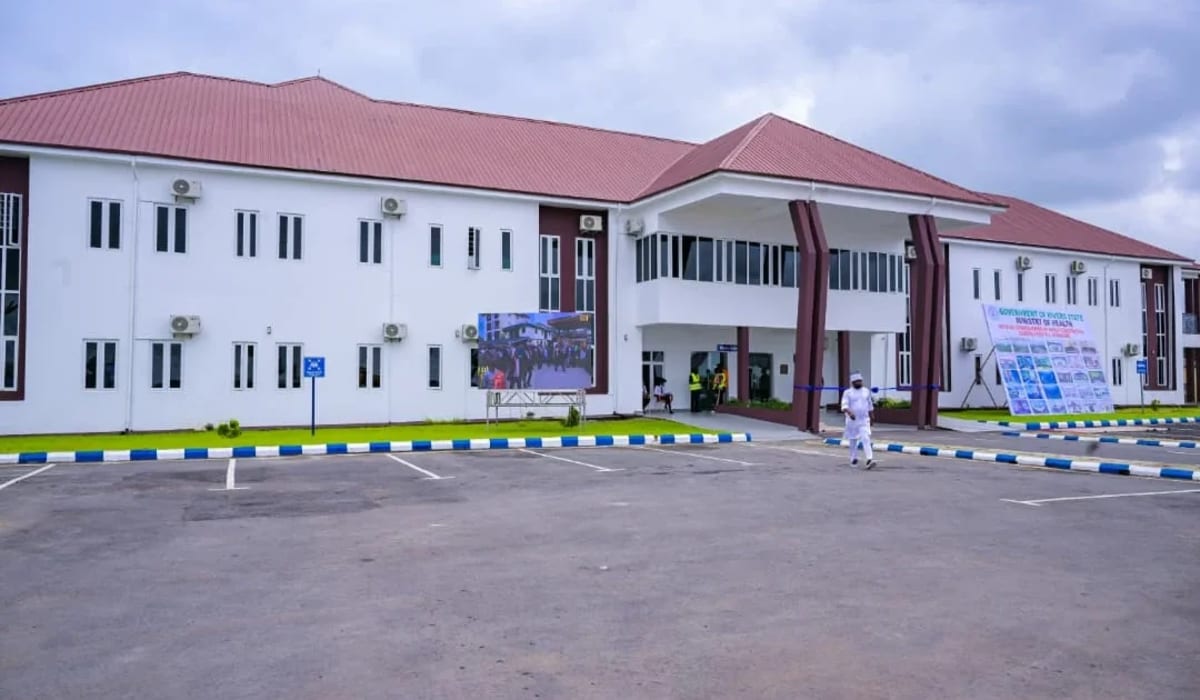
The reforms extend beyond numbers to real systems change. A new digital platform now tracks health system performance in real time, while 200 health facilities signed agreements to provide emergency obstetric and newborn care for vulnerable women.
These coordinated efforts show what's possible when a country commits to health sector transformation. Nigeria is building the foundation for a healthcare system that works for everyone, not just those who can afford private care.
The work continues toward the goal of training 120,000 health workers and reaching universal health coverage, but the momentum is undeniable and the impact already measurable.
More Images



Based on reporting by Premium Times Nigeria
This story was written by BrightWire based on verified news reports.
Spread the positivity!
Share this good news with someone who needs it