Nigeria Turns Cassava Into $7 Billion Industry Revolution
Nigeria produces 60 million tons of cassava yearly but captures just 2% of the global processing market. Now a wave of innovation is transforming this humble kitchen staple into an industrial powerhouse creating jobs and reducing imports.
Nigeria grows more cassava than any country on Earth, yet until now, this achievement has fed families but not transformed the economy.
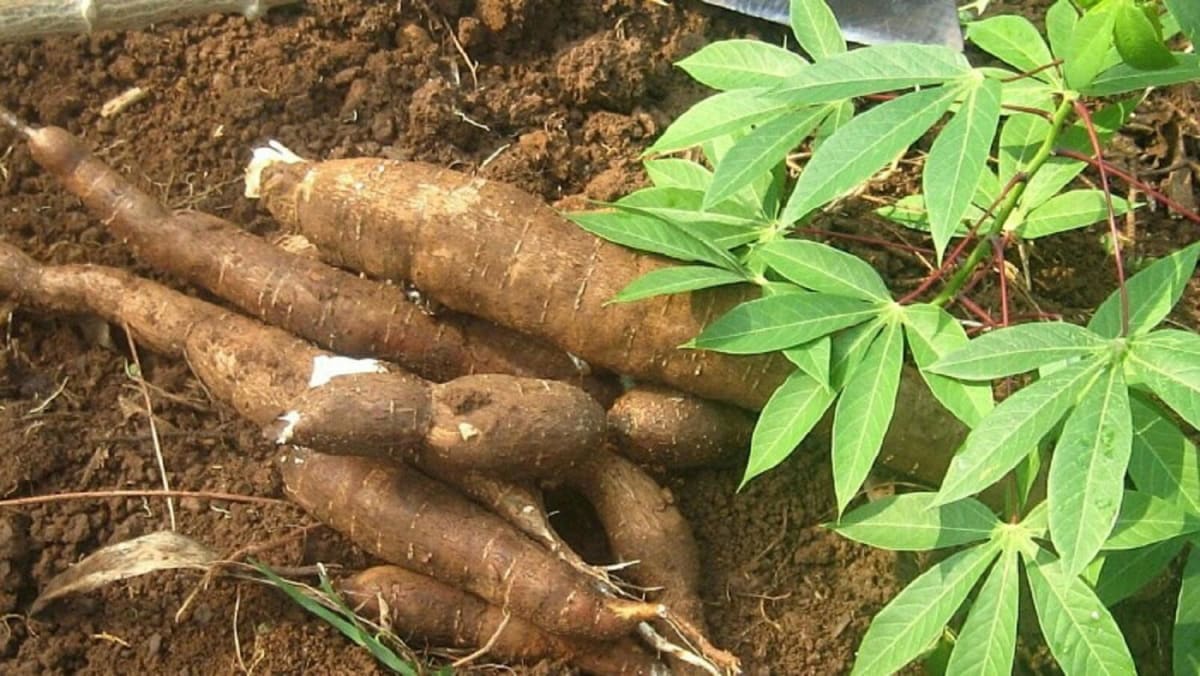
That's changing fast. The nation that produces 60 million metric tons of cassava annually is finally unlocking the root's hidden potential as an industrial goldmine worth $7 billion. What once ended up as garri and fufu on kitchen tables is now becoming the foundation for pharmaceuticals, consumer goods, and renewable energy.
Take mummy Ifunanya, a small farmer in Lagos who plants cassava on empty plots each rainy season. After eight months, she harvests enough to make six bags of garri, selling each for up to 24,000 naira to local retailers. Her story mirrors millions of Nigerian farmers who have quietly sustained their communities through cassava cultivation for generations.
These 14 million smallholder farmers represent 46% of all Nigerian farming households. Their collective expertise spans over 500 years of cassava cultivation, creating a massive foundation ready for industrial scale-up. The knowledge exists. The crops grow abundantly. What's been missing is the infrastructure to transform raw production into processed value.
Now that infrastructure is arriving. The Gates Foundation and research institutions like the International Institute of Tropical Agriculture are deploying disease-resistant, high-yielding cassava varieties across Oyo, Osun, Ekiti, Cross River, Kogi, and Kaduna states. These partnerships focus on mechanization, advanced processing, and strengthening seed systems to boost productivity beyond subsistence farming.
The opportunity is staggering. Despite producing more cassava than anywhere else globally, Nigeria captures just 2% of the $183 billion global cassava processing market. That gap represents untapped potential to create jobs, stabilize foreign exchange, and reduce Nigeria's dependence on imports.
The Ripple Effect
This cassava revolution extends far beyond agriculture. As processing facilities expand, rural communities gain stable employment beyond seasonal farming. Women who once sold raw tubers locally can now access training in industrial processing, food safety, and quality control.
The shift addresses a critical economic vulnerability. For decades, Nigeria has imported products that could be made domestically from cassava, including starches, sweeteners, and industrial inputs. Building local processing capacity keeps money circulating within communities while creating skilled manufacturing jobs.
Research institutions are solving practical challenges too. New cassava varieties resist diseases that previously devastated crops, while improved harvesting techniques reduce post-harvest losses that once reached 30%. These innovations mean farmers like mummy Ifunanya can count on consistent yields and predictable income.
The transformation benefits the environment as well. Cassava requires less water than many crops and thrives in Nigeria's climate without heavy pesticide use. As processing becomes more sophisticated, even cassava peels once discarded as waste are finding purpose in animal feed and biofuel production.
Young Nigerians are taking notice. Agricultural technology startups are connecting farmers directly to processors through mobile platforms, eliminating middlemen and ensuring fair prices. This digital infrastructure makes cassava farming attractive to a generation that might otherwise migrate to cities seeking opportunity.
Nigeria's cassava story proves that progress often hides in plain sight, waiting for the right investments and innovations to unlock potential that was there all along.
Based on reporting by Vanguard Nigeria
This story was written by BrightWire based on verified news reports.
Spread the positivity!
Share this good news with someone who needs it