Nigeria Turns US Threats Into Security Partnership
Nigeria transformed what started as threats of military action from President Trump into a cooperative security partnership. Within three months, the two nations moved from hostile accusations to joint military training and intelligence sharing.
When President Trump threatened military strikes against Nigeria last November, many feared the worst. Instead, Nigeria's government turned a potential crisis into an opportunity for partnership.
The conflict began with Trump's claim that Christians were being systematically killed in Nigeria. His administration placed the West African nation on a religious freedom watchlist and threatened sanctions. Nigerian President Bola Ahmed Tinubu quickly denied the accusations, explaining that armed groups and bandits were attacking communities of all faiths, not targeting Christians specifically.
Rather than escalate tensions, Nigeria took a different approach. The government acknowledged its real security challenges and said it would welcome American help in fighting armed groups that have plagued the country for years.
The strategy worked. By late December, US forces launched strikes in northwest Nigeria, but this time at Nigeria's request. The two countries formed a joint working group in January to address security concerns together.
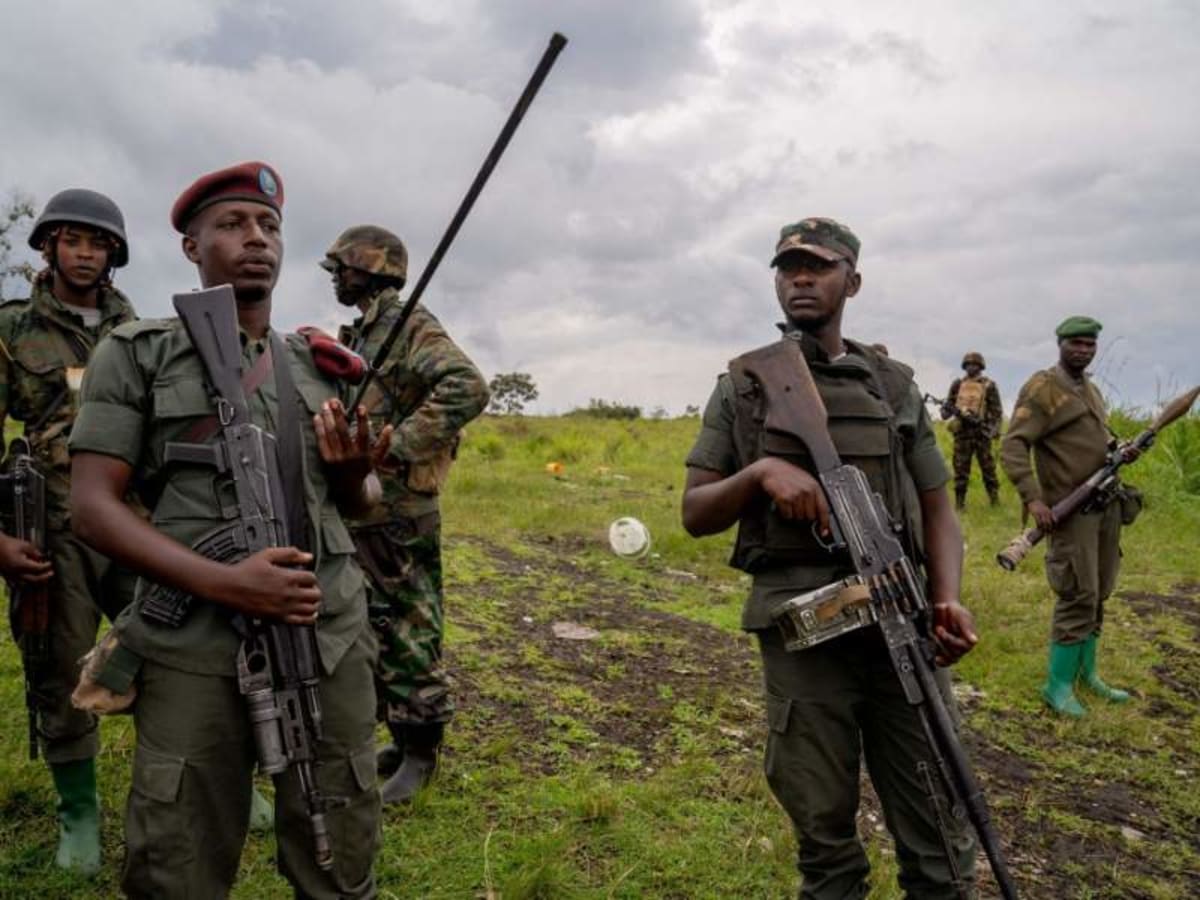
This week marked the culmination of that cooperation. One hundred US military personnel arrived in Nigeria to provide training, technical support, and intelligence sharing to help Nigerian soldiers combat terrorist organizations.
Experts credit Nigeria's diplomatic pivot for the transformation. The country hired Washington lobbyists for $9 million to help communicate its efforts to protect all religious communities. Rather than fighting accusations with more heated rhetoric, Nigeria focused on practical solutions.
The Ripple Effect
The partnership could strengthen security across West Africa, a region where armed groups have grown increasingly dangerous. By combining American intelligence capabilities with Nigerian forces' local knowledge, the collaboration may help protect millions of civilians caught in conflict zones.
The shift from threats to teamwork also demonstrates how diplomatic engagement can replace confrontation. Nigeria maintained its dignity while opening doors to assistance it genuinely needs.
Security analyst Kabir Adamu notes that Nigeria successfully de-escalated the situation, though he wishes the government had been more transparent about negotiations. Still, the outcome represents progress for a country that has struggled with violence from armed groups for over a decade.
From heated accusations to holding hands in partnership, Nigeria and the US now face shared security challenges together.
Based on reporting by Al Jazeera English
This story was written by BrightWire based on verified news reports.
Spread the positivity!
Share this good news with someone who needs it