Nigeria Volunteers Beat Polio With Door-to-Door Campaign
Community volunteers in Nigeria are winning the fight against vaccine hesitancy, helping push immunization rates to 88% after polio cases threatened children. Little Karima's story sparked a movement that's protecting thousands.
When one-year-old Karima's leg stiffened and her walk turned to a limp, health workers confirmed what they feared: she had contracted polio in a region where the disease should no longer exist.
Her case became a turning point for Sokoto State in northwestern Nigeria. Despite the country being declared polio-free in 2020, a vaccine-resistant strain had taken hold in communities where many families refused immunizations.
The problem was serious. Last year alone, Sokoto recorded at least 20 cases of the circulating Vaccine-Derived Poliovirus type 2, with Karima's neighborhood accounting for six of them.
But instead of accepting defeat, health workers and community volunteers launched a bold response. UNICEF-employed Volunteer Community Mobilizers, dressed in distinctive blue hijabs, now march door to door every week searching for newborns and their mothers.
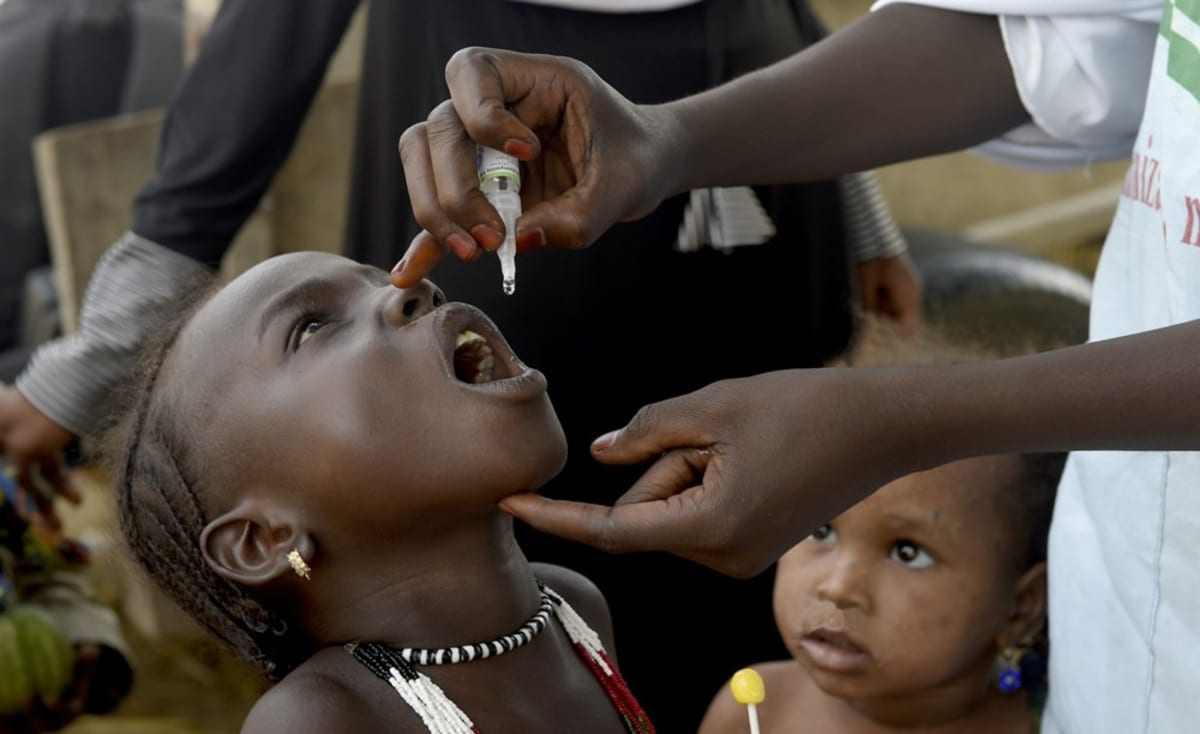
Under trees and in village squares, these women set up temporary vaccination stations. Mothers like Asmau Adamu bring their five-day-old babies to receive life-saving doses while volunteers explain how the vaccines work.
The outreach visits doubled from once to twice weekly across all 28 providers covering more than 200 settlements. Traditional rulers joined the effort, sometimes hosting vaccination sessions right at their palaces to signal community support.
The Ripple Effect
The intensive campaign is working beyond anyone's expectations. Routine immunization providers like Abdullahi Liman report that the increased outreach helped push Shagari's vaccination coverage to 88% last year.
Health officials say that level would have been impossible with just one weekly visit. The volunteers don't just administer vaccines; they educate mothers on childcare and track every unvaccinated child in their communities.
Even in Arkilla Ward, previously the region's leader in vaccine refusals, attitudes are shifting. Community leaders now actively promote immunization, helping families understand that vaccines protect rather than harm their children.
The manpower shortage remains a challenge, but the state government recently hired additional health workers who will soon join the effort. Meanwhile, the volunteers continue their tireless house-to-house searches, determined that no child will face Karima's fate.
These blue-hijabbed champions prove that changing hearts takes patience, but protecting children makes every step worthwhile.
Based on reporting by AllAfrica - Headlines
This story was written by BrightWire based on verified news reports.
Spread the positivity!
Share this good news with someone who needs it