Nigerian Actress Apologizes After Tribal Stereotype Backlash
Bolaji Ogunmola issued a heartfelt apology after scenes in her 2024 film sparked outrage for depicting harmful stereotypes about Yoruba women. The actress took full responsibility and explained the film was meant to promote unity, not division.
A Nigerian filmmaker is working to make things right after her comedy film accidentally hurt the community she belongs to.
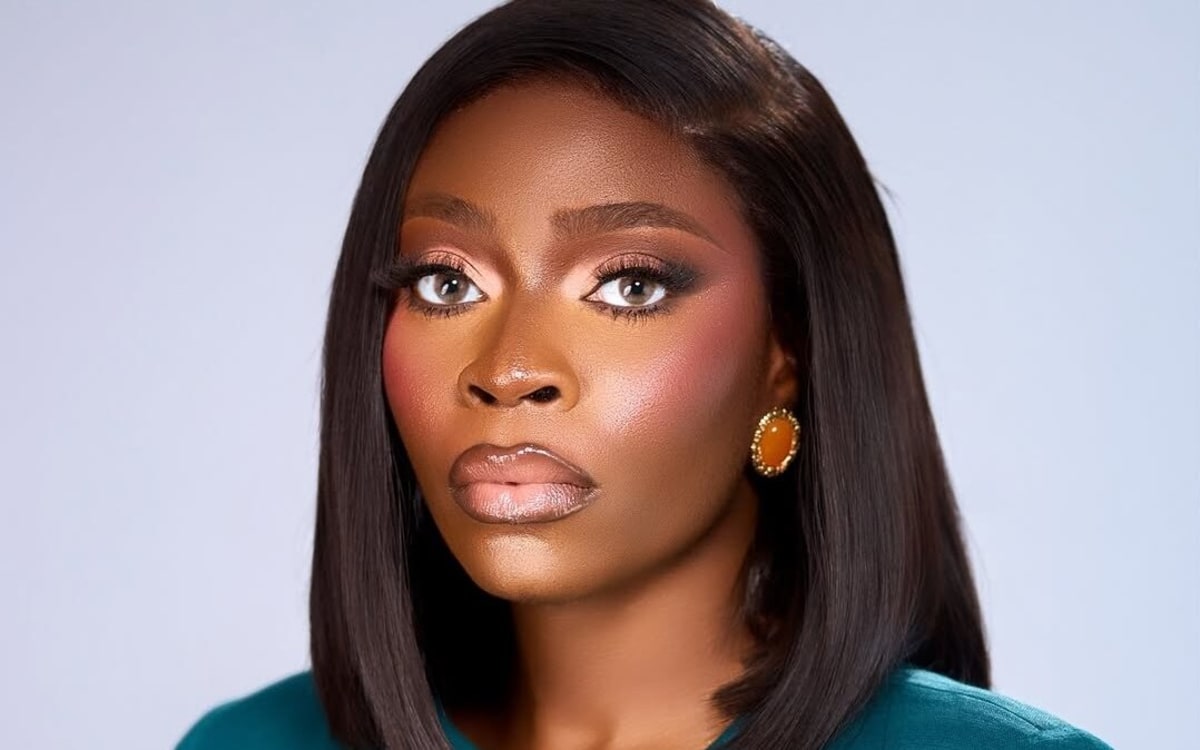
Bolaji Ogunmola, a 33-year-old actress and producer, publicly apologized after scenes from her film "Imperfect Match" went viral for all the wrong reasons. The movie, released in March 2024, included dialogue where a character insulted Yoruba women and their traditional food, calling ewedu soup smelling "like a soak-away" and making derogatory comments about cleanliness.
The backlash came swiftly. Social media users expressed hurt and anger over the harmful tribal stereotypes, with some demanding the film be removed from YouTube entirely. Ogunmola received threatening messages, including wishes for her career to end and even death threats against her parents.
In her apology posted Thursday, Ogunmola emphasized that the film was never intended to stereotype anyone. She explained that three years ago when they made the movie, the goal was to show how people from different tribes could overcome disagreements and find unity through love.
The actress, who is herself a proud Yoruba woman from Ibadan, took full responsibility as the producer. She clarified that while she produced the film, the director had final creative control on set, and neither she, the scriptwriter, nor anyone involved realized the scenes could promote harmful stereotypes at the time.
"I am not a disrespectful person, nor would I knowingly agree to a stereotypical agenda," Ogunmola stated. She emphasized her pride in her Yoruba heritage and expressed genuine remorse for the pain caused.
Why This Inspires
What makes this story meaningful isn't just the apology itself. It's watching someone choose accountability over defensiveness when confronted with unintended harm.
Ogunmola could have blamed others or dismissed the criticism. Instead, she acknowledged the hurt, explained the context honestly, and accepted responsibility as the producer. Her response shows how creative professionals can learn and grow when audiences speak up about representation.
The conversation sparked by this controversy highlights a larger shift happening in Nigerian cinema. Audiences are demanding more thoughtful portrayals of different ethnic groups, pushing the industry toward content that celebrates diversity rather than reinforcing old stereotypes.
When creators listen and communities hold space for genuine apologies, everyone moves forward together.
More Images



Based on reporting by Premium Times Nigeria
This story was written by BrightWire based on verified news reports.
Spread the positivity!
Share this good news with someone who needs it