Nigerian Girls Get 2,000 Pads and Health Education
Hundreds of teenage girls in Apomu, Nigeria received free menstrual products and practical health education this week, tackling period poverty that keeps many rural students out of school. The initiative combined immediate relief with lasting knowledge about menstrual health and dignity.
Hundreds of teenage girls walked out of a community hall in Apomu, Nigeria this week carrying not just free sanitary pads, but something more valuable: confidence about their bodies and their right to stay in school.
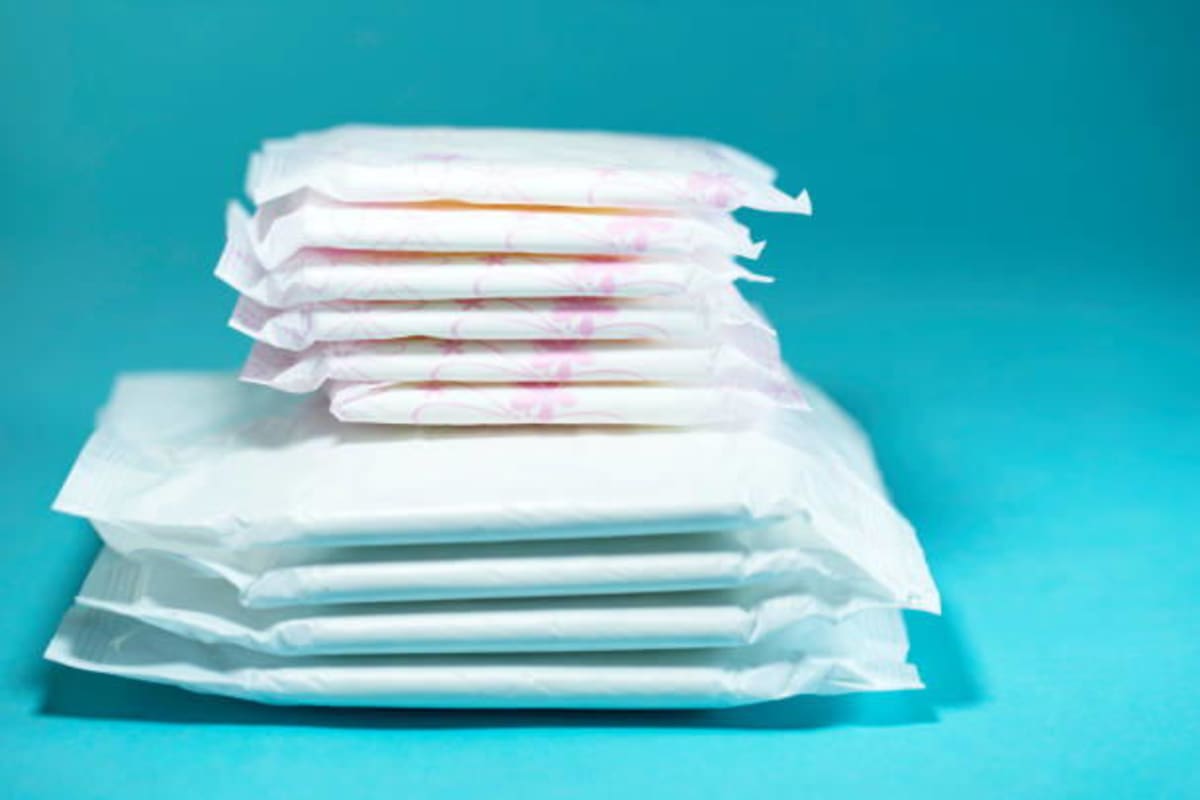
Dr. Sekinat Bola-Oyebamiji distributed 2,000 menstrual pads to students from public and private secondary schools across the town. But the donation came with something equally important: honest, judgment-free education about menstrual health.
Nurses and female educators led interactive sessions where girls could ask questions freely. They learned proper use and disposal of sanitary products, nutrition during menstruation, and when to seek medical help. Teachers described the atmosphere as refreshingly open, a rare experience for students who often face silence and stigma around puberty.
"Many girls miss school or withdraw socially because they lack pads or basic information," Dr. Oyebamiji told the students. "Today we're fixing both."
The numbers tell a familiar story across rural Nigeria. School principals confirmed that period poverty drives significant absenteeism among female students. Without access to affordable menstrual products, girls stay home during their periods, falling behind academically and socially.
Olori Janet Afolabi, a CNN award-winning journalist and Queen of Apomu Kingdom who organized the event, emphasized the lasting impact. "Two thousand pads will cover several months for many of the girls," she said. "But the education part is what will stay with the students for life."
The Ripple Effect
When girls miss school because of their periods, the consequences extend far beyond individual absences. Lost classroom time translates to lower grades, reduced confidence, and fewer opportunities. Some eventually drop out entirely.
Breaking this cycle requires both practical resources and cultural change. Events like this one address both needs simultaneously, giving girls the supplies they need while normalizing conversations about menstrual health.
The initiative joins growing efforts across Nigeria to end period poverty and keep girls in classrooms. When girls can manage their periods with dignity, they stay in school, participate fully, and build the foundation for leadership.
Removing barriers that silence young women every month isn't charity. It's investing in the next generation of leaders.
Based on reporting by Vanguard Nigeria
This story was written by BrightWire based on verified news reports.
Spread the positivity!
Share this good news with someone who needs it