Nigerian Grandmothers Lead Fight Against Gender Violence
In northern Nigeria, a new program is turning traditional family structures into a force for change by empowering grandmothers to combat gender-based violence. Research shows these family matriarchs hold more influence over household decisions than anyone else.
Grandmothers in Kano and Jigawa states are becoming unlikely heroes in the fight against gender-based violence, thanks to a program that recognizes their unique power within Nigerian families.
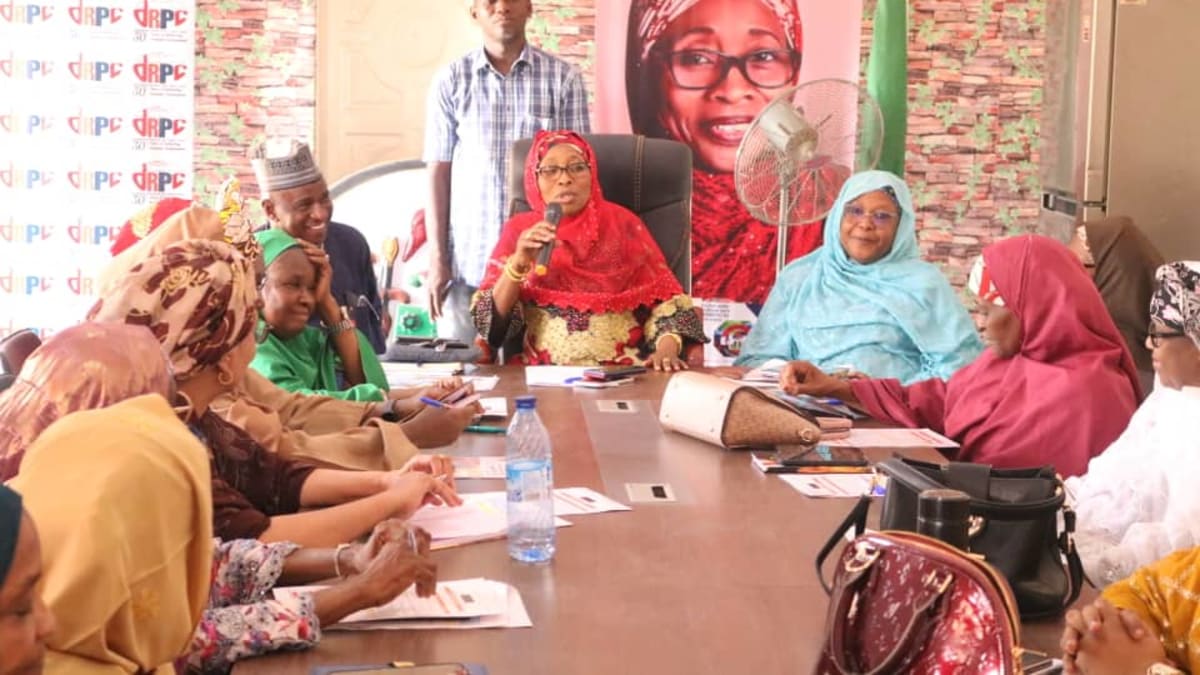
The Development Research and Projects Centre launched the Grannies Network for Change this week, recruiting grandmothers to challenge harmful practices in their communities. The program targets 10 villages across both states where women struggle with economic rights and girls face barriers to education.
The strategy stems from groundbreaking research that revealed something surprising. While men might listen to religious and community leaders outside the home, grandmothers hold the real authority inside it, serving as the primary custodians of cultural values and moral decisions.
"Within multigenerational households, grandmothers are the most influential arbiters of gender norms and practices," explained Kano's Commissioner for Women Affairs Amina Sani. Their word carries weight that can shift entire family dynamics.
The program doesn't just focus on stopping violence. It also tackles the economic pressures that fuel it, working to secure wives' economic rights and ensure daughters can attend school instead of facing early marriage.
What makes this approach revolutionary is how it works with cultural structures rather than against them. In northern Nigeria, where elders command deep respect for their wisdom, grandmothers are perfectly positioned to guide their families toward safer, more equitable practices.
The initiative includes training for village heads and local mosque leaders as male allies, creating a community-wide network for change. Executive Director Judith-Ann Walker says this combination of household influence and community leadership creates sustainable transformation.
The Ripple Effect
When grandmothers speak up for girls' education and women's economic independence, the impact extends far beyond individual families. Each household that shifts becomes a model for neighbors, creating waves of change throughout entire villages.
Jigawa State is so confident in the program's potential that officials plan to institutionalize it, ensuring it continues long after initial funding ends. The state pledged full support to help the initiative take root and grow.
By year's end, trained grandmothers in these 10 villages will be influencing decisions about school enrollment, early marriage, and women's economic participation. Their voices, already powerful, will carry messages of safety and opportunity instead of harmful traditions.
Northern Nigeria is proving that the path to gender equality doesn't require abandoning cultural structures but reimagining them with the wisdom of those who built them.
More Images



Based on reporting by Premium Times Nigeria
This story was written by BrightWire based on verified news reports.
Spread the positivity!
Share this good news with someone who needs it