Nigerian Oil Workers End Strike After Pay Talks Resume
Workers at Seplat Energy suspended their strike just one day after walking off the job, following company commitments on pay increases. The quick resolution prevents disruption to oil production that supplies 7-9% of Nigeria's output.
Oil workers in Nigeria are heading back to work after their employer agreed to negotiate seriously on pay increases, ending a strike that threatened the country's energy supply after just 24 hours.
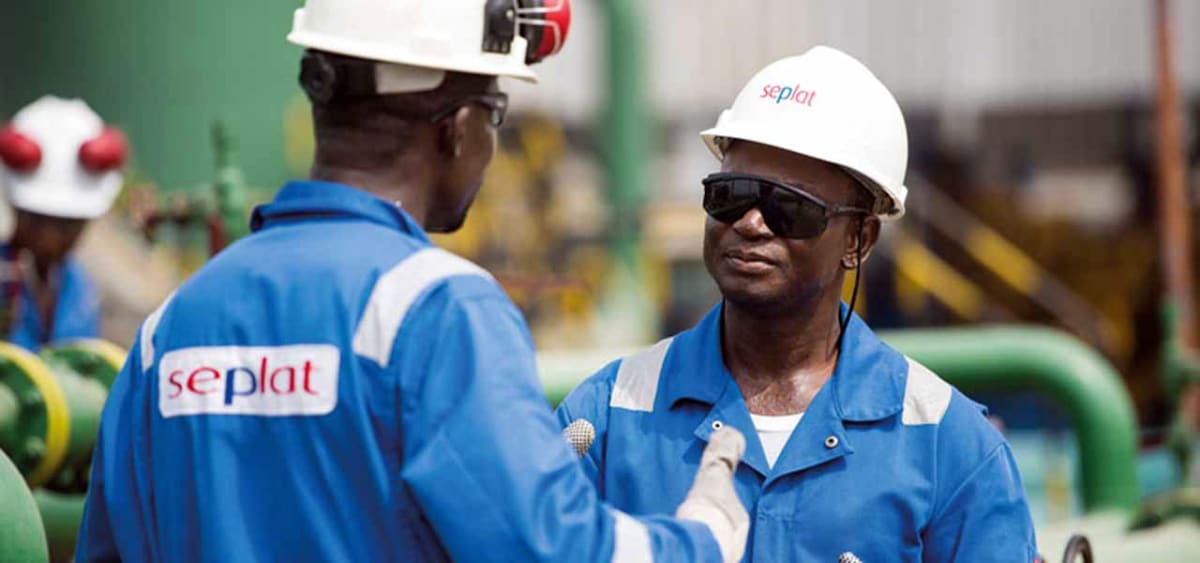
Workers at Seplat Energy, one of Nigeria's major oil and gas producers, walked off the job Friday after months of stalled talks about compensation. By Saturday, the company had put written commitments on the table, and the union called off the action.
The Petroleum and Natural Gas Senior Staff Association of Nigeria directed members to return to work immediately after receiving promises from Seplat's leadership. Both sides agreed to continue discussions on a 2026 collective bargaining agreement, with a target deadline of April 13 to settle remaining issues.
"Operations are recommencing at our various locations," confirmed Seplat spokesperson Ogechukwu Udeagha. The company produces roughly 131,500 barrels of oil equivalent daily, accounting for nearly one in every ten barrels Nigeria produces.
The quick turnaround matters beyond just one company's bottom line. Nigeria has been pushing to maximize oil production during a period of global price uncertainty, making any production loss potentially costly for the national economy.
The Bright Side
What makes this story encouraging isn't just the resolution. It's how fast it happened when both sides chose dialogue over deadlock.
The workers had legitimate reasons to push for better pay. Seplat's revenue jumped 150% last year to roughly $2.6 billion, driven by expanded operations and higher output. Production nearly tripled from the previous year as the company brought offshore facilities fully online.
Yet despite those impressive numbers, the union and management found common ground in less than 48 hours. That kind of swift problem solving protects jobs, keeps energy flowing to Nigerian homes and businesses, and shows that labor disputes don't have to drag on for weeks.
Seplat now aims to boost production to 155,000 barrels daily this year while remaining a key supplier to Nigeria's domestic power grid. The Sapele Gas Plant recently increased its processing capacity to 90 million standard cubic feet per day after upgrades.
When workers feel heard and companies act in good faith, everyone wins a little faster.
More Images



Based on reporting by Premium Times Nigeria
This story was written by BrightWire based on verified news reports.
Spread the positivity!
Share this good news with someone who needs it