Nigerian Researchers Grow Wild Mushrooms From Sawdust
Scientists in Nigeria have figured out how to farm a nutritious wild mushroom using sawdust waste, turning trash into a year-round protein source. The breakthrough could help farmers across Africa grow affordable, healthy food while tackling two problems at once.
Scientists in Nigeria just solved two problems with one solution: they turned sawdust waste into a farm for nutritious wild mushrooms.
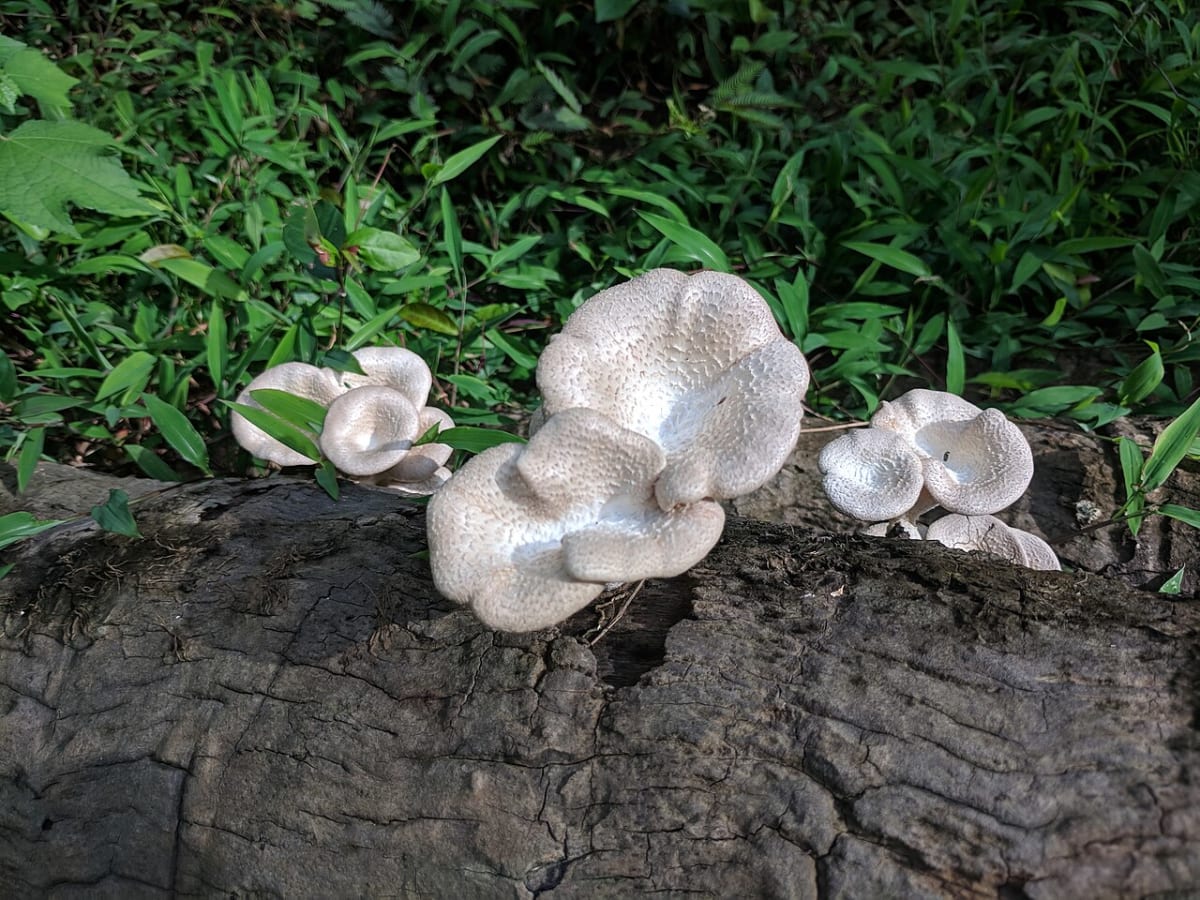
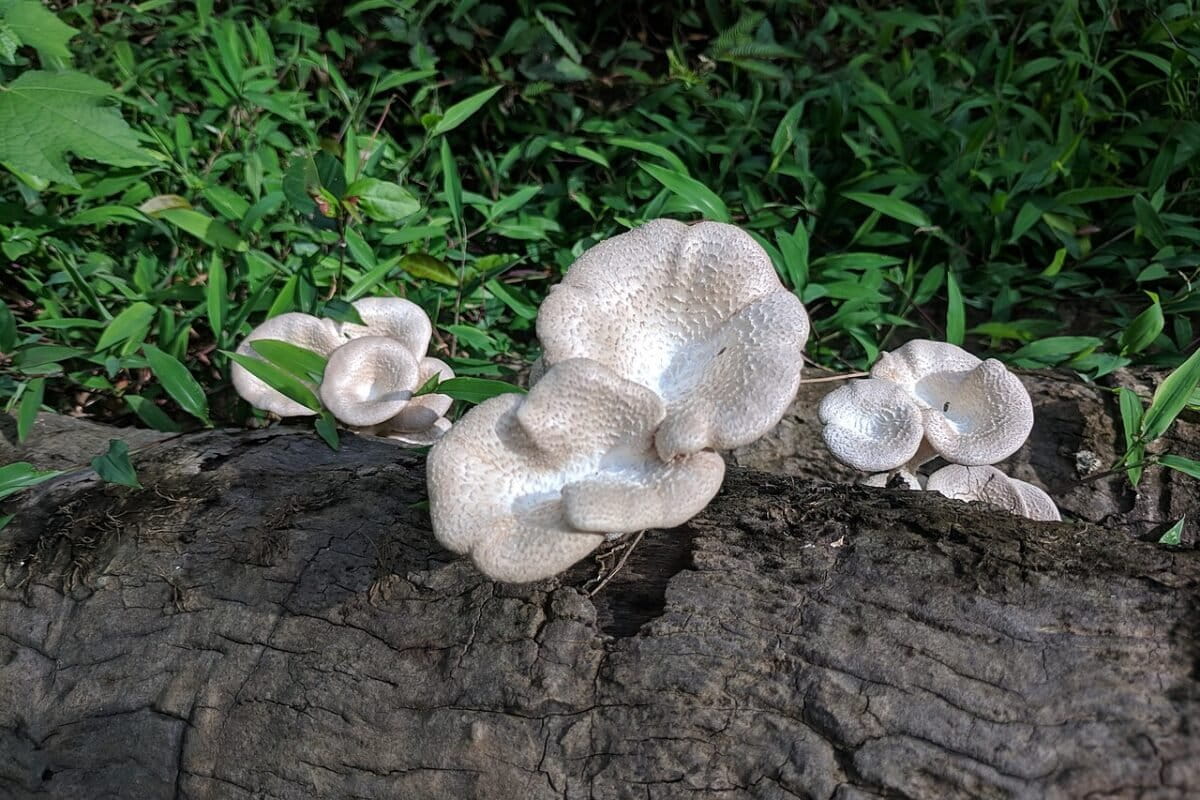
Researcher Chiemeziem Agbonma Onyeka and her team at the Federal University of Technology successfully cultivated Lentinus squarrosulus, a wild mushroom that normally grows only on rotting logs in tropical forests. This edible mushroom has both nutritional and medicinal value, but habitat loss has put it at risk in the wild.
Onyeka tested sawdust from three different trees as growing material: mango, African breadfruit, and African pear. The mushrooms thrived best on African breadfruit sawdust, followed by mango. Sawdust is already abundant as agricultural and forestry waste, making it a perfect free resource for farmers.
The timing couldn't be better. In many African regions, people only collect mushrooms from the wild during certain seasons. Most don't realize mushrooms can be farmed year-round like other crops.
If this cultivation method spreads, it could provide African farmers with an inexpensive, reliable protein source that grows on materials they'd otherwise throw away. The mushrooms need no expensive inputs, just proper training and good hygiene practices.
"Mushroom farming in Africa is still developing," Onyeka explained. She hopes her work will help launch commercial mushroom operations across Nigeria, though she knows change takes time.
The Ripple Effect
This research opens doors beyond just one mushroom species. The technique proves that scientists can take wild foods at risk from deforestation and bring them safely into cultivation. Farmers get a new income stream, communities gain nutrition, and pressure comes off wild habitats.
The approach also shows how agricultural waste can become valuable instead of polluting. Every pile of sawdust becomes potential food production space.
Onyeka's next steps focus on refining the growing process so it works consistently at commercial scales. She's working to connect with farmers, agricultural extension programs, and private companies who can help take the method from lab to market.
For anyone interested in mushroom farming, Onyeka stresses the importance of proper training first. Understanding the production process and maintaining strict cleanliness are essential for success.
One mushroom at a time, African agriculture is finding new ways to feed more people with less waste.
More Images



Based on reporting by Mongabay
This story was written by BrightWire based on verified news reports.
Spread the positivity!
Share this good news with someone who needs it