Nigerian Startup Hits $11M Revenue With Zero Investors
A Lagos service company grew 7x last year by employing 400 technicians full-time instead of playing middleman. Fixr Technologies proves you can scale with profits, not venture capital.
Ikechi Adolphus watched Nigeria's service marketplaces fail for years, and he refused to repeat their mistakes. When technicians did good work, customers cut out the platform and called them directly; when they did bad work, customers never returned.
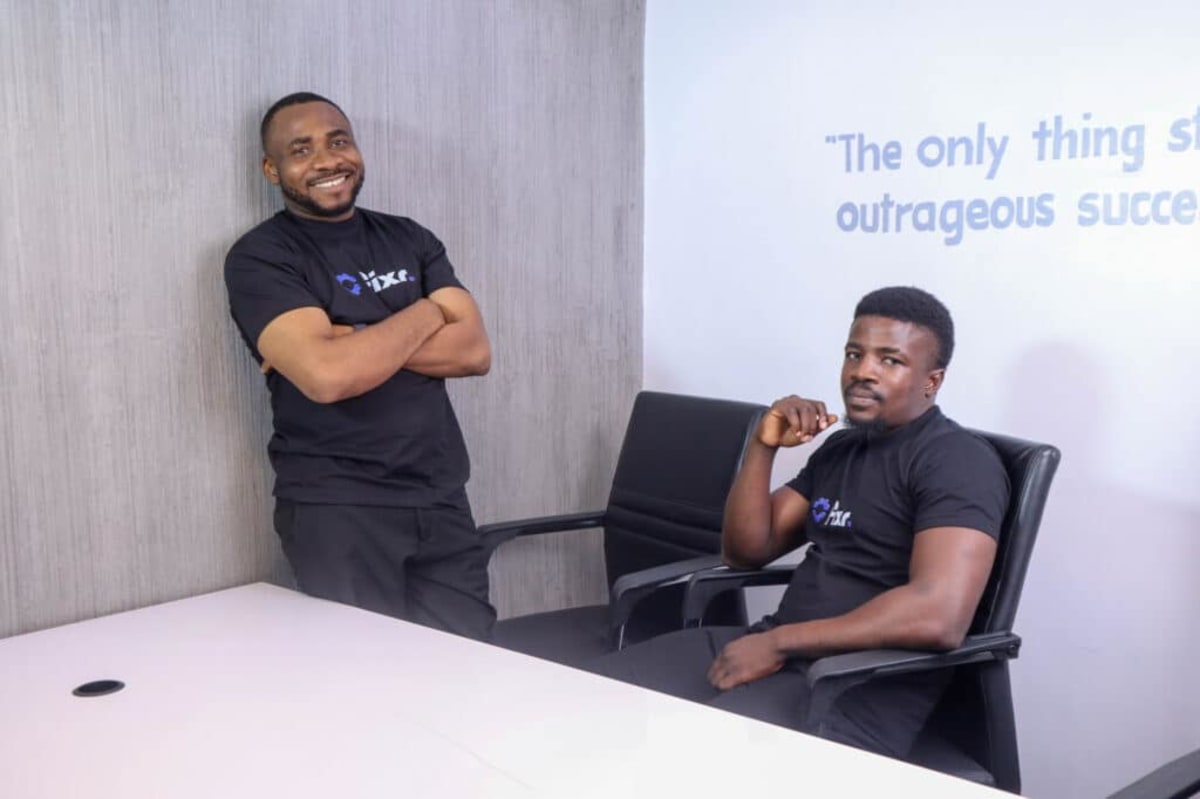
So Adolphus and co-founder Olamide Akangbe built something different. Fixr Technologies doesn't connect customers with freelance technicians. It employs 400 technicians on full salaries, controls every job from start to finish, and keeps customers coming back because they never interact with individual workers.
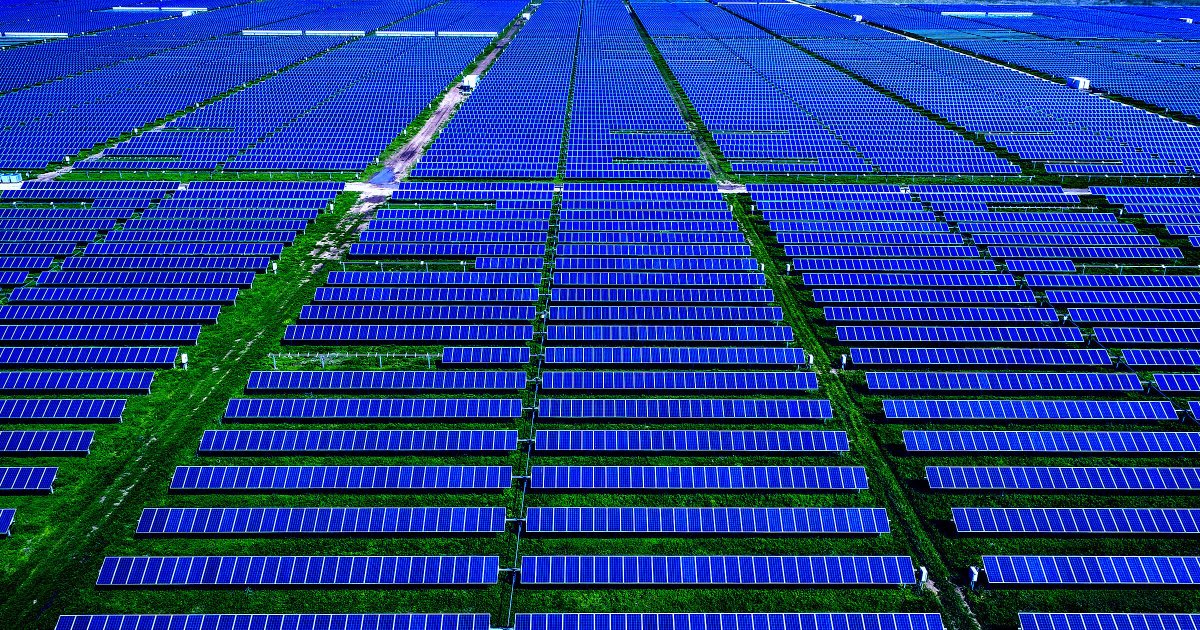
The model works. Fixr grew seven times year over year in 2024 and expects to grow ten times in 2026. The company has processed nearly $11 million through its solar financing arm alone, all without a single dollar of outside investment.
Their secret started with a broken washing machine. Akangbe came to fix Adolphus's appliance and asked for help building a website. Adolphus saw a bigger opportunity: build an efficient business first, then layer technology on top to scale.
Now Fixr operates across seven engineering categories, from air conditioning to home automation. They run five warehouses for parts, manage their own logistics, and operate in Nigeria, Ghana, and Kenya.
The solar financing product shows how they think differently. Customers who can't afford upfront costs get installations on loan through partnerships with banks and finance companies. Interest runs at 4% monthly for three to twelve months, and early payoff means customers only pay for months used.
Fixr handles post-installation support during repayment, ensuring systems keep working. This builds trust while reducing default risk on the loans.
Only 0.1% of their technicians try to work with clients directly now. Full employment creates fixed costs that venture-backed companies avoid, but it gives Fixr control over quality, scheduling, and customer relationships that marketplace models can never match.
The Ripple Effect
Fixr's success shows African startups don't need to copy Silicon Valley's playbook. While competitors chase funding rounds and burn cash building platforms, Fixr focused on sustainable unit economics and profitability from day one.
Their 400 salaried technicians have stable incomes in an economy where gig work dominates. Customers get reliable service with accountability. Finance partners originate loans backed by real assets and ongoing support.
The renewable energy financing particularly matters in Nigeria, where unreliable power forces businesses and households to find alternatives. Nearly $11 million in solar installations means thousands of homes and businesses now have backup power, facilitated by credit that makes it affordable.
Adolphus still doesn't want anyone calling Fixr a marketplace or even a typical startup. He built a profitable engineering services company that happens to use technology brilliantly. Sometimes the most innovative approach is just doing business right.
Based on reporting by Techpoint Africa
This story was written by BrightWire based on verified news reports.
Spread the positivity!
Share this good news with someone who needs it