Nigerian Startup Pays People to Recycle Their Trash
In Nigeria's waste-choked cities, one company is turning the problem upside down by paying people cash for their recyclables. Ecobarter has collected over one million kilograms of waste since 2018 and now serves 13,000 users across four major cities.
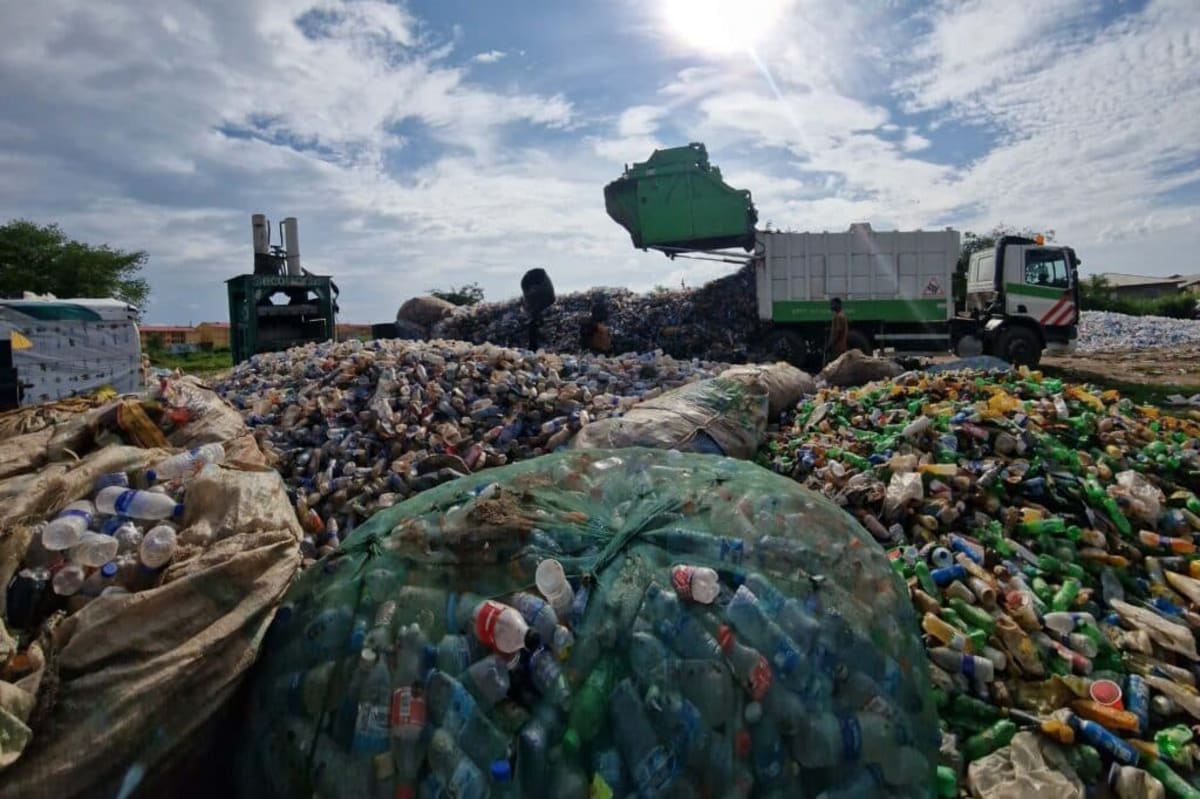
Nigeria generates 30 million tonnes of waste every year, and most of it sits uncollected for weeks in streets and clogged drains. But Rita Idehai saw something different when she looked at those plastic bottles and aluminum cans lining Lagos roads.
She saw income waiting to happen.
In 2018, Idehai started Ecobarter after searching unsuccessfully for someone to recycle items from her own home. Her solution was radical: instead of charging people to haul away trash like government services do, she would pay them.
The model is simple. Households and businesses separate their recyclables like plastic, aluminum, and paper. Collectors arrive twice monthly, weigh everything on the spot, and deposit cash directly into user accounts through a mobile app.
People can withdraw the money or use it to pay for electricity and phone credit. By putting a price tag on waste, Ecobarter transforms what people once tossed into gutters into something worth protecting.
The early days were scrappy. Between 2018 and 2021, Idehai relied on phone calls, Google forms, and door-to-door conversations to sign up neighbors. Scheduling pickups meant juggling dozens of informal agreements, and payments happened however they could.
But as word spread, the manual system couldn't keep up. In 2021, Ecobarter launched a mobile app that turned chaos into consistency. Users now book pickups, track their collections, and watch their earnings add up in real time.
The company expanded to organic waste in 2025, collecting food scraps weekly and channeling them into a biogas plant in Abuja. Nothing goes to landfills if Ecobarter can help it.
Today, the startup serves over 3,600 households across Lagos, Abuja, Port Harcourt, and Ibadan. They collect between 250,000 and 400,000 kilograms of waste annually, and they've processed more than one million kilograms total since launch.
Ecobarter built its network smartly. In dense neighborhoods, the company employs its own collectors for quality control. In other areas, it partners with existing informal waste collectors, giving them digital tools they would never build themselves.
The company even works with small businesses that have nothing to do with trash collection. Their physical spaces become drop-off points where users scan QR codes to complete transactions.
The Ripple Effect
Beyond cleaner streets, Ecobarter is changing how Nigerians think about waste. When people see value in their discarded bottles and containers, they stop treating gutters like garbage bins. They store recyclables carefully, separate organic waste, and wait for pickup days like they're getting a paycheck.
Because they are.
The company recycles some materials in-house to create new products, while selling the rest to third-party manufacturers. Every kilogram collected is one less choking a drain or burning in an open dump.
In cities where waste collection is unpredictable at best, Ecobarter has introduced something revolutionary: the expectation that trash pickup should actually happen on schedule. And that doing the right thing for the environment should come with a reward, not a bill.
One app and 13,000 users later, Nigeria's waste problem is starting to look like an opportunity nobody wanted to miss.
Based on reporting by Techpoint Africa
This story was written by BrightWire based on verified news reports.
Spread the positivity!
Share this good news with someone who needs it