Nigerian Startup Translates Sign Language in 100 Milliseconds
A new AI tool converts American Sign Language into speech and text almost instantly, opening doors for 70 million people worldwide who use sign language as their primary way to communicate. The technology works both ways, turning spoken words into sign language videos too.
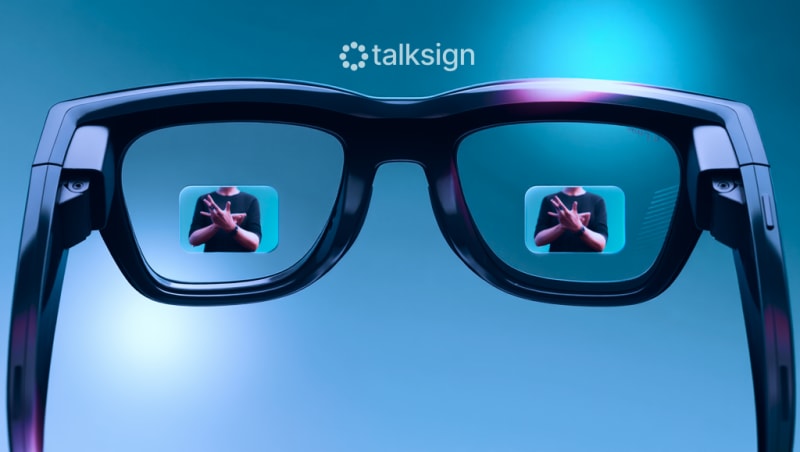
For 70 million people who use sign language daily, a simple video call or ordering coffee can feel impossible. A new AI tool from Talksign is changing that, translating American Sign Language into speech and text in under 100 milliseconds.
The Nigeria and UK-based startup launched Talksign-1 this week, their first foundation model for sign language understanding. Using just a standard webcam, the system recognizes 250 ASL signs and works in both directions, converting sign language to speech and transforming spoken or typed words into sign language video sequences.
Founder Edidiong Ekong's passion for this work started at age nine in Nigeria. He grew up with three deaf friends and realized he was being left out of their world, not the other way around. He learned ASL to join their conversations and spent the next 10 years teaching sign language to hearing people.
The technology captures hand, body and face movements through a webcam, analyzing about one second of signing before making predictions. In testing, the model achieved 84.7% accuracy on single signs.
Over 430 million people worldwide are deaf, yet most digital tools still assume everyone can speak and hear. This creates barriers to jobs, education and everyday participation in society.
The Ripple Effect
The applications reach far beyond casual conversations. Schools could use the tool to help deaf students participate more fully in class. Healthcare providers could communicate directly with deaf patients without waiting for interpreters. Public spaces could make transport announcements, emergency alerts and news broadcasts accessible to everyone.
Talksign partnered with deaf educators, native ASL signers and accessibility advocates throughout development. The company processes data on users' devices first, sending only analyzed data points to their servers, not raw video footage.
The team acknowledges current limitations. The system doesn't yet support continuous sentence-level interpretation or fingerspelling, meaning it works best with isolated signs rather than full conversations. They caution against using it as the sole communication method in medical, legal or safety-critical situations without human oversight.
"We believe AI should augment, not replace human interpreters," Ekong said. "Accessibility is a human right, not a feature."
The company is already working on expanding beyond ASL to include British Sign Language, French Sign Language and other languages. Future versions will support larger vocabularies and recognize continuous signing and fingerspelling.
For millions who navigate a world designed for hearing people, this technology represents a step toward genuine inclusion in digital spaces and everyday life.
Based on reporting by TechCabal
This story was written by BrightWire based on verified news reports.
Spread the positivity!
Share this good news with someone who needs it