Nigerian State Breaks Free from National Grid Blackouts
While Nigeria's power grid collapsed twice in four days, Abia State kept the lights on. Governor Alex Otti is building energy independence through biogas plants and taking full control of the state's electricity system.
While most of Nigeria sat in darkness during the latest national grid collapse, one state kept the lights on and is showing the rest of the country a new path forward.
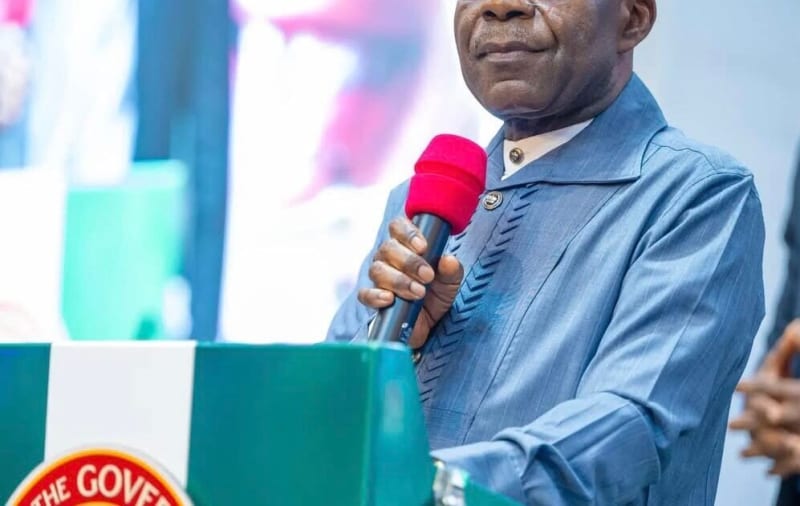
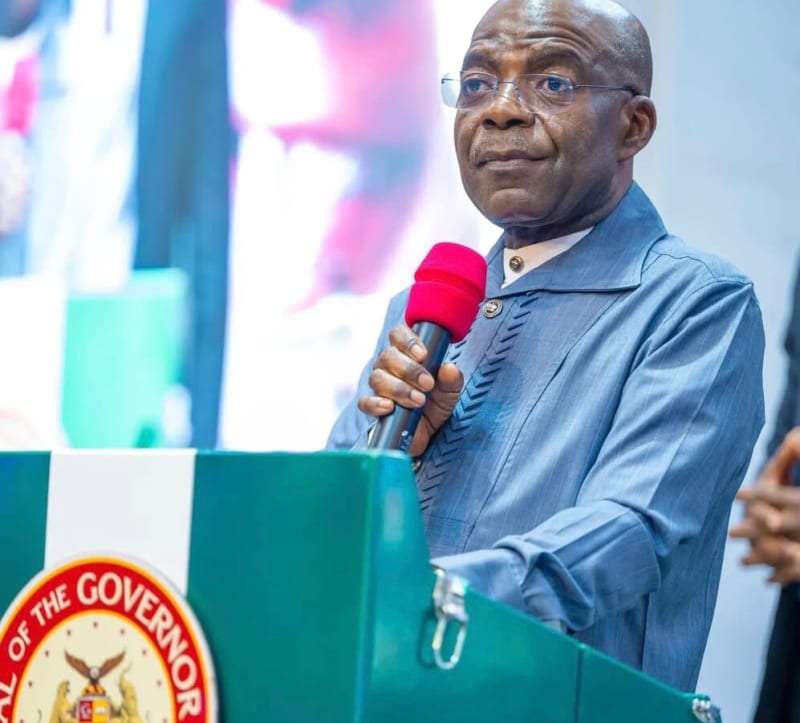
Abia State has effectively disconnected itself from Nigeria's unreliable national power system. Governor Alex Otti announced Thursday that the state is now protected from the nationwide blackouts that have plagued Africa's most populous nation.
The strategy centers on renewable energy and local control. At Michael Okpara University of Agriculture in Umudike, a pilot biogas program is converting organic waste into clean electricity. Instead of throwing away food scraps and agricultural waste, the technology transforms it into power for homes and businesses across the Umuahia region.
"We can turn waste into clean energy and power a whole lot more places," Otti explained during his address at the government house. The pilot program aims to prove that renewable energy can provide reliable, locally controlled power where the national grid has repeatedly failed.
The state took an even bigger step on December 24, when the Abia State Electricity Regulation Authority officially took over power regulation from the national commission. Abia now controls its own electricity generation, distribution, and transmission, making it the first Nigerian state to achieve this level of energy independence.
Otti revealed that the state has successfully negotiated to purchase power assets from the Enugu Electricity Distribution Company. Once the acquisition is complete, Abia will own the infrastructure that delivers electricity to its residents, similar to the successful Aba Power model already serving the Aba ring-fence area.
The timing couldn't be more relevant. Nigeria's national grid collapsed again on Tuesday, marking the second failure in just four days and leaving millions without power across the country.
The Ripple Effect
Abia's success is already inspiring other Nigerian states to explore similar paths. By proving that local control and renewable energy can deliver reliable power, the state is creating a blueprint for energy independence across Africa's largest economy.
The biogas program also addresses environmental concerns by reducing waste while creating clean energy. What was once garbage destined for landfills now powers universities, homes, and businesses.
Other states are watching closely as Abia demonstrates that communities don't have to accept unreliable power as inevitable. When national systems fail, local innovation can light the way forward.
One Nigerian state has proven that constant blackouts aren't the only option, and that path to energy independence starts with taking control at home.
More Images


Based on reporting by Punch Nigeria
This story was written by BrightWire based on verified news reports.
Spread the positivity!
Share this good news with someone who needs it