Nigerian Students Win National Finals, Head to World Cup
Two Nigerian universities have won the country's top student innovation competition with solutions tackling agricultural pests, food waste, and construction safety. Their inventions will now compete against 35 countries at the Enactus World Cup in Brazil.
Students from two Nigerian universities are heading to Brazil to showcase homegrown solutions that could transform agriculture and construction across Africa.
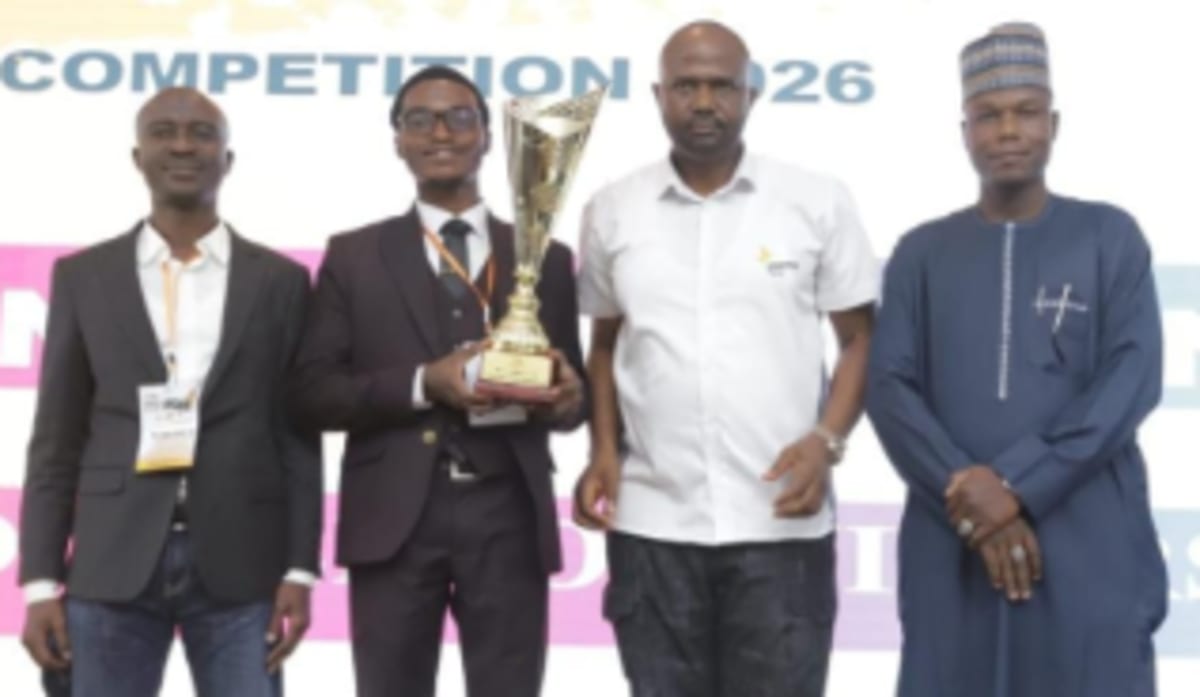
The Federal University of Technology Owerri and Ahmadu Bello University Zaria won the 2026 Enactus Nigeria National Competition, beating 35 other schools with innovations that solve real problems facing Nigerian communities. The victories earned them spots at the Enactus World Cup later this year.
FUTO claimed two prizes with standout projects. Their biofuel initiative won the Early Stage Final, while ALTAR, a robot that detects structural failures in buildings before they become dangerous, took the Julius Berger Innovation Challenge.
ABU's winning projects target a problem that costs Nigerian farmers millions each year. NeemPest is a certified biopesticide that kills destructive Tuta absoluta pests within 48 hours, protecting tomato crops naturally. Their second innovation, TomPa, turns surplus tomatoes into powder and puree, preventing waste and creating new income streams for farmers.
The competition brought together students from 33 universities who spent over a year identifying community challenges and building business solutions. Judges evaluated each project on real-world impact, including scalability, profitability, and sustainability.
"These projects went beyond an academic exercise," said Michael Ajayi, Country Director of Enactus Nigeria. "We're preparing Nigerian youth to become resourceful, purposeful leaders capable of driving change."
The Ripple Effect
These student innovations address problems that ripple far beyond individual farms or construction sites. Nigeria loses significant agricultural production to pests and post-harvest waste each year, driving up food prices and reducing farmer income. Meanwhile, building collapses remain a persistent safety concern.
The solutions developed by FUTO and ABU students offer practical, scalable answers that could protect livelihoods and save lives. When students apply classroom knowledge to real community needs, they create change that extends from local markets to national impact.
Casey Bonfield from the US Consulate General praised the program for turning theory into practice. "The future belongs to those willing to imagine what is possible and then build it," he said at the finals.
Julius Berger partnered with the competition specifically to encourage fresh thinking in construction. Shakira Mustapha, the company's Risk and Sustainability Officer, emphasized that real change in the industry requires environmentally sustainable ideas from new voices.
Nigeria's young innovators are proving they can compete globally when given the platform and support to develop their ideas.
Based on reporting by Vanguard Nigeria
This story was written by BrightWire based on verified news reports.
Spread the positivity!
Share this good news with someone who needs it