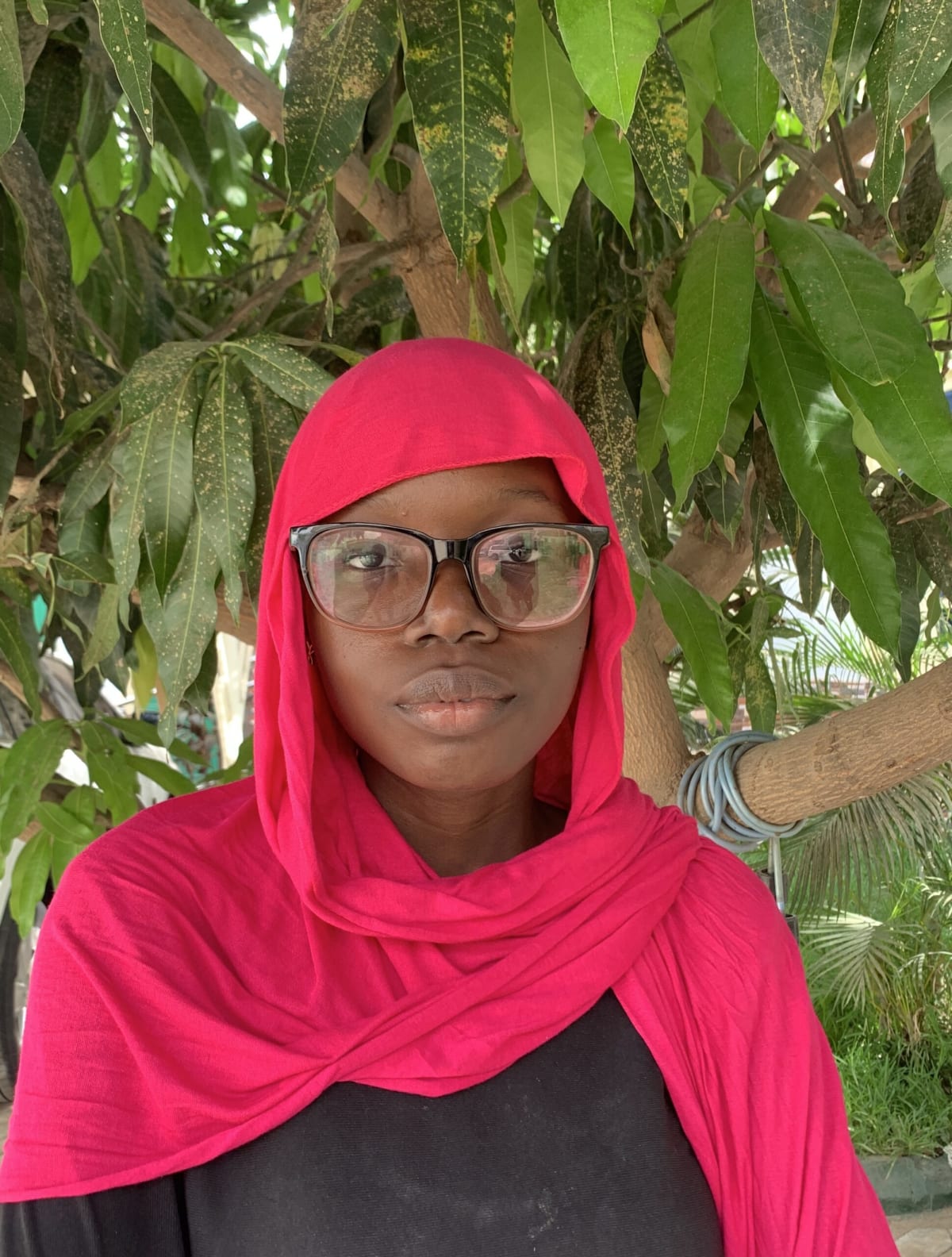
Nigerian Teen Turns Farm Waste Into Eco-Friendly Pads
A 15-year-old from Nigeria is transforming cassava peels and corn husks into biodegradable sanitary pads, solving two problems at once. Her innovation tackles both period poverty and plastic pollution across Africa.
Raheema Auwal-Panti learned that traditional sanitary pads contain up to 90% plastic and can take hundreds of years to decompose. The 15-year-old from Minna, Nigeria, decided she wouldn't wait for someone else to fix the problem.
She founded PantiPads in 2025, creating biodegradable sanitary pads from low-grade agricultural waste like cassava peels, banana leaves, and corn husks. For many Nigerian women, accessing affordable period products remains a daily struggle, and those who can afford them face another issue: mountains of plastic waste that never breaks down.
Auwal-Panti saw a chance to help both women and the planet. "Even if no one does something about it, I could do something about it," she said.
In northern Nigeria, cassava processing creates significant waste that threatens soil quality and water bodies. By repurposing these materials, Auwal-Panti turns an environmental hazard into a safe, sustainable product for one of the most sensitive parts of the human body.
Her innovation caught global attention. PantiPads was selected as one of 35 teams shortlisted for the 2026 Earth Prize, organized by Switzerland's Earth Foundation to empower young environmental leaders.
The Ripple Effect
Beyond solving plastic pollution, PantiPads addresses menstrual stigma that keeps girls out of school across Africa. Safe, affordable period products mean girls can attend class every day of the month, transforming their educational opportunities and long-term prospects.
Auwal-Panti isn't rushing into mass production. She's currently building relationships with existing manufacturers, learning the production system, and understanding operational requirements before expanding into her own facility.
The business is now working to bring products directly to consumers with support from the local business community. It's part of a broader campaign to show people that biodegradable pads offer a genuine alternative to conventional options.
Auwal-Panti believes African governments have a key role to play by creating policy shifts that favor biodegradable sanitary products over plastic ones. Her work proves that young people aren't just the future of environmental solutions; they're leading them right now.
Sometimes the best innovations come from simply paying attention to the problems around you and refusing to look away.
More Images



Based on reporting by Mongabay
This story was written by BrightWire based on verified news reports.
Spread the positivity!
Share this good news with someone who needs it