Nigerian Woman Born Without Fingerprints Finds Her Tribe
A Nigerian woman who thought she was alone with a rare fingerprint condition discovered nearly 100 others facing the same challenge after sharing her story online. Her experience is helping build awareness and community around adermatoglyphia.
When Jidds walked into her first JAMB exam registration in 2017, she had no idea why the biometric scanner kept failing to read her fingers.
Eight hours, 200 other students, and several desperate attempts with sand, chalk, and even watermelon later, officials finally got her registered. That's when she learned she was born with adermatoglyphia, a rare condition that leaves people with absent or barely visible fingerprints.
The discovery marked the beginning of a frustrating journey through Nigeria's biometric-dependent systems. Jidds found herself stuck at exam centers when scanners would let her in but not out. Banking became an anxiety-inducing experience. During her National Youth Service Corps program, she had to use her foot instead because even her toe ridges were too faint to register consistently.
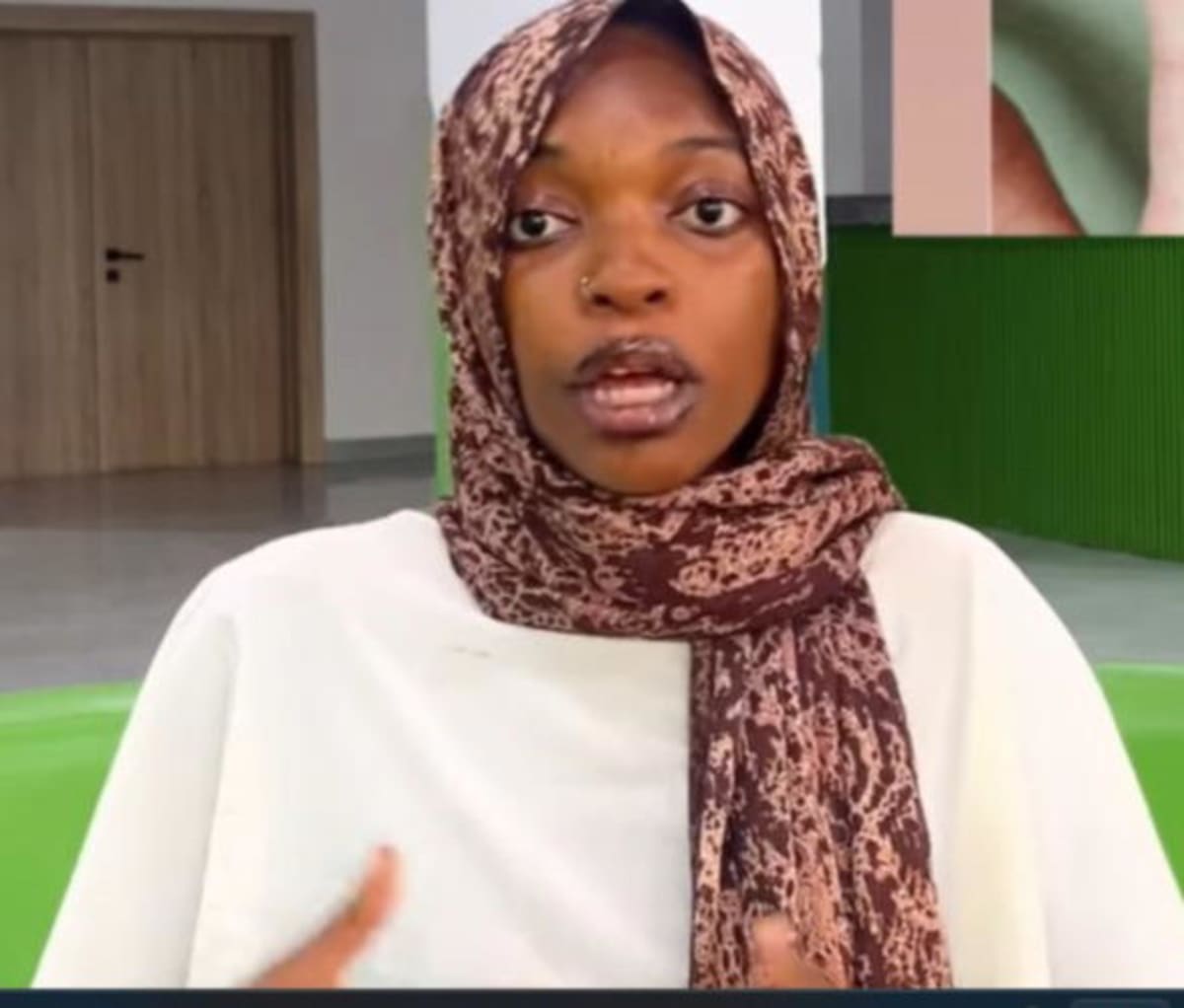
"Living in Nigeria without fingerprints has been terrible, honestly," she shared in an Instagram video. The woman known online as J for Jidds described years of watching others breeze through processes that left her stuck for hours.
For years, she believed she was completely alone with this condition in Nigeria. The isolation added weight to the daily frustrations of navigating a world designed for fingerprints she didn't have.
Sunny's Take
Then something beautiful happened. Jidds made a lighthearted joke about her condition on Instagram, and her inbox exploded with messages from nearly 100 people across Nigeria experiencing the exact same thing.
What started as one woman's struggle became a discovery that transformed her understanding of her condition. The outpouring revealed a hidden community of Nigerians who had been quietly managing the same challenges, each thinking they were rare exceptions.
Her openness didn't just find community. It's now raising awareness about adermatoglyphia and the real barriers people with the condition face in countries increasingly dependent on biometric technology.
Jidds' story highlights a growing need for alternative verification systems that don't leave people behind. While fingerprint technology offers convenience and security for most, her experience shows how default systems can create unexpected exclusion.
The nearly 100 responses to her post suggest this affects far more Nigerians than most would guess. By speaking up, Jidds has given voice to others who spent years navigating these systems in frustrated silence.
Her journey from isolation to connection proves that sharing our struggles can unlock solutions we never knew existed.
Based on reporting by Vanguard Nigeria
This story was written by BrightWire based on verified news reports.
Spread the positivity!
Share this good news with someone who needs it