Nigerian Women Return to School After 13 Years Away
In northern Nigeria, mothers who dropped out years ago are getting a second chance at education through special centers that offer free classes. Despite juggling childcare and household duties, these women are finally learning to help their children with homework and pursue career dreams.
When seven-year-old Muhammad came home with homework, his mother Habiba Abubakar felt a familiar pang of shame. For years, she had to send her son to a neighbor for help because she couldn't read the assignments herself.
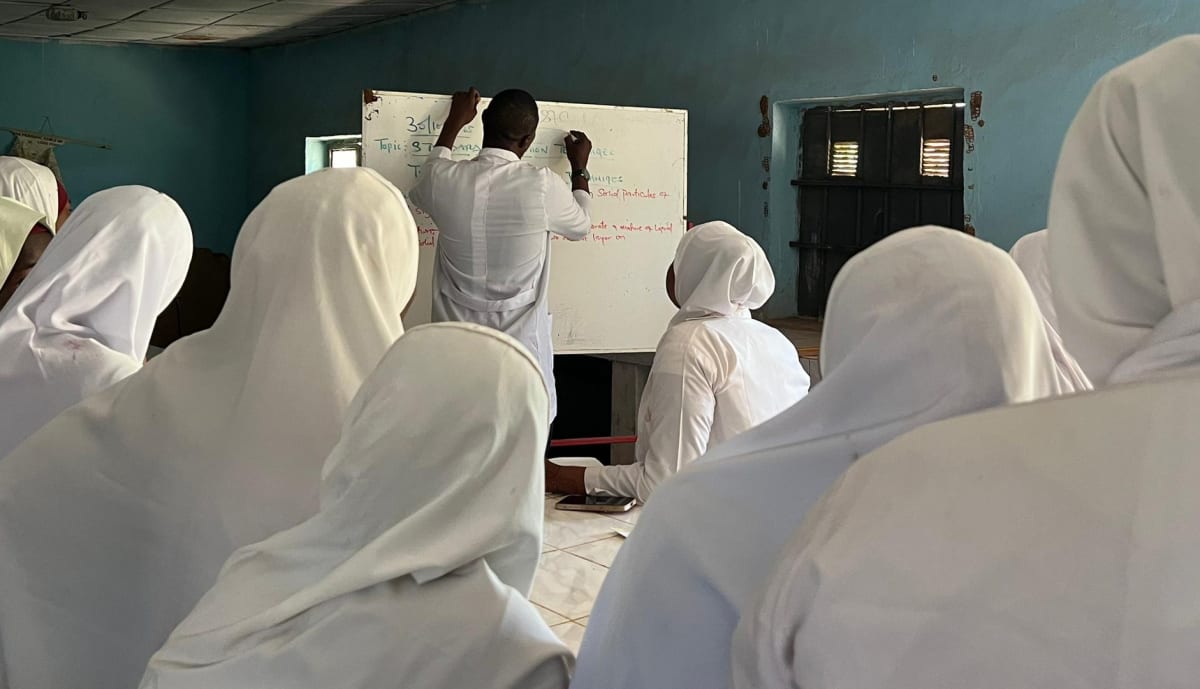
That changed in 2021 when Abubakar enrolled in the Women Centre for Continuing Education in Sokoto State, northwest Nigeria. At 28, she returned to the classroom 13 years after dropping out.
Now a mother of four, Abubakar helps all her children with their schoolwork. She's one of thousands of women across northern Nigeria reclaiming their education through centers designed specifically for adults who left school early.
The interruption isn't unusual in this region. More than half of girls in northern Nigeria don't attend school, often pulled out for early marriage or because families can only afford to educate their sons.
The Sokoto center, founded in 1997, compresses six years of primary education into three. Students also complete junior and senior secondary levels before taking the same exams as traditional students.
The state government covers tuition costs, removing one major barrier. Physics teacher Nuraddeen Ladan Dogon Daji says many graduates now work as teachers and nurses, filling critical gaps in Nigeria's workforce.
But free classes don't solve everything. Students still pay for transport, books, and daily expenses while managing homes and children.
Fatima Attahir, who dreams of becoming a nurse, helps with her family's trading business between classes. She left school after primary education 12 years ago and had to start completely over.
Before her divorce, Abubakar woke before dawn to cook breakfast, clean, and prepare her children for school. By the time she reached class, exhaustion made it hard to focus.
The Ripple Effect
The impact extends beyond individual women. When mothers learn, their children benefit immediately from homework help and seeing education valued at home.
The graduates also address workforce shortages in teaching and nursing, professions desperate for qualified workers. Each woman who completes the program potentially influences dozens or hundreds of lives through her future career.
Jennifer Agbaji, who leads a nonprofit focused on women's rights, calls the centers a necessary intervention. She believes future programs should include remote learning options for women facing mobility or security challenges.
For now, women like Abubakar prove that it's never too late to return to the classroom, even when the path means balancing books with babies and dreams with daily survival.
Based on reporting by Al Jazeera English
This story was written by BrightWire based on verified news reports.
Spread the positivity!
Share this good news with someone who needs it