Nigeria's 2001 Auction Built a Tech Revolution from Scratch
When Nigeria had just 400,000 phone lines for 120 million people, a transparent auction changed everything. Three companies paid $285 million each to build what the government couldn't.
In 2000, Nigeria faced a crisis most people today can't imagine: 10 million people waiting up to two years just to get a phone line installed.
For forty years after independence, the state-run telephone monopoly had managed to add only 10,000 new lines annually. Businesses couldn't reach customers, and anyone making an international call had to physically travel to a special call center in Lagos.
President Olusegun Obasanjo knew the government had failed. Five months into his 1999 presidency, he published a bold plan to let private companies do what the state could not: build a modern telecom network for Africa's most populous nation.
The real challenge wasn't just opening the market. Nigeria had a reputation for opaque government deals, and an earlier attempt to award licenses in 2000 collapsed under corruption concerns.
So the government chose a different path: a completely transparent auction. They hired international consultants, set clear rules, and required $20 million deposits from serious bidders only.
The Ripple Effect
On January 19, 2001, five companies gathered at the Transcorp Hilton Hotel in Abuja for what became Africa's first ascending clock spectrum auction. Even as some government officials tried disrupting the process at the last minute, Vice President Atiku Abubakar and telecommunications leaders kept it on track.
Three winners emerged: MTN Nigeria, Econet Wireless, and Communications Investment Limited. Each paid $285 million for the privilege of building Nigeria's mobile future, with just 90 days to launch commercial service.
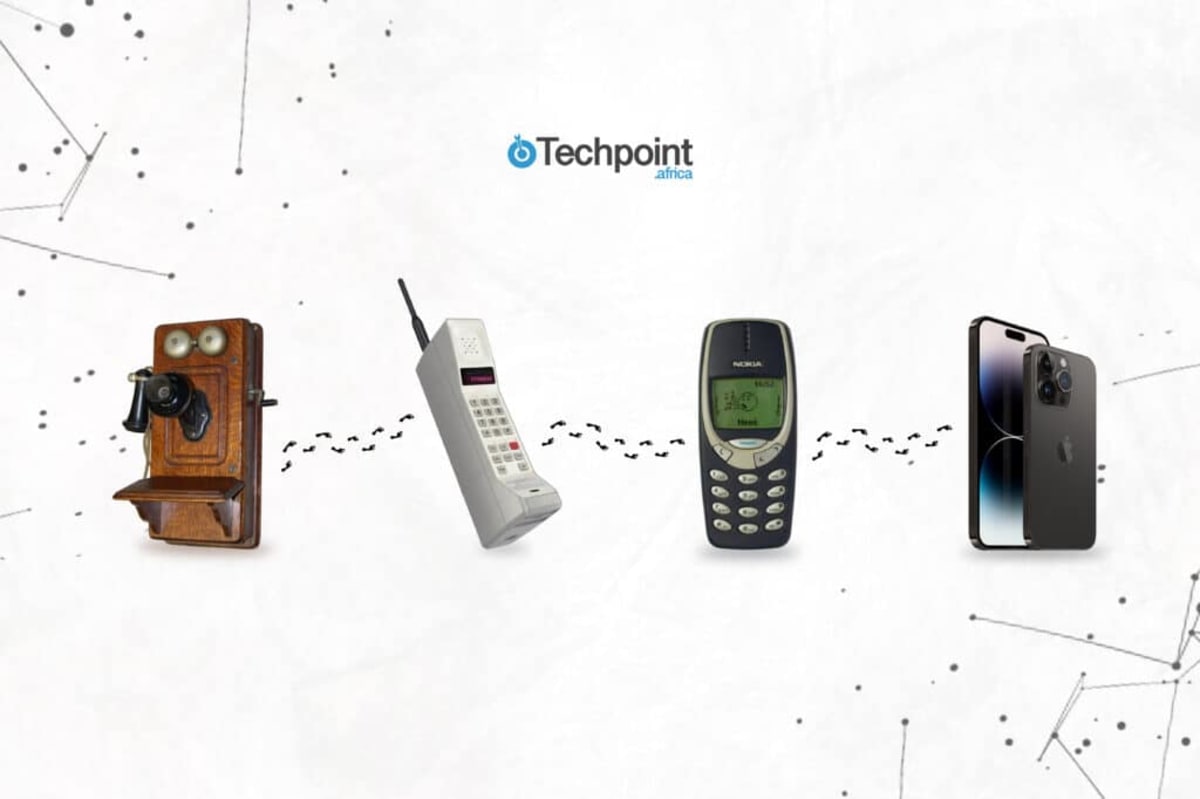
The transformation happened fast. Within two years, Nigeria surpassed its goal of 1.2 million mobile lines. Today, the country has over 200 million mobile connections, and that transparent auction laid the foundation for West Africa's largest digital economy.
The auction proved something powerful: when governments choose transparency over backroom deals, entire nations can leapfrog decades of development. Nigeria went from virtually no connectivity to a thriving tech ecosystem because leaders chose to do things differently.
That single day in 2001 didn't just bring phones to millions of Niggerians; it built the infrastructure that now supports fintech, e-commerce, and digital innovation across the region.
More Images

Based on reporting by Techpoint Africa
This story was written by BrightWire based on verified news reports.
Spread the positivity!
Share this good news with someone who needs it