Nigeria's 400,000-Sample Biobank Transforms Disease Research
Nigeria's medical research institute has unveiled a biobank containing over 400,000 biological samples that could revolutionize how the country understands and treats diseases. The massive collection offers locally generated data that researchers say will lead to better health outcomes for millions of Africans.
Scientists in Nigeria just opened the doors to one of Africa's most ambitious disease research projects, and it's already changing how doctors understand illness on the continent.
The Nigerian Institute of Medical Research in Lagos has built a biobank housing over 400,000 biological samples collected through years of research and partnerships. This treasure trove of locally generated data gives scientists something they've never had before: detailed information about how diseases affect Nigerian populations specifically.
Professor John Oladapo Obafunwa, the institute's Director-General, explained that this matters because diseases don't affect everyone the same way. Environment, genetics, and local factors all play a role in how illnesses develop and respond to treatment.
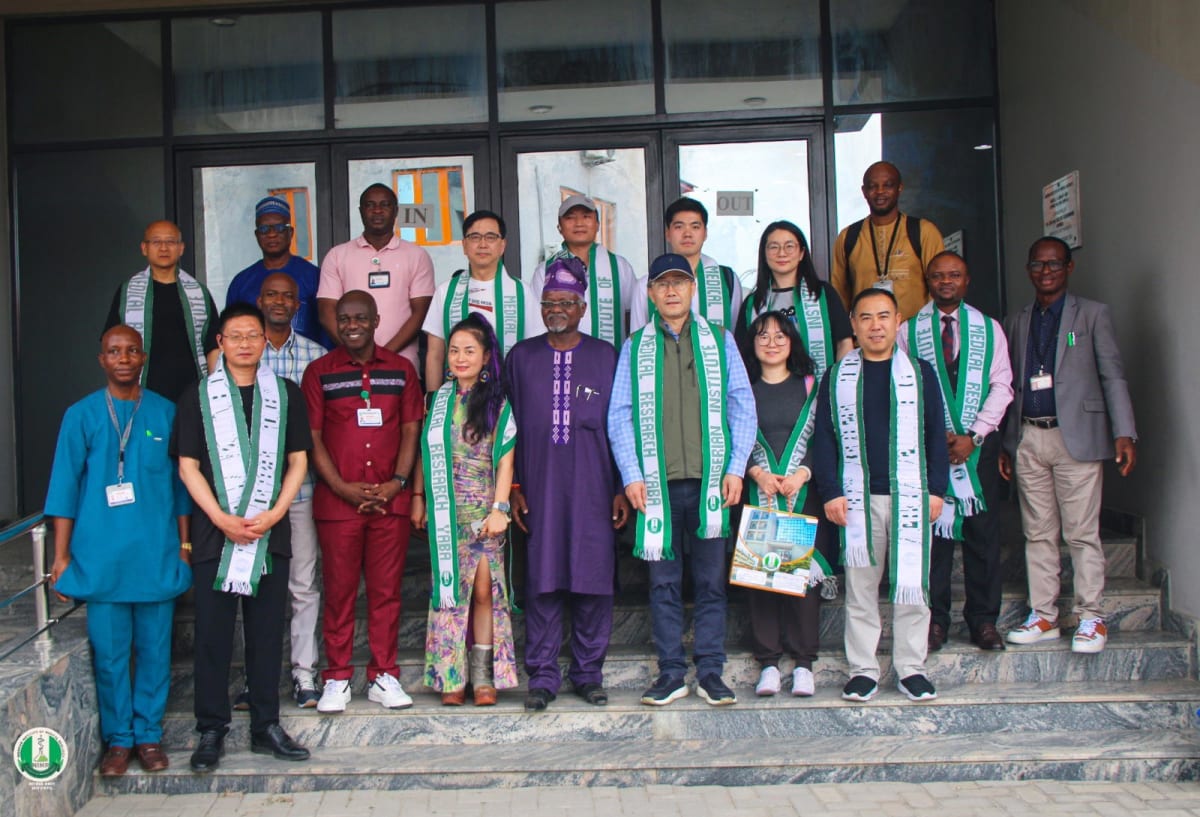
"If properly harnessed, the biobank will provide environment-specific data that can deepen our understanding of disease patterns and improve treatment outcomes," Obafunwa told a visiting Chinese scientific delegation.
The institute already proved its value during the COVID-19 pandemic, when it played a frontline role in testing and supporting Nigeria's national response. Now researchers are using the biobank for diagnostic kit development and clinical trials, all overseen by an ethics board to protect patient privacy.
The facility represents a major shift for Nigerian medical research. Instead of relying on studies from other countries with different populations, doctors can now make decisions based on data from their own communities.
The Ripple Effect
The biobank's impact reaches far beyond Nigeria's borders. As one of the largest biological sample collections in Africa, it provides insights that could help researchers across the continent develop better treatments for diseases that disproportionately affect African populations.
The partnership with Chinese scientists points to growing collaboration opportunities. Both teams are exploring joint research projects focused on technology transfer and building local expertise, particularly in advanced areas like human genome sequencing.
Currently, Nigerian researchers often must send samples to foreign facilities for complex analysis, which slows progress and increases costs. Building that capability locally would accelerate discoveries and create solutions tailored to African populations.
Obafunwa acknowledged the institute still needs improvements in infrastructure, data management systems, and analytical tools to unlock the biobank's full potential. The facility also needs a fully centralized research complex and faster funding processes for laboratory expansion.
But the foundation is solid, and the vision is clear: Nigerian scientists generating Nigerian solutions for Nigerian health challenges, with benefits that ripple outward to help researchers and patients worldwide.
The biobank stands ready to transform how millions of people receive medical care, one locally informed discovery at a time.
Based on reporting by Vanguard Nigeria
This story was written by BrightWire based on verified news reports.
Spread the positivity!
Share this good news with someone who needs it