Nigeria's Anti-Corruption Agency Fires 40 Staff for Graft
The agency trusted to fight corruption in Nigeria just proved it holds its own people to the same standards. Over 40 staff members were dismissed in three years for the very crimes they were hired to prevent.
Nigeria's Economic and Financial Crimes Commission (EFCC) just sent a powerful message that nobody gets a free pass when it comes to corruption.
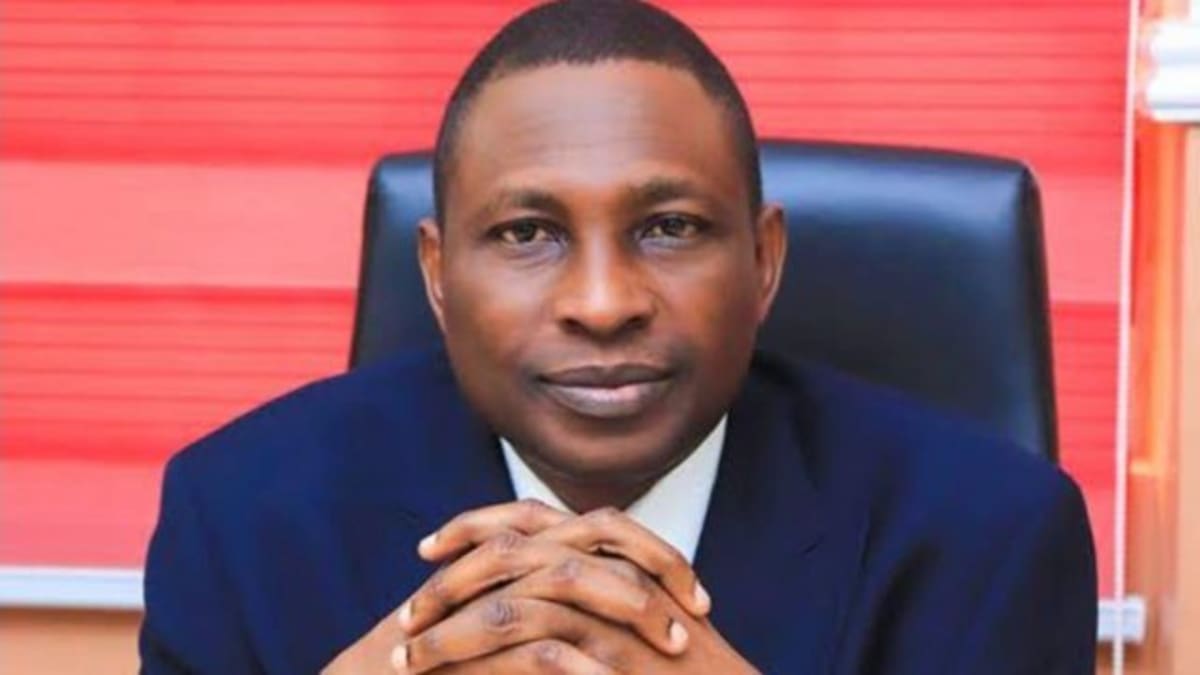
Chairman Ola Olukoyede announced that more than 40 staff members have been fired for corruption and financial malpractice over the past three years. Five employees are currently facing criminal prosecution in court.
The dismissals happened at the agency responsible for investigating financial crimes across Nigeria. Instead of sweeping internal problems under the rug, leadership chose transparency and accountability.
"You can't be fighting corruption when your hands are soiled with corrupt practices," Olukoyede said during a media session in Abuja marking his three years leading the commission.
The chairman explained that dismissed staff members face the same treatment as any other Nigerian caught breaking the law. Some are already in court, while prosecutors are preparing cases against others.
The commission didn't stop at firing corrupt employees. It renamed its Internal Affairs Department to the Department of Ethics and Integrity, signaling a fresh commitment to internal reform.
Why This Inspires
This story matters because it tackles one of the biggest obstacles to fighting corruption anywhere: the credibility gap. When the people investigating crimes are themselves corrupt, public trust collapses and real progress becomes impossible.
The EFCC introduced a new gift policy requiring staff to declare valuable presents, even from friends and family. Officers must now account for their income and lifestyle, creating a culture where suspicious wealth can't hide.
Olukoyede acknowledged that firing people and prosecuting cases alone won't end corruption. He called for stronger institutional reforms and policy changes that close loopholes before crimes happen.
The chairman urged media and civil society groups to strengthen their watchdog roles, recognizing that lasting change requires pressure from outside government.
By holding its own staff accountable in public view, Nigeria's anti-corruption agency is rebuilding the trust it needs to do its job effectively.
Based on reporting by Vanguard Nigeria
This story was written by BrightWire based on verified news reports.
Spread the positivity!
Share this good news with someone who needs it