Nigeria's Benue State Launches 55km Road Network Project
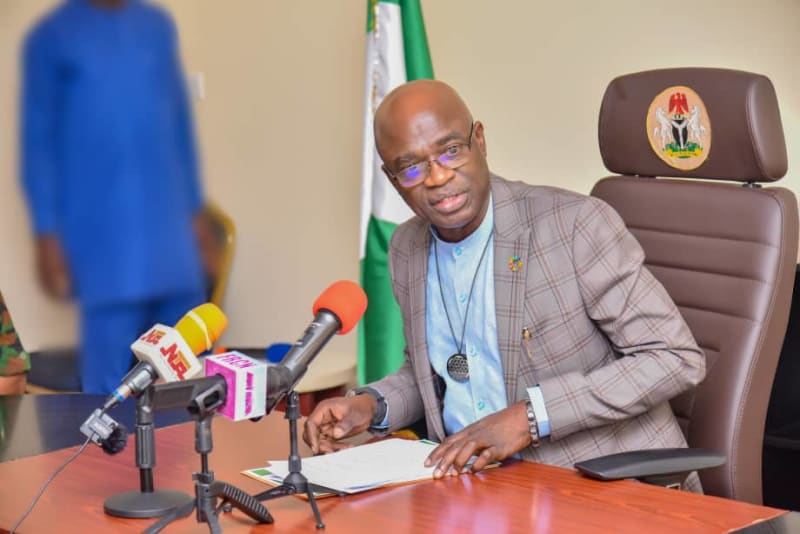
Governor Hyacinth Alia has begun construction on over 55 kilometers of reconstructed and expanded roads in Gboko, part of a broader infrastructure push transforming daily life across Benue State. The five-month project promises to boost commerce, create jobs, and improve mobility for thousands of residents.
A massive road project is bringing new hope to communities across Gboko, Nigeria, as Governor Hyacinth Alia breaks ground on a 55-kilometer network of reconstructed and expanded roads.
The ambitious infrastructure plan, flagged off in Gboko Local Government Area, represents one of the largest single road projects in Benue State's recent history. Contractors have been given five months to complete the work, with clear directives to maintain the highest construction standards.
Local officials say the project will do far more than just smooth out bumpy commutes. Better roads mean easier access to markets, faster emergency response times, and new economic opportunities for small businesses that have struggled with poor transportation links for years.
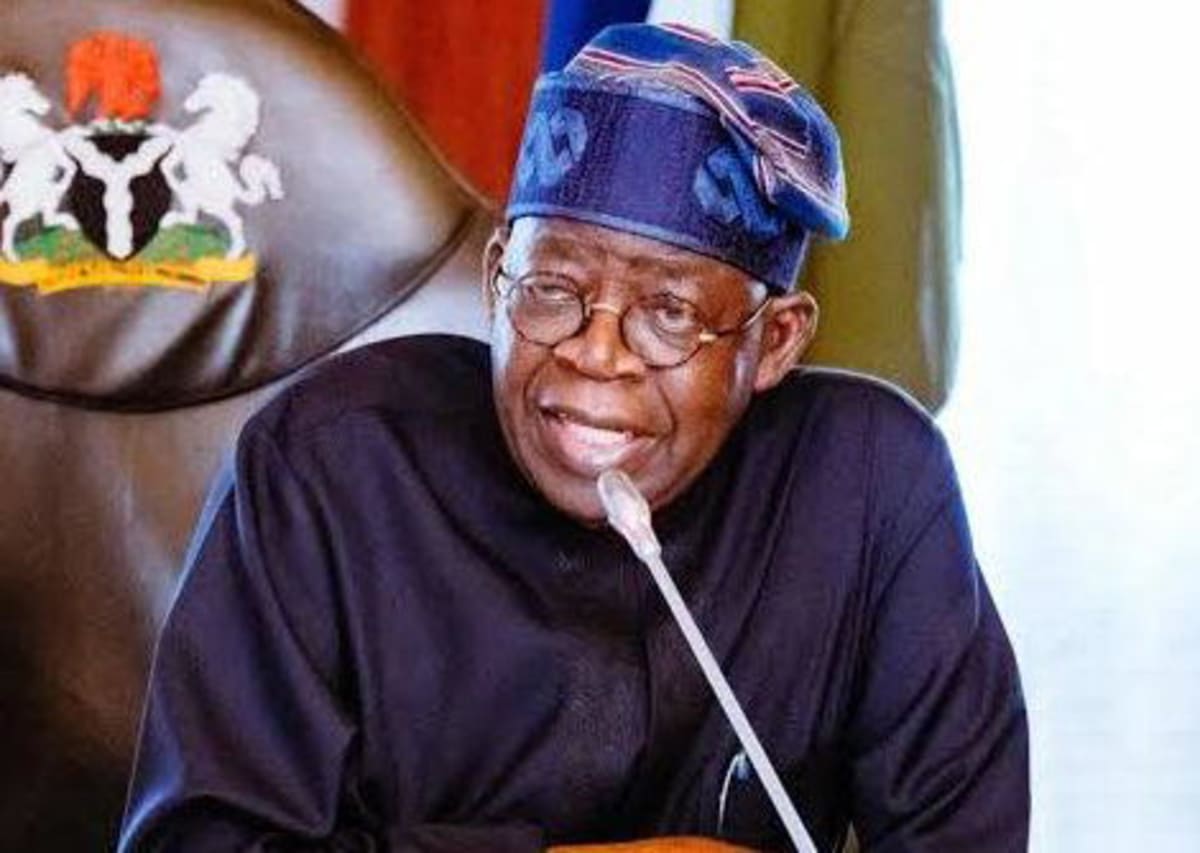
Governor Alia credited federal government collaboration for making the project possible, noting that partnership with President Bola Ahmed Tinubu's administration has helped position Benue as a growing hub of development. The governor has earned the nickname "The Talk and Do Governor" among young residents who've watched promises turn into concrete action.
The road network is just one piece of a broader transformation happening across Benue State. In less than three years, the administration has launched the state's first underpasses, built one-story classroom buildings in all 23 local government areas, and established an oncology center at Benue State University Teaching Hospital.
The Ripple Effect
The improvements extend beyond the obvious benefits of smoother travel. New roads typically spark a chain reaction of positive change in developing regions, attracting businesses that previously avoided areas with poor infrastructure.
For Gboko residents, better roads mean farmers can get produce to market faster, reducing spoilage and increasing income. Students face shorter, safer commutes to school. Emergency vehicles can reach patients more quickly, potentially saving lives.
The administration has also tackled long-standing challenges like flooding, funding ecological interventions at the Idyer Basin canal that have ended decades of disaster for corridor residents. Over 35 township roads across major towns have been constructed, connecting communities that once felt isolated.
State officials report that recognition of Benue's progress has spread beyond its borders, with Vice President Kashim Shettima publicly acknowledging the scope of projects completed under the current administration. Local party chairman Benjamin Omale called the work "history-making" and urged residents across political divides to support development-oriented leadership.
The five-month timeline is ambitious, but officials say speed matters when communities have waited years for basic infrastructure improvements. Every week of faster construction means sooner relief for residents navigating damaged roads and missed economic opportunities.
Benue is proving that focused investment in basic infrastructure can reshape a region's future one kilometer at a time.
Based on reporting by Vanguard Nigeria
This story was written by BrightWire based on verified news reports.
Spread the positivity!
Share this good news with someone who needs it