Nigeria's Coal Could Store Carbon and Boost Clean Energy
Nigerian scientists discovered their country's coal deposits can trap carbon dioxide while releasing natural gas, offering a two-in-one climate solution. The breakthrough could help Nigeria cut emissions and strengthen energy security.
Scientists in Nigeria just found a way to turn old coal deposits into carbon-fighting powerhouses while producing clean energy at the same time.
Researchers at the Federal University of Technology in Owerri discovered that coal from two Nigerian regions grabs onto carbon dioxide much more strongly than natural gas. This quirk of chemistry means the coal can trap CO₂ underground permanently while pushing out methane that can fuel homes and businesses.
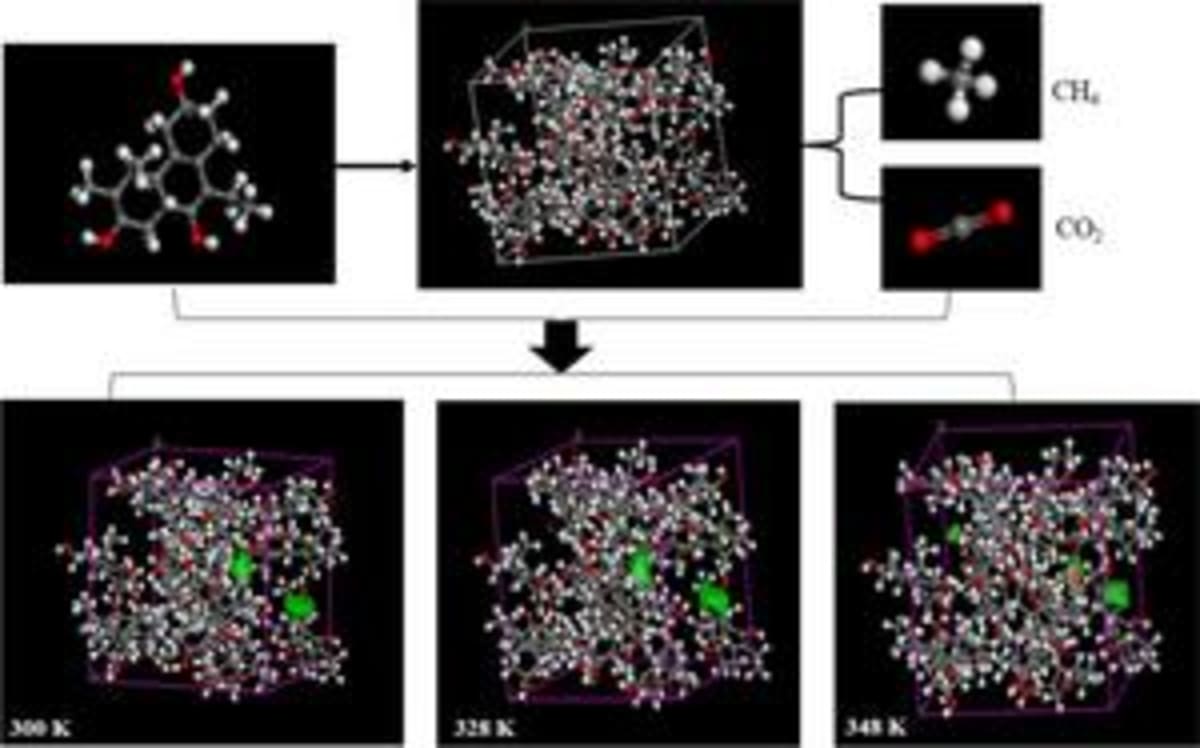
Victor Inumidun Fagorite and his team at the African Centre of Excellence in Future Energies used computer simulations to watch how individual gas molecules interact with coal at the atomic level. They built a virtual model of Nigerian subbituminous coal and tested it under different temperatures and pressures.
The results were striking. The coal's surface chemistry makes it cling to CO₂ molecules with significantly more force than methane molecules. Think of it like a magnet that strongly attracts one type of metal while barely holding another.
The Ripple Effect
This discovery opens the door for Nigeria to develop CO₂-Enhanced Coalbed Methane projects across the country. The technology addresses two critical challenges simultaneously: reducing atmospheric carbon while increasing domestic energy production.
The research team found that pressure and temperature settings matter tremendously for efficiency. At lower pressures, the coal showed extremely high selectivity for CO₂, though this decreased as temperatures rose. Above 6 megapascals of pressure, temperature became less important, giving engineers flexibility in designing real-world systems.
Nigeria holds substantial coal reserves that have sat largely unused as the world shifted away from coal power. Now these same deposits could become valuable assets in the climate fight. Instead of burning coal and releasing emissions, the country could use it as permanent storage for carbon captured from other sources.
The molecular modeling approach also creates a predictive framework that can guide where to site pilot projects and how to optimize operations. Future research will examine larger pore structures in the coal to refine the models even further.
For a nation working toward net-zero emissions while meeting growing energy demands, this homegrown solution offers a practical path forward that turns a dormant resource into a double benefit for both economy and environment.
Based on reporting by Google News - Clean Energy
This story was written by BrightWire based on verified news reports.
Spread the positivity!
Share this good news with someone who needs it