Nigeria's Digital Exam Rollout Succeeds in Government Schools
Nigerian students are excelling with computer-based national exams in government schools, marking a major milestone in the country's education modernization. No technical glitches were reported across multiple exam sessions.
Students at government schools across Nigeria are successfully completing their national exams on computers for the first time, signaling a transformative shift in how Africa's most populous nation tests its youth.
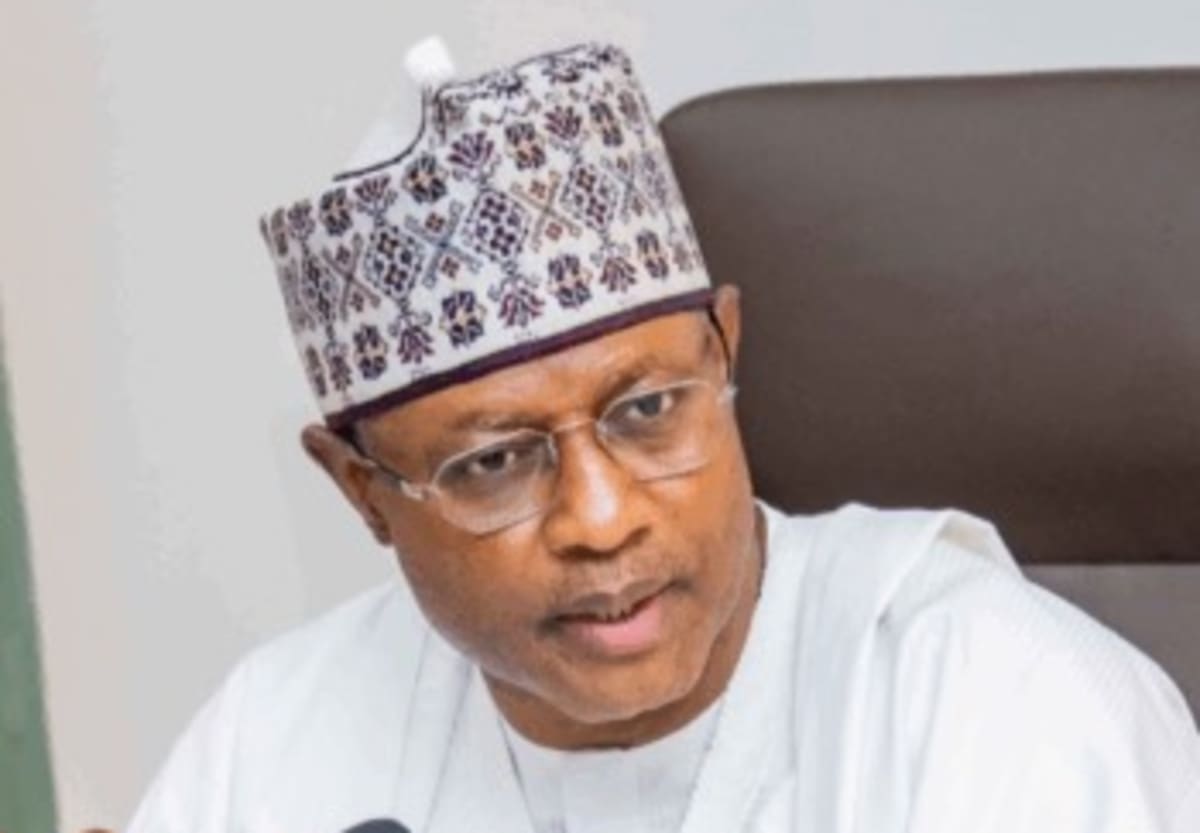
The Computer-Based West African Senior School Certificate Examination (CBT-WASSCE) rolled out smoothly this week in government schools in Abuja, with students navigating digital platforms confidently and completing multiple exam sessions without technical failures. Education Minister Prof. Suwaiba Said Ahmad visited examination centers and spoke directly with candidates, who reported feeling comfortable with the technology.
"This is the first time we are conducting the CBT examination in a government school of this nature, and the students are happy with it," Ahmad said after monitoring centers at Government Secondary School, Garki, and Federal Government Boys' College. The students confirmed they had prepared well and encountered no difficulties using the computer systems.
The success follows extensive pilot testing before deployment. Some centers have already administered seven exam papers using the digital platform without candidates losing access to questions or facing technical challenges. Examination officials maintained orderly, credible testing environments throughout.
Power reliability, often a concern in Nigeria, posed no problems. Schools used alternative energy sources like solar panels and generators rather than relying on the national grid, ensuring uninterrupted testing sessions.
The Ripple Effect
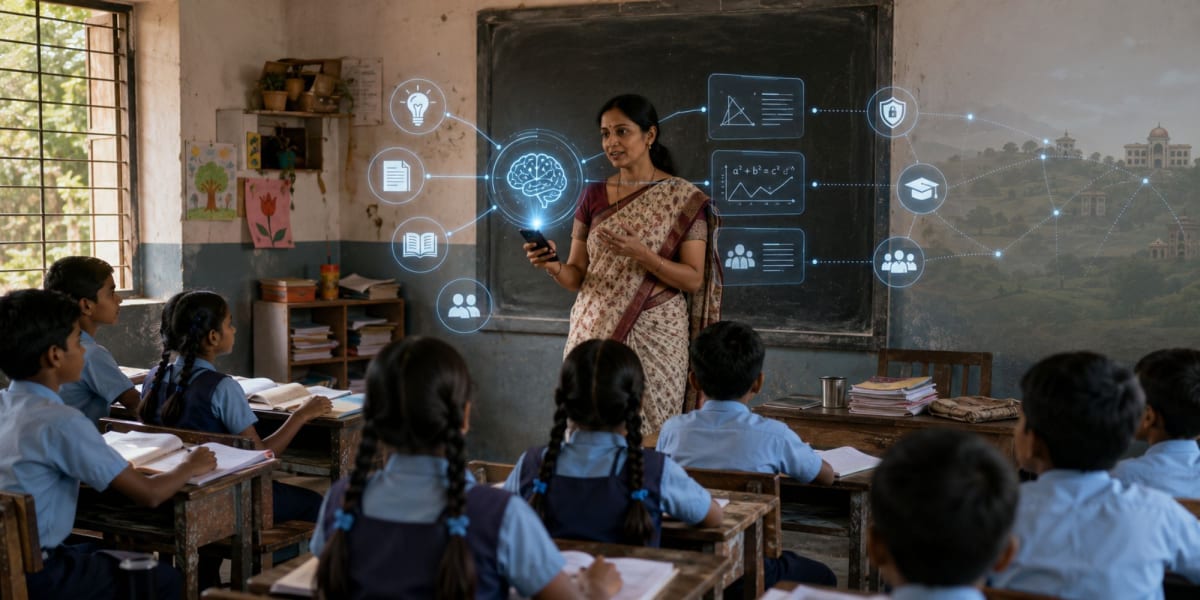
This digital transition represents more than just modernized testing. It signals Nigeria's commitment to equipping 200 million citizens with technological fluency, starting with its youngest generation. Students in government schools, which serve predominantly middle and lower-income families, are gaining exposure to digital tools that will benefit them throughout their academic and professional lives.
The phased approach allows Nigeria to expand gradually while building infrastructure. Schools qualify for CBT exams based on having functional ICT facilities with enough computers to accommodate all students. Where such facilities don't yet exist, traditional paper exams continue.
Federal authorities initially targeted a complete transition by 2026 but adjusted to a measured rollout after identifying infrastructure gaps in rural and underserved communities. The government is now working with states to strengthen facilities, particularly in federal unity colleges.
"The goal is to reach a stage where all examinations can be conducted through CBT, but we must first ensure that the required infrastructure is available," Ahmad explained. No definitive nationwide completion date has been announced, but the foundation is being laid systematically.
The successful launch proves that with proper preparation and realistic planning, even resource-constrained education systems can embrace digital innovation without leaving students behind.
Based on reporting by Vanguard Nigeria
This story was written by BrightWire based on verified news reports.
Spread the positivity!
Share this good news with someone who needs it