Nigeria's $1B Plan Shifts from Handouts to Real Hope
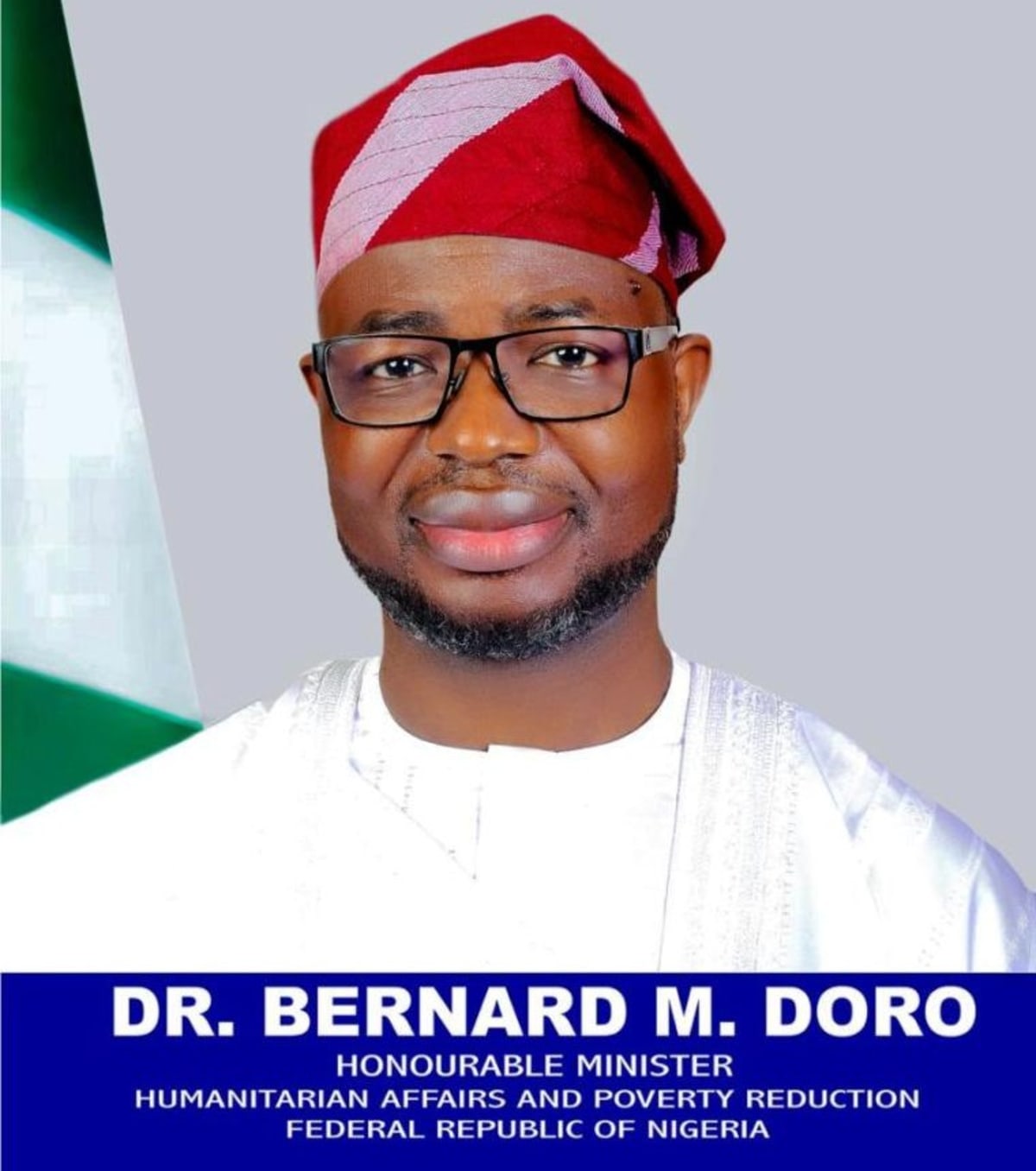
Nigeria just launched a groundbreaking $1 billion program that doesn't just feed struggling families for a day—it helps them build lasting prosperity. Minister Bernard Doro is replacing the old crisis-response playbook with something families can actually build futures on.
Nigeria is rewriting the rules on how governments help people escape poverty, and 7.6 million vulnerable families are about to feel the difference.
On August 26, 2026, First Lady Oluremi Tinubu unveiled the Renewed Hope Social Protection Programme at the State House in Abuja. The $1 billion initiative marks a dramatic shift in how Africa's most populous nation tackles poverty and humanitarian crises.
For years, Nigeria followed a familiar pattern. Crisis hits, government sends emergency aid, families survive another month, then the cycle repeats. Minister of Humanitarian Affairs and Poverty Reduction Dr. Bernard Doro asked a simple but powerful question: what happens to these households after the handouts stop?
His answer is the Household Prosperity and Empowerment Social Protection Project, known as HOPE-SP. Each eligible household receives a one-time digital transfer of ₦40,000 (about $25 USD), verified through their National Identification Numbers to reduce fraud and ensure the money reaches real families in need.
But the cash is just the beginning. Doro calls his approach moving "from palliatives to pathways"—from temporary relief to permanent routes out of poverty. Instead of just counting how many people got help, the government now tracks whether that help actually changed their circumstances.
The new One Humanitarian One Poverty Response System tackles another critical problem: fragmentation. Previously, one family might receive aid from multiple programs while their equally struggling neighbor got nothing because different agencies couldn't share information. The integrated system creates visibility across all humanitarian efforts.
Governor Babagana Zulum of Borno State, a region deeply affected by conflict and displacement, emphasized that poverty and inequality fuel insecurity in ways military action alone cannot solve. His support signals recognition that economic empowerment is a security strategy.
Why This Inspires
What makes this program different is its refusal to accept good intentions as good enough. A National Poverty Intelligence Lab will use real-time data to answer one question: did the intervention actually work?
Over the previous three years, Nigeria distributed more than ₦600 billion to just over 10 million households. Now the government wants to prove the next phase can deliver something beyond survival—it can deliver transformation.
The program puts households at the center, assessing individual family circumstances and providing tailored support rather than one-size-fits-all relief. Families aren't just beneficiaries anymore; they're participants in their own poverty graduation pathway.
For a country where millions face food insecurity, displacement, and economic shocks daily, this represents a fundamental reimagining of government responsibility. Success won't be measured in rice bags distributed but in families who no longer need the rice bags at all.
Nigeria is betting $1 billion that measuring impact matters more than counting handouts—and millions of families are about to find out if that bet pays off.
More Images
Based on reporting by Google News - Poverty Reduction
This story was written by BrightWire based on verified news reports.
Spread the positivity!
Share this good news with someone who needs it