Nigeria's First Robotic Fibroid Surgery Makes History
A 22-year-old woman walked out of a Nigerian hospital hours after West Africa's first robotic fibroid surgery. The breakthrough marks a new era where patients no longer need to travel abroad for cutting-edge medical care.
A young woman in Nigeria just experienced what would have seemed like science fiction a decade ago: walking out of the hospital the same day doctors removed her uterine fibroids using a robot.
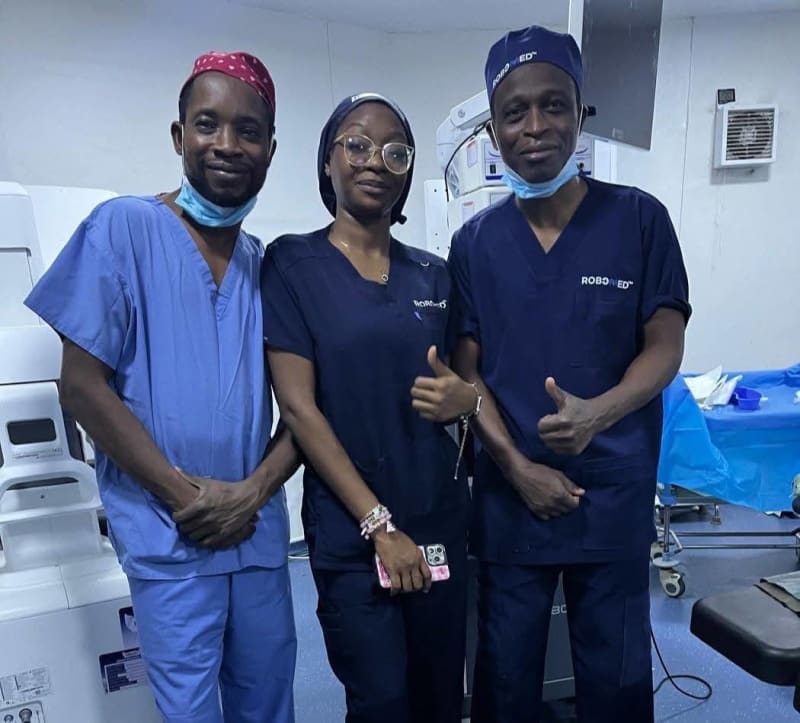
On January 30, 2026, Dr. Ahmed Abdullahi made history at Nisa Premier Hospital by performing West Africa's first robotic-assisted fibroid removal. The 22-year-old patient chose this advanced option over traditional surgery, and the results speak for themselves.
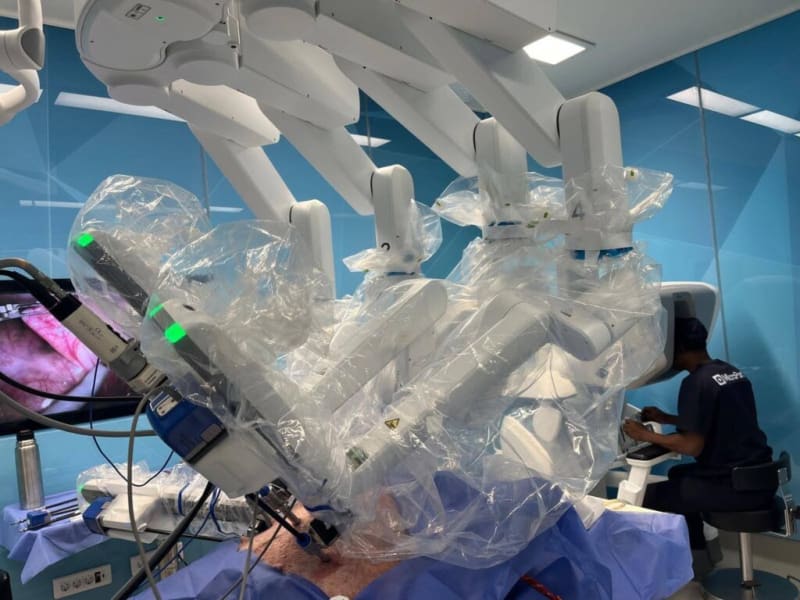
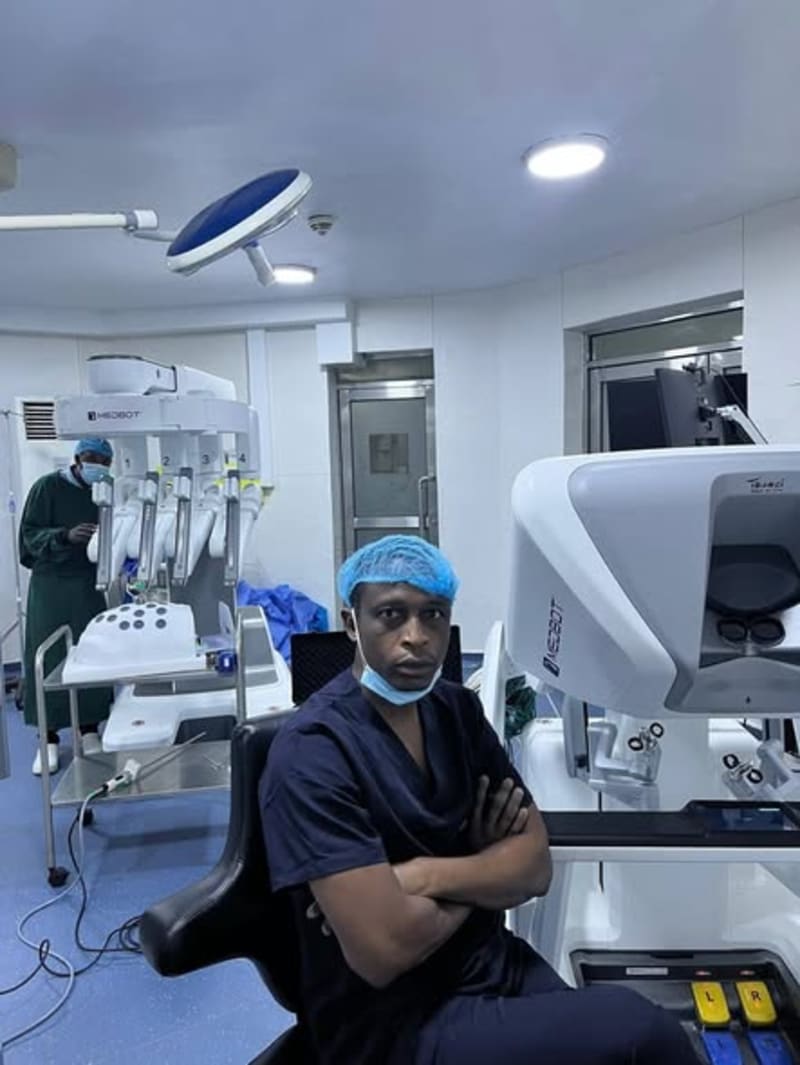
Using the Microport Toumai MT-1000 robotic platform, Dr. Abdullahi made tiny, precise cuts instead of the large incisions required in conventional surgery. The patient lost minimal blood, needed no transfusion, and left the hospital within hours reporting only mild discomfort.
The technology gives surgeons an advantage human hands simply can't match. The robot provides three-dimensional visualization and enhanced precision, allowing doctors to navigate delicate tissue with remarkable accuracy while dramatically reducing surgical errors.
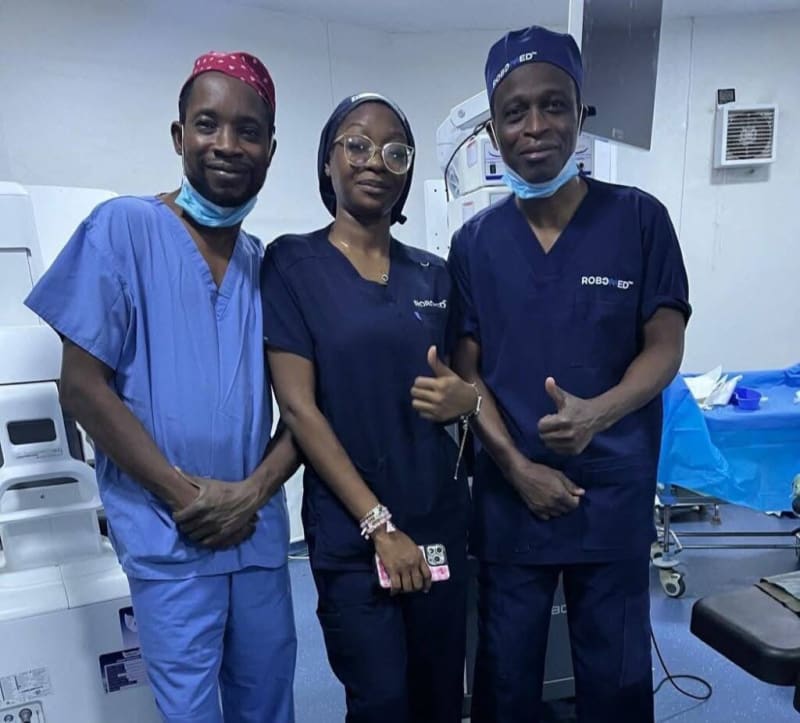
Dr. Abdullahi, who hails from Adamawa State, worked alongside Dr. David Ejenobo to ensure the procedure's success. Their partnership with RoboMed Global brought this advanced technology to Nigerian soil through a collaboration between the hospital and international medical innovators.
The Ripple Effect
This single surgery represents something much bigger than one successful procedure. Thousands of Nigerian women seek treatment abroad each year for conditions like fibroids, endometriosis, and tumors, spending money their country could keep while building local expertise.
Now those same women can access world-class care at home. Shorter recovery times mean less time away from work and family. Minimal scarring and reduced pain mean better quality of life after surgery.
The procedure also signals Nigeria's growing capacity to compete on the global medical stage. As robotic surgery infrastructure expands across West Africa, more patients will benefit from precision-driven care that was once available only in wealthy nations.
For Dr. Abdullahi's home state of Adamawa, the achievement showcases homegrown talent meeting cutting-edge innovation. His success opens doors for other Nigerian medical professionals to lead rather than follow in advanced healthcare delivery.
Dr. Obi Ekwenna, CEO of RoboMed Global, calls this a watershed moment for women's healthcare in West Africa and commits to expanding both technology access and specialized training across the region. This is just the beginning of what precision medicine can accomplish when innovation meets determination.
More Images
Based on reporting by Google News - Medical Breakthrough
This story was written by BrightWire based on verified news reports.
Spread the positivity!
Share this good news with someone who needs it