Nigeria's Foreign Reserves Hit 17-Year High at $52.5B
Nigeria's foreign reserves have climbed to their highest point in nearly two decades, signaling renewed investor confidence in Africa's largest economy. The milestone reflects successful economic reforms that are strengthening the naira and taming inflation.
Nigeria just reached a financial milestone that hasn't been seen since 2009.
The country's foreign reserves surged past $52.5 billion in July 2026, exceeding the Central Bank of Nigeria's annual target and marking the highest level in 17 years. The achievement signals a major turning point for Africa's most populous nation after years of economic challenges.
The Central Bank of Nigeria announced the news at a public forum in Gombe, crediting renewed investor confidence and steady capital inflows. Mrs. Hakama Sidi Ali, the bank's Acting Director of Corporate Communications, said the growth shows increasing trust in Nigeria's economic management and reform efforts.
The reserves boost comes alongside other encouraging signs. Inflation dropped from 15.93 percent in May to 15.91 percent in June, while food prices also moderated. The naira has strengthened significantly, with the gap between official and street exchange rates narrowing to less than 2 percent.
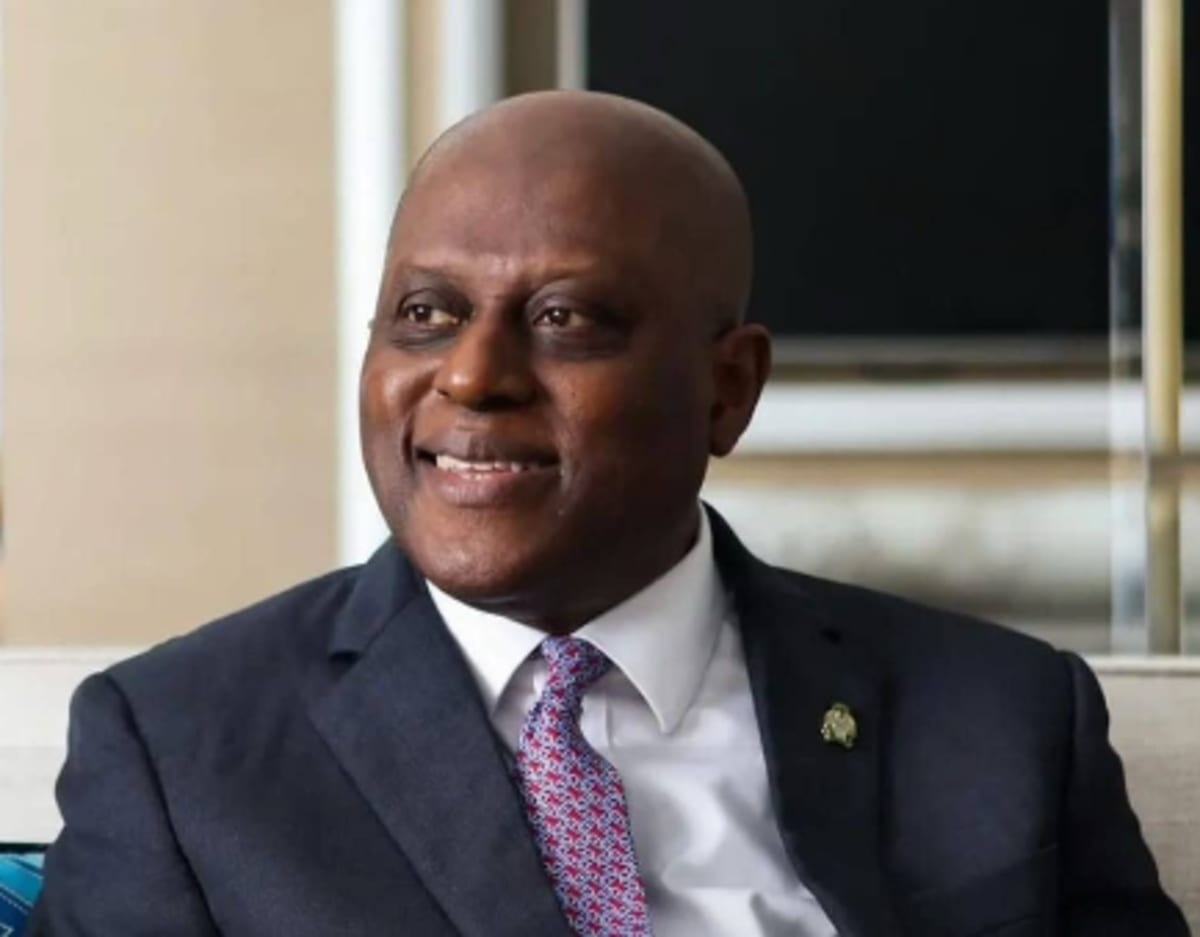
These improvements stem from reforms introduced under CBN Governor Olayemi Cardoso's leadership over the past 34 months. The changes include unifying exchange rates, increasing market transparency, and recapitalizing the banking sector to make it more resilient.
The central bank also launched innovative platforms to improve financial access. The Non-Resident Bank Verification Number now allows Nigerians living abroad to participate more easily in the domestic economy. A new foreign exchange trading platform called B-Match has increased transparency in currency markets.
The Ripple Effect
Strong foreign reserves do more than just look good on paper. They protect Nigeria's economy from external shocks, make imports more affordable, and give businesses confidence to invest and expand. For everyday Nigerians, this translates to more stable prices and better access to foreign goods and services.
The reserve buildup also demonstrates that investors worldwide are putting their money where Nigeria's potential is. Increased participation across various asset classes shows growing belief that the country's economic trajectory is pointing upward.
The central bank isn't stopping here. Officials reaffirmed their commitment to maintaining monetary stability while implementing policies to attract more investment and support sustainable growth. The Nigeria Payments System Vision 2028 aims to modernize how money moves through the economy.
These reforms represent a long-term strategy rather than quick fixes. By focusing on transparency, stability, and investor confidence, Nigeria is building foundations for sustained economic health. The results are already visible in improved macroeconomic indicators across the board.
For a nation of over 200 million people, stable reserves and controlled inflation create opportunities for businesses to thrive and families to plan for the future with greater certainty.
Based on reporting by Vanguard Nigeria
This story was written by BrightWire based on verified news reports.
Spread the positivity!
Share this good news with someone who needs it