Nigeria's Great Green Wall Stops Desert, Restores Hope
A massive tree-planting project across Africa is reversing desert expansion and transforming communities once threatened by the advancing Sahara. In Nigeria alone, farmers who lost everything to dust storms are now watching their land turn green again.
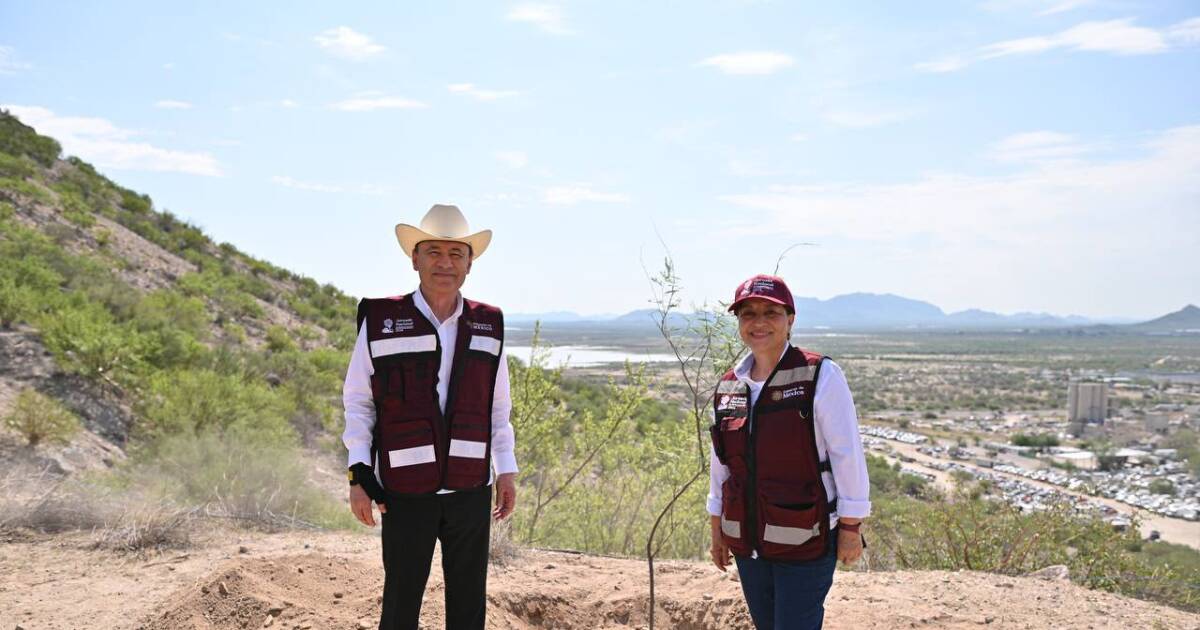
Gadeja Shehu used to watch helplessly as fierce winds from the Sahara Desert ripped the roof off his home and destroyed his farmland in northern Nigeria. Today, those same winds barely touch his village, thanks to thousands of trees he and his neighbors planted starting in 2021.
Shehu is part of the Great Green Wall Initiative, an ambitious effort to plant an 8,000-kilometer belt of trees across 11 African countries. Launched by the African Union in 2007, the project aims to stop the Sahara Desert, which has expanded by 10 percent since the 1920s and continues swallowing 35,000 hectares of Nigerian farmland every year.
In Garbadu village, home to 6,000 people, families had abandoned their fields as the desert crept closer. Falling crop yields meant less food and shrinking incomes. Many wondered if they'd have to leave their ancestral homes entirely.
The tree-planting changed everything. Drought-resistant trees now create a living barrier that holds moisture in the soil and blocks destructive winds. Fields that once sat barren are producing crops again.
Nigeria's section of the Great Green Wall stretches 1,500 kilometers across the country's vulnerable northern states. The trees do more than stop sand. They improve water conservation, support livestock, and create green jobs for communities adapting to climate change.
The initiative has secured over $7 billion in funding from partners including the Global Environment Facility, which has contributed $1 billion in grants. By 2030, the project aims to restore 100 million hectares of degraded land, generate 10 million jobs, and capture 250 million tons of carbon dioxide.
The Ripple Effect
Village head Murtala Bado says the most remarkable change isn't just the growing trees. It's the shift in how people think. In a region where deforestation was once common, community members now protect the trees fiercely and report anyone who tries to cut them down.
The project has created jobs for local farmers who receive government allowances to care for the trees. These guardians water, protect, and tend the saplings, ensuring they survive the harsh climate.
Critics point out that progress has been slower than originally hoped. But experts like Jonky Tenou from the Global Environment Facility emphasize this isn't a quick fix. It's a long-term transformation designed to deliver sustained impact across generations.
Emmanuel Diagbouga, a natural resources expert in Burkina Faso, notes that success depends on connecting regional coordination with community action. When villagers like Shehu feel ownership over the project, the trees have a fighting chance.
Back in Garbadu, Shehu continues caring for his trees and watching green slowly return to brown earth. The desert that seemed unstoppable is finally being pushed back, one seedling at a time.
More Images


Based on reporting by AllAfrica - Environment
This story was written by BrightWire based on verified news reports.
Spread the positivity!
Share this good news with someone who needs it