Nigeria's Labour Party Eliminates Fees for Women Candidates
Nigeria's Labour Party just announced it will remove all financial barriers for women seeking office, while the House creates two new committees focused on women's issues. Leaders across parties are uniting to transform women from campaign props into decision-makers.
When women show up in Nigerian politics, they're often handed a microphone to sing campaign songs, then sent home when the real decisions get made. That's changing as major political institutions take concrete steps to shift women from the sidelines to positions of power.
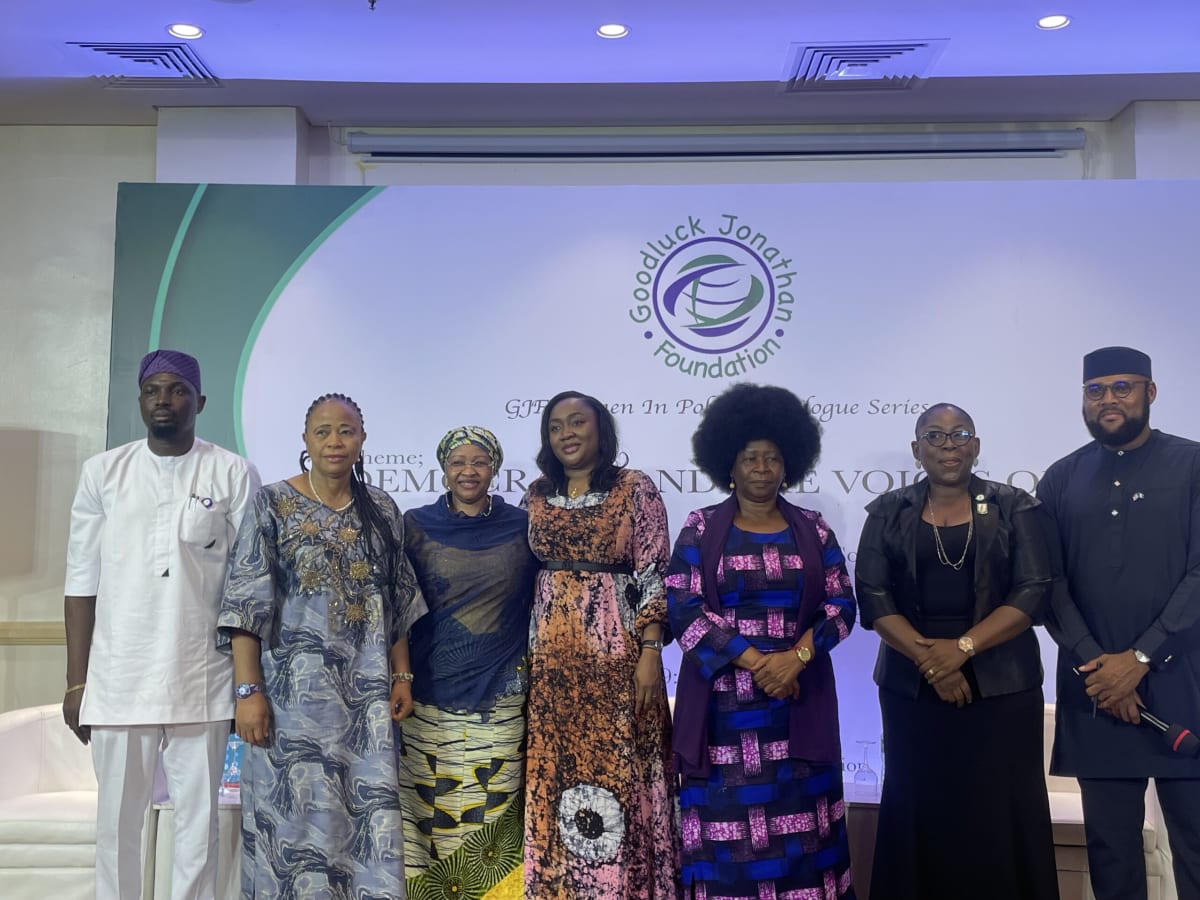
The Labour Party made headlines at a policy dialogue in Abuja by pledging to eliminate registration fees for women candidates. Party Chairperson Nenadi Usman, a former finance minister and senator, said women will no longer need huge sums just to obtain party tickets.
"Women should simply register and contest if they are popular and have support," Usman told attendees at the Goodluck Jonathan Foundation event marking International Women's Day 2026. The dialogue focused on translating symbolic female participation into real political influence.
Usman called out a pattern she's witnessed throughout her career: women mobilized to sing and dance during campaigns, then excluded when leadership decisions happen. She even shared how two male candidates once joined forces against her during a senatorial primary when it looked like she might win.
The House of Representatives is backing words with institutional change. For the first time in Nigeria's history, it created two separate committees dedicated to women's issues. Out of 17 female lawmakers currently serving, 15 hold leadership positions as committee chairs or deputy chairs.
A proposed bill on independent candidacy could offer another path forward. The legislation would let qualified candidates run for office without party backing, removing a major barrier when internal party politics shut women out.
The Ripple Effect
The changes ripple beyond individual careers. Human rights activist Ene Obi reminded the audience that women make up 49.3 percent of Nigeria's population but remain nearly invisible at decision-making tables. Nigeria ranks near the bottom globally for female political representation.
Usman pointed to an uncomfortable truth about why progress has been slow: women often fail to support each other the way men do. "A man can relate easily with younger men politically, but many older women rarely mentor or work closely with younger women," she explained.
She's calling for cross-party solidarity, suggesting that women could sometimes unite behind strong female candidates regardless of party affiliation. That kind of alliance building among women remains rare but could strengthen their collective voice.
The policy changes address practical challenges too. Women juggle political ambitions with family responsibilities that often fall disproportionately on their shoulders. Removing financial barriers and creating institutional support systems helps level a playing field that's been tilted for generations.
Nigeria's democracy is taking measurable steps to include the half of its population that's been watching from the margins, and these leaders are proving that change requires more than speeches.
More Images



Based on reporting by Premium Times Nigeria
This story was written by BrightWire based on verified news reports.
Spread the positivity!
Share this good news with someone who needs it