Nigeria's South-East Ends 5-Year Monday Shutdown
Schools, markets, and businesses across southeastern Nigeria are reopening on Mondays after a five-year protest shutdown was permanently cancelled. The change comes after a direct order from protest leader Nnamdi Kanu, ending a policy that cost the region an estimated $4.6 billion and 776 lives. #
Children across five Nigerian states walked back into classrooms this Monday for the first time in nearly five years.
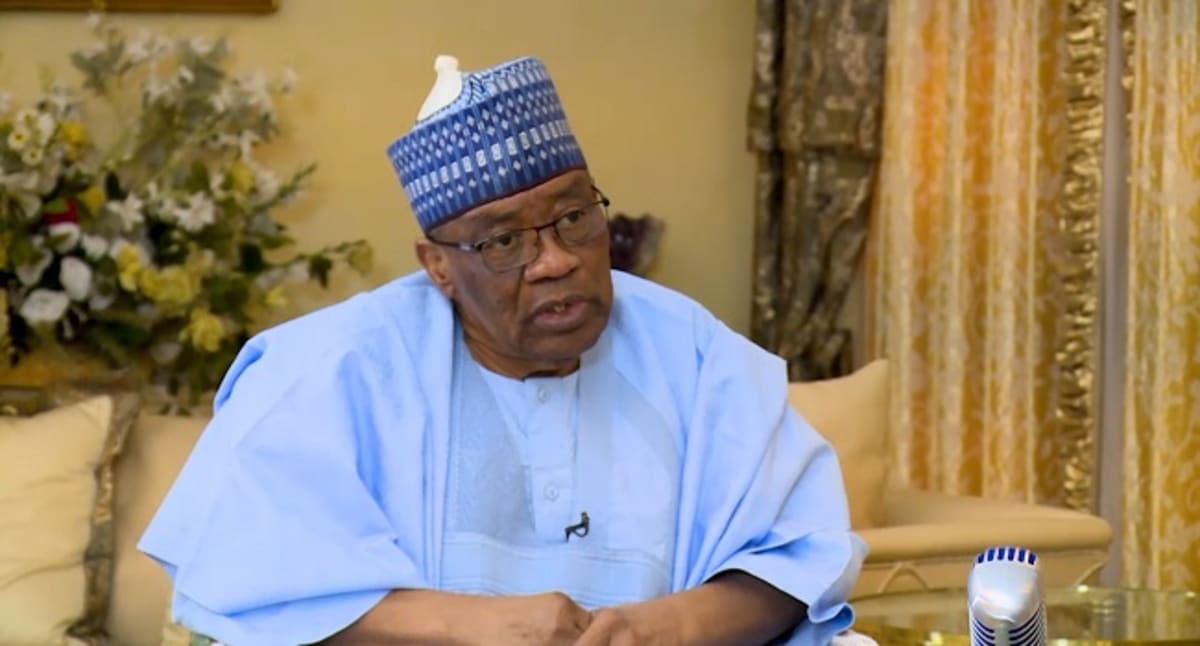
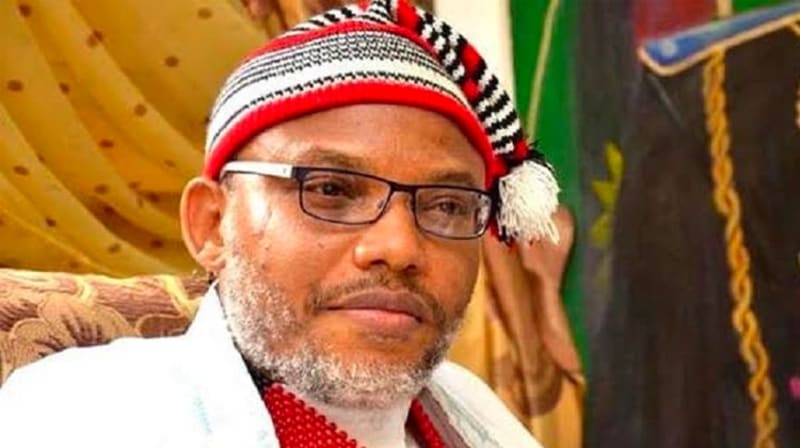
The Indigenous People of Biafra announced the permanent end of their Monday sit-at-home protest, which had shuttered schools, markets, and businesses every Monday since August 2021. The directive came directly from the group's detained leader, Nnamdi Kanu, who urged residents to resume normal life without fear.
The weekly shutdowns began as a protest against Kanu's detention but grew into a crisis enforced through intimidation and violence. Over four years, the policy was linked to 776 deaths and devastating economic losses totaling roughly $4.6 billion across the region.
Markets that stood empty for years buzzed with activity again. In Onitsha, one of West Africa's largest markets, traders opened their shops on Monday for the first time since 2021. Many wept with relief as customers returned.
Governor Chukwuma Soludo had pushed back hard against the shutdown, ordering markets reopened the week before the official cancellation. His bold move signaled that regional leaders were ready to reclaim Mondays for their people.
The announcement stressed that anyone attempting to enforce the old shutdown order would be acting against Kanu's direct command. Residents received clear instructions to send their children to school, open their businesses, and go about their work without fear.
The Ripple Effect
The return of Monday business means more than economic recovery. Parents can plan consistent school schedules for their children again. Small business owners who lost nearly a fifth of their weekly income now have breathing room. Transport workers who stayed home from fear of violence can earn a full week's wages.
The change affects millions of people across Imo, Anambra, Enugu, Abia, and Ebonyi states. Market associations estimate that the region lost roughly $1.15 billion annually during the shutdown years. That money can now flow back into families and communities.
Schools faced particular challenges during the protest years. Students lost valuable learning time every Monday, falling behind their peers in other regions. Teachers struggled to cover curriculum with 20% less classroom time each month.
Healthcare workers and emergency services also operated under constraints. The fear that kept people indoors on Mondays sometimes prevented urgent medical visits and delayed critical care.
Now regional officials are working to ensure the reopening sticks. They've promised protection for residents who resume normal activities and warned against any attempts to continue enforcement through intimidation.
The first Monday after the announcement saw cautious but growing participation. By the second week, normal business rhythms were returning. People shared photos of crowded markets and busy streets on social media, celebrating their reclaimed freedom.
After five years of economic stagnation and fear, southeastern Nigeria is taking back its Mondays.
#
More Images



Based on reporting by Punch Nigeria
This story was written by BrightWire based on verified news reports.
Spread the positivity!
Share this good news with someone who needs it