NJ Paramedics Now Carry Life-Saving Blood to Trauma Scenes
AtlantiCare paramedics in southeastern New Jersey can now perform blood transfusions directly at emergency scenes, bringing hospital-level trauma care to patients within minutes of injury. The breakthrough program addresses severe hemorrhage, the leading preventable cause of death after trauma.
When someone suffers massive blood loss from a car crash or shooting, every minute without blood replacement pushes them closer to death. Now, paramedics in southeastern New Jersey can deliver that life-saving blood before the ambulance even leaves the scene.
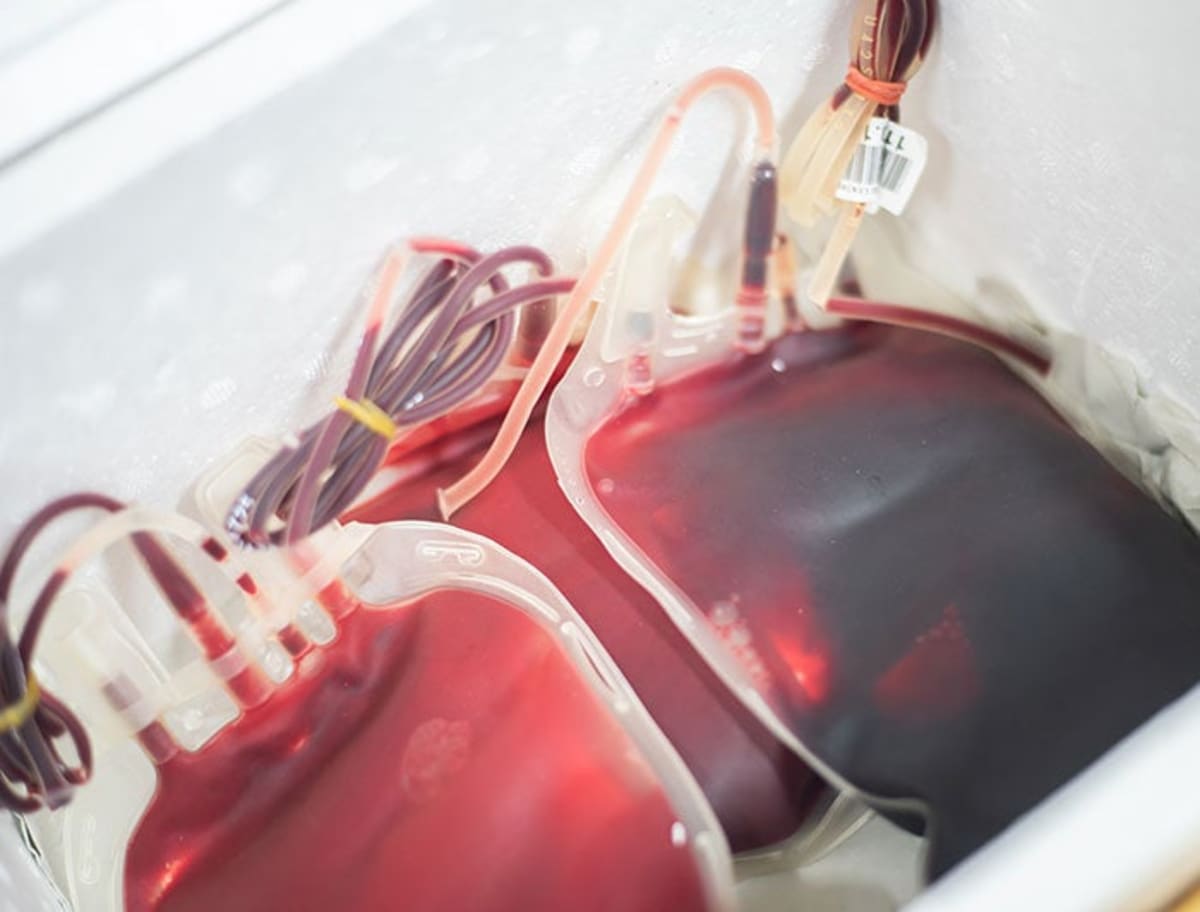
AtlantiCare EMS just launched its Ground Whole Blood Program in Egg Harbor Township, making it the only emergency service in the region carrying whole blood on ambulances. Paramedics can now start transfusions at accident scenes instead of racing against time to reach a hospital first.
"We are not simply transporting patients to the hospital," said Steve Napoli, AtlantiCare's assistant vice president and chief of EMS. "We are initiating hospital level resuscitation at the scene."
Severe hemorrhage kills more trauma patients than any other preventable cause. Those critical first minutes after injury often determine who survives and who doesn't.
Research shows early blood transfusions dramatically increase survival rates and reduce how many additional transfusions patients need later. Experts estimate this approach could save thousands of lives nationwide every year.
Getting the program running required serious commitment. AtlantiCare trained more than 100 paramedics and installed specialized refrigeration systems in their Mobile Intensive Care Units to safely store whole blood.
The Ripple Effect
This advancement represents a fundamental shift in emergency medicine. For decades, paramedics focused on stabilizing patients and driving fast. Now they're bringing operating room capabilities to roadside emergencies.
The program could inspire other EMS services across the country to adopt similar protocols. As more agencies prove the model works, whole blood programs may become standard equipment in ambulances everywhere.
For families in southeastern New Jersey, the change means their loved ones get fighting chances they never had before. Those extra minutes of care at the scene could mean the difference between saying goodbye and welcoming someone home.
The future of emergency care is arriving faster than the ambulance.
Based on reporting by Google News - New Treatment
This story was written by BrightWire based on verified news reports.
Spread the positivity!
Share this good news with someone who needs it