Nobel Winner Navi Pillay's Journey From Apartheid to Peace Prize
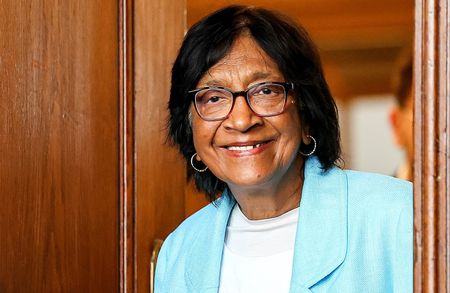
Judge Navi Pillay, whose grandfather came to South Africa under conditions of semi-slavery in the 1860s, became a Nobel Peace Prize laureate at 85. Her path from poverty and apartheid in Durban to international recognition was made possible by parents who defied expectations and neighbors who pooled their money to fund her education.
When a Geneva pharmacist asked if Ravi Pillay knew the other Pillay in their system, he had no idea he was sharing a database with a future Nobel laureate. Years later, when Navi Pillay won the 2026 Nobel Peace Prize at 85, that pharmacy memory sparked a reflection on the extraordinary generation that raised her.
Born in 1941 in apartheid Durban, Pillay faced barriers that would have stopped most people. Her mother had been denied schooling entirely because her own father feared she would write letters to boys. Yet this same woman, without formal education herself, insisted her children attend an English school and learn English.
Her father, a bus driver, made an equally remarkable choice. While Pillay's friends left school for arranged marriages, her parents encouraged her to continue studying. They lived with justified fear about political involvement and had learned to limit their aspirations under apartheid, but they refused to let those limits define their daughter's future.
The community of Clairwood stepped in when university costs loomed. A school principal recognized Pillay's potential and appealed to neighbors who had little money themselves. Residents contributed what they could to send a young Indian woman to university during a time when nearly everything around them restricted women's choices.
That investment paid forward in ways no one could have predicted. Pillay earned a master's degree and doctorate at Harvard Law School, eventually becoming a judge and international human rights advocate.
Why This Inspires
What moves me most about this story isn't just one person's achievement. It's the ripple of belief that carried her forward. A mother who valued education despite being denied it herself. A father who supported his daughter's ambitions when convention pushed against them. Neighbors who pooled scarce resources for someone else's child.
These weren't wealthy philanthropists or famous activists. They were ordinary people making extraordinary decisions within severe constraints. Some upheld certain conventions while questioning others. They shared conservative expectations yet contributed money to break barriers.
Pillay's grandfather arrived in South Africa in the 1860s under indenture, working sugar plantations in conditions described as semi-slavery. Three generations later, his granddaughter stands as a Nobel Peace Prize laureate.
The distance between those two moments contains countless small acts of courage. Parents who said yes when society said no. Teachers who saw potential where others saw limits. Communities that invested in futures they might never see.
Not every young woman of that generation received such support, and acknowledging those lost opportunities brings necessary weight to this celebration. But Pillay's story proves what becomes possible when people refuse to accept the boundaries drawn around them.
At 85, she carries forward the dreams of everyone who believed in her before the world knew her name.
More Images

Based on reporting by Daily Maverick
This story was written by BrightWire based on verified news reports.
Turn Today’s Good News Into Action
Generate a simple, meaningful 2-minute act of kindness you can do today and log your ripple effect.
Spread the positivity!
Share this good news with someone who needs it