Nobel Winner Turns Protein AI Into Life-Saving Drug Tool
The scientist who won a Nobel Prize for predicting protein structures is now using that breakthrough to design new medicines for diseases once thought untreatable. His lab has 17 drugs in development and expects to start human trials by year's end.
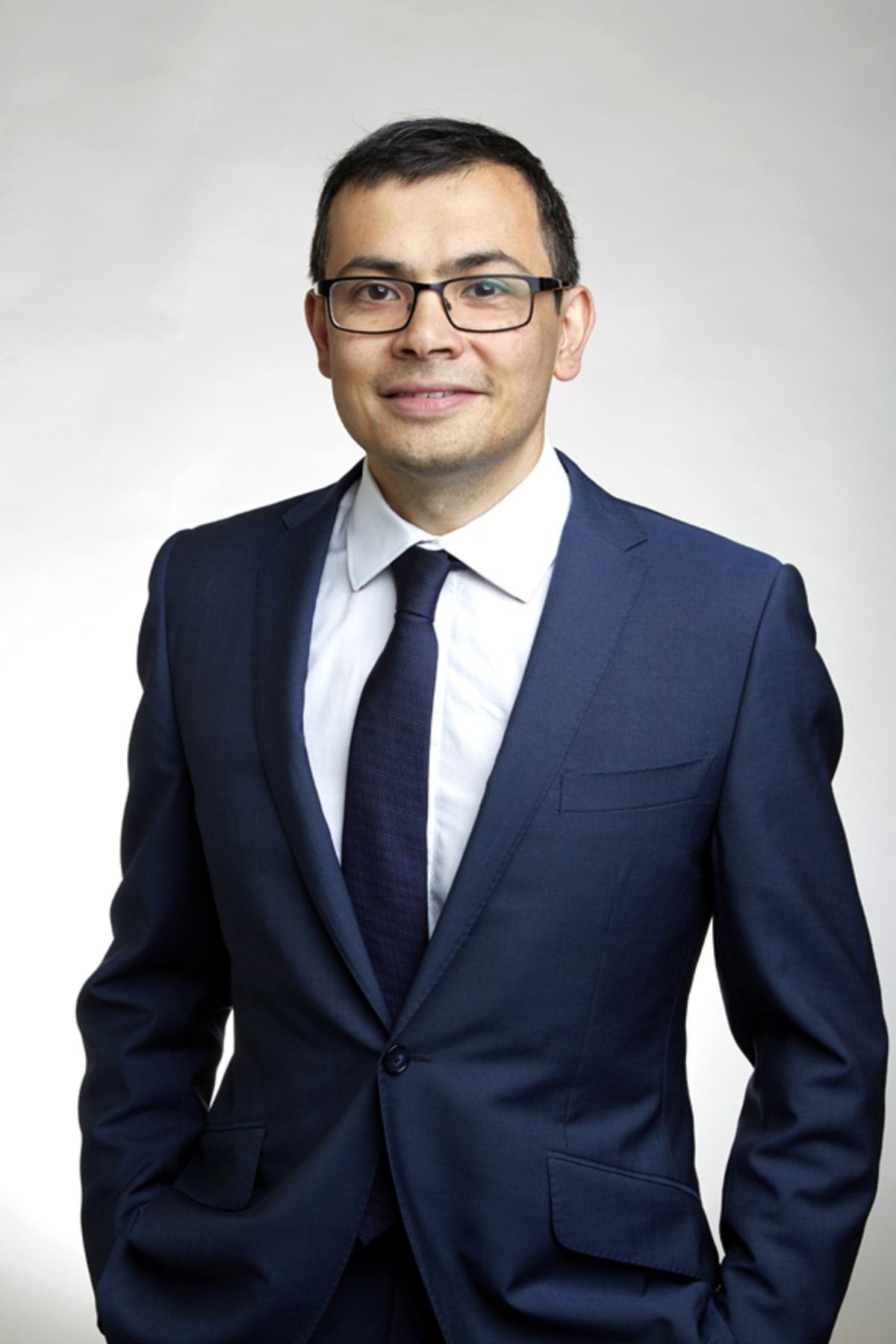
Demis Hassabis isn't celebrating his Nobel Prize by slowing down. The Google DeepMind CEO is racing to turn his award-winning protein prediction tool into something even bigger: a drug discovery engine that could cure diseases doctors have struggled with for decades.
AlphaFold, the artificial intelligence tool that earned Hassabis his 2024 Nobel Prize in Chemistry, has already mapped the 3D structure of 200 million proteins. More than three million researchers in 190 countries now use these free predictions to understand how life works at its most basic level.
But Hassabis sees that achievement as chapter one, not the ending. Through his spinout company Isomorphic Labs, he's applying an upgraded version called AlphaFold 3 to design entirely new medicines that can target proteins previously considered "undruggable."
The commercial bet is massive. Pharmaceutical giants Eli Lilly and Novartis have signed deals worth nearly $3 billion in potential payments if Isomorphic's drug candidates succeed. The partnerships cover 17 active programs targeting cancer, immune disorders, and heart disease.
Human trials are coming soon. Speaking at the World Economic Forum in Davos this January, Hassabis said the first patients could receive Isomorphic's experimental drugs by the end of 2026.
His vision extends far beyond individual medicines. In a February interview with Fortune magazine, Hassabis described building toward "radical abundance," where AI systems can independently run the entire scientific method: forming hypotheses, designing experiments, and discovering breakthrough solutions without human guidance.
The Ripple Effect
The protein structures AlphaFold predicted are already accelerating research worldwide. Scientists studying malaria, Parkinson's disease, and antibiotic resistance have used the tool to understand their targets better and faster than ever before.
Hassabis believes we're entering what he calls a "new renaissance" of scientific discovery. Within 10 to 15 years, he told Fortune, AI-powered research could unlock solutions to problems that have stumped humanity for generations.
The approach differs from how most tech companies are chasing AI breakthroughs. While competitors focus on building bigger models with more computing power, Hassabis is betting on teaching AI systems to reason through problems using diverse types of data, not just text.
His Nobel lecture in Stockholm last December framed AlphaFold as "the first proof point of AI's incredible potential to accelerate scientific discovery." Now he's proving that potential can translate from academic papers to actual pills.
The timeline from protein prediction to medicine in patients spans just six years and counting.
More Images
%2522%252C%2522data%2522%253A%255B0.5%252C1.0%252C1.5%252C2.0%252C3.0%255D%252C%2522backgroundColor%2522%253A%2522%25236366f1%2522%257D%255D%257D%252C%2522options%2522%253A%257B%2522plugins%2522%253A%257B%2522legend%2522%253A%257B%2522display%2522%253Afalse%257D%252C%2522title%2522%253A%257B%2522display%2522%253Atrue%252C%2522text%2522%253A%2522AlphaFold%2520Cumulative%2520Research%2520Users%2520(millions)%2522%257D%257D%252C%2522scales%2522%253A%257B%2522y%2522%253A%257B%2522beginAtZero%2522%253Atrue%257D%257D%257D%257D)

%2522%257D%257D%257D%257D)

Based on reporting by Google: scientific discovery
This story was written by BrightWire based on verified news reports.
Spread the positivity!
Share this good news with someone who needs it