Nobel Winner: Webb Telescope Will Show Universe's First Stars
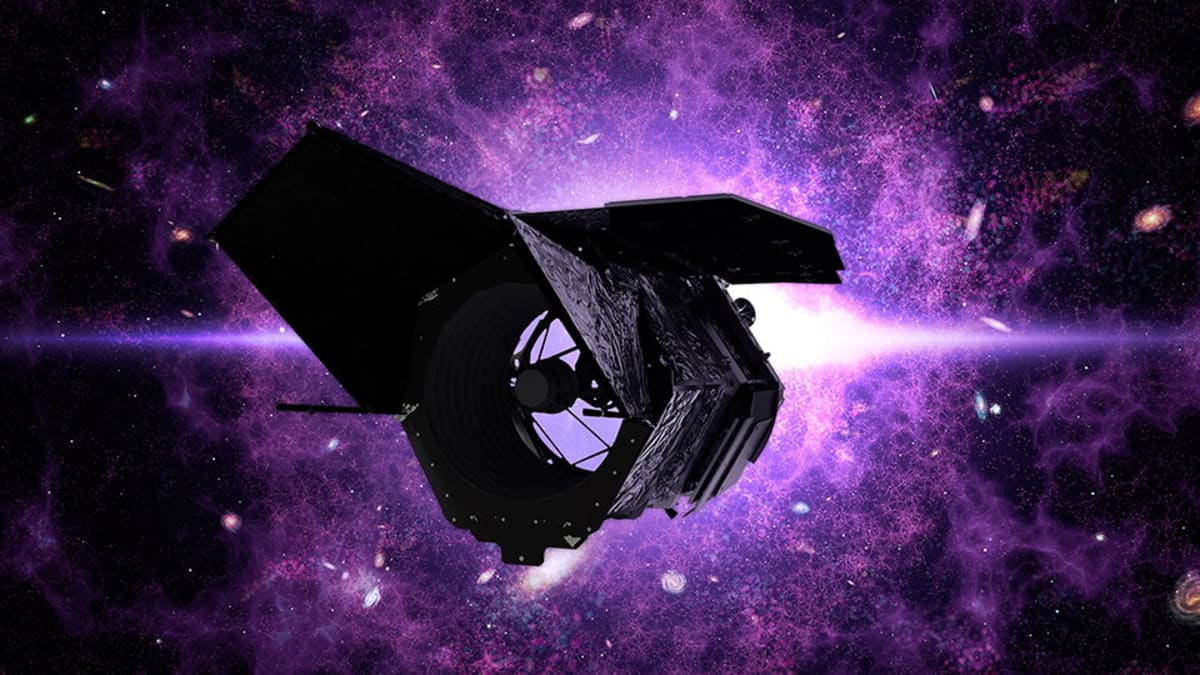
The James Webb Space Telescope, set to launch in 2018, will peer back 13.4 billion years to reveal the first stars ever formed. Nobel laureate John Mather told Congress this $8.8 billion instrument could rewrite our understanding of the cosmos and help find signs of life on distant planets.
Imagine seeing the very first stars that lit up our universe nearly 13.4 billion years ago, moments that have remained hidden since the beginning of time.
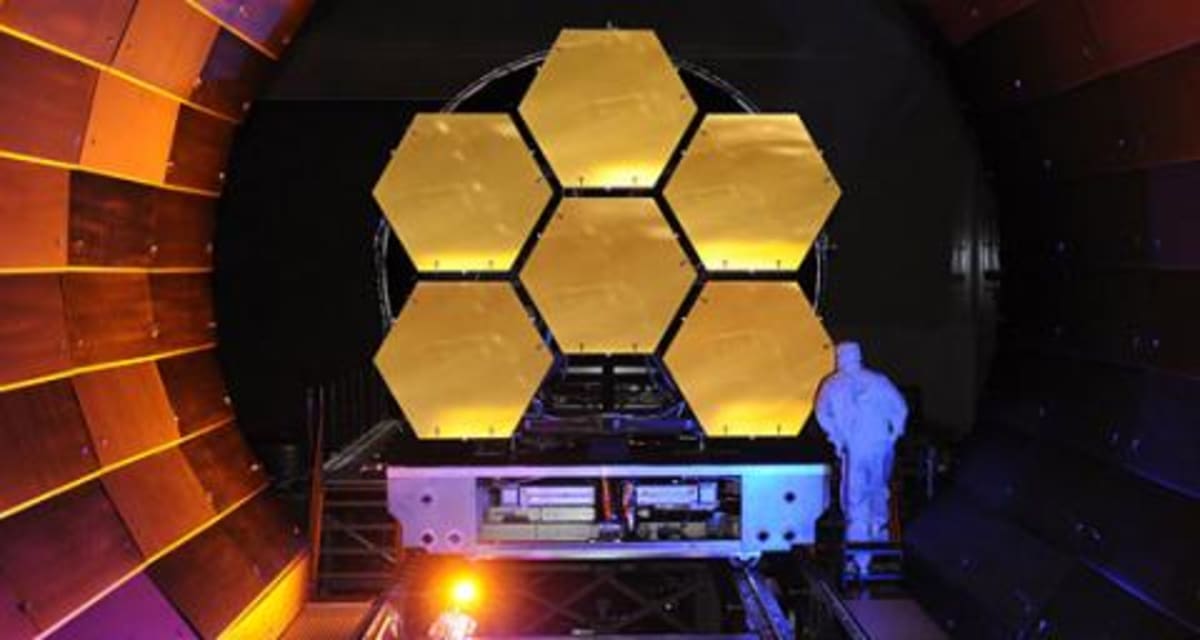
That's exactly what the James Webb Space Telescope promises to deliver when it launches in 2018, according to Nobel Prize winner John Mather, who testified before Congress about the groundbreaking project. The senior project scientist shared his excitement about an instrument so precise that if its mirror were stretched across the entire United States, height variations would measure less than three inches.
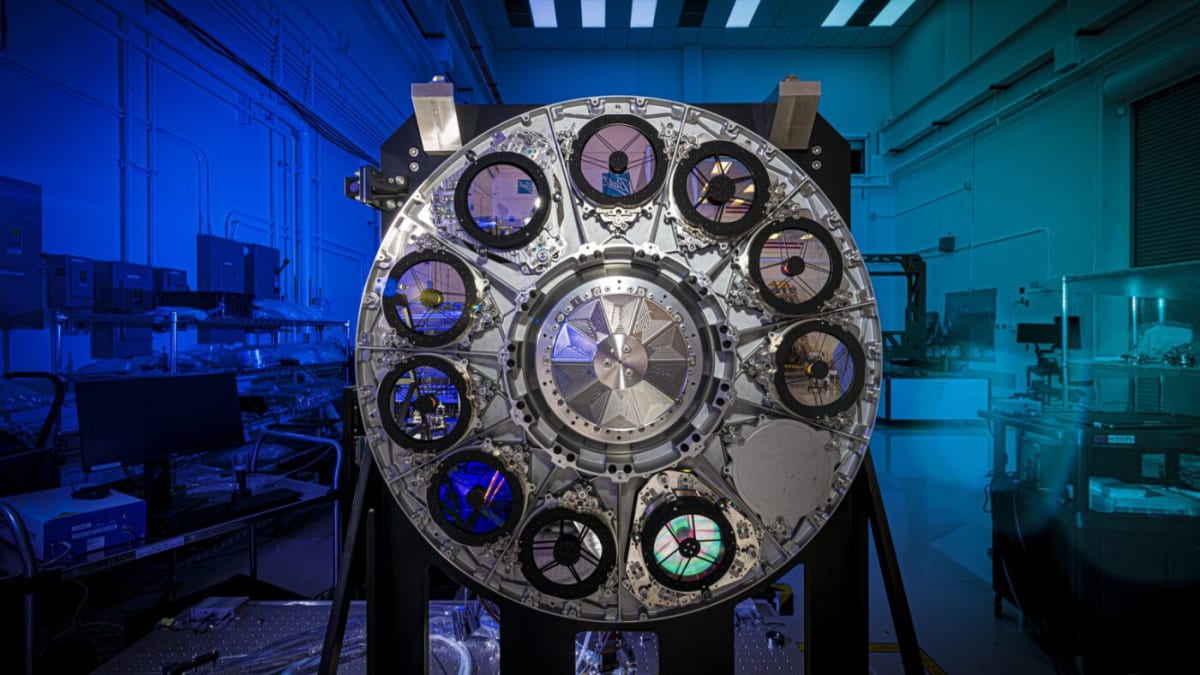
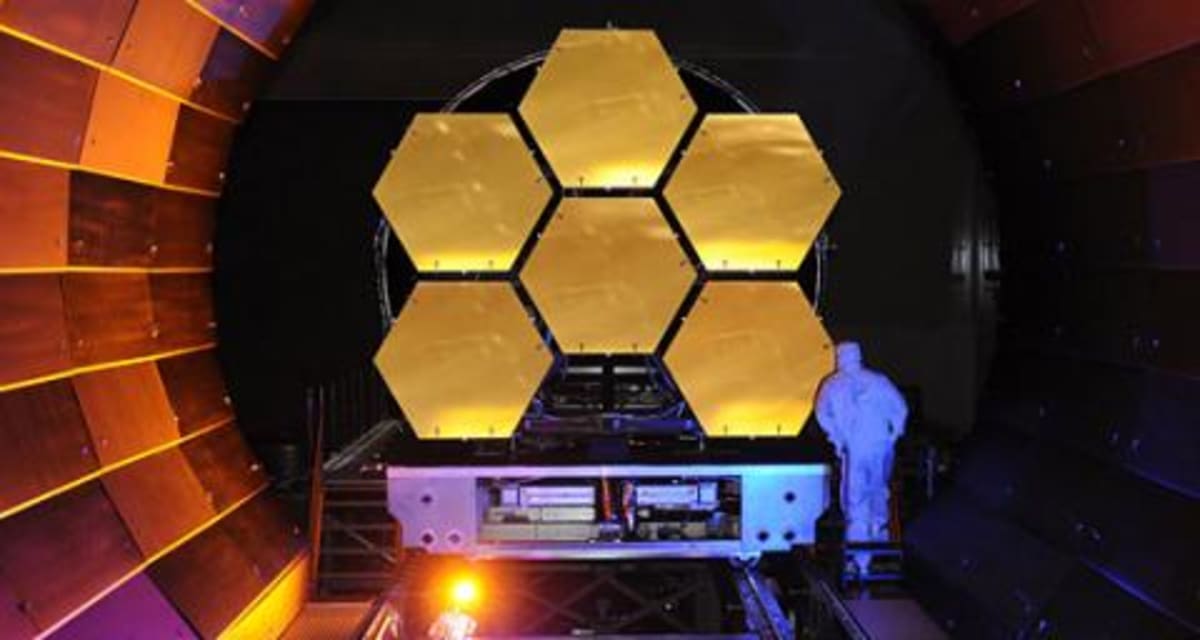
The telescope's mirror is five times larger than the famous Hubble Space Telescope, enabling it to capture images clearer than anything humanity has ever seen. The entire apparatus will fold up to fit inside a rocket, then unfold like cosmic origami as it travels more than a million miles from Earth to its permanent home.
Webb's journey hasn't been smooth sailing. The project started in 1999 with estimates between $1 billion and $3.5 billion, but costs ballooned to $8.8 billion as NASA faced technical challenges. Congress even voted to cancel the project in 2011 before restoring funding later that year.
Now, NASA officials say they're confident the telescope is on track with sufficient budget reserves. The Government Accountability Office confirmed the project looks solid, though careful attention is needed during the current system integration phase.
Why This Inspires
Beyond revealing the universe's first population of stars, Webb could answer one of humanity's most profound questions: Are we alone? Representative Lamar Smith highlighted that the telescope might detect biosignatures of life on other planets when combined with missions like the Transiting Exoplanet Survey Satellite.
These first stars will provide crucial information about how galaxies formed from the universe's primordial stages, potentially rewriting textbooks and transforming our understanding of cosmic history. Mather called Webb "the most important project I could be working on," reflecting the passion driving scientists who have dedicated years to this vision.
"We are an exceptional country for even dreaming up something like Webb," Mather told the House Subcommittee on Space. His words capture not just American ambition, but humanity's endless curiosity about our place in the cosmos.
The telescope stands as proof that even our biggest dreams, backed by persistence and innovation, can become reality among the stars.
More Images
Based on reporting by Google: James Webb telescope
This story was written by BrightWire based on verified news reports.
Spread the positivity!
Share this good news with someone who needs it