Nobel Winner's AI Predicts How Entire Human Cells Work
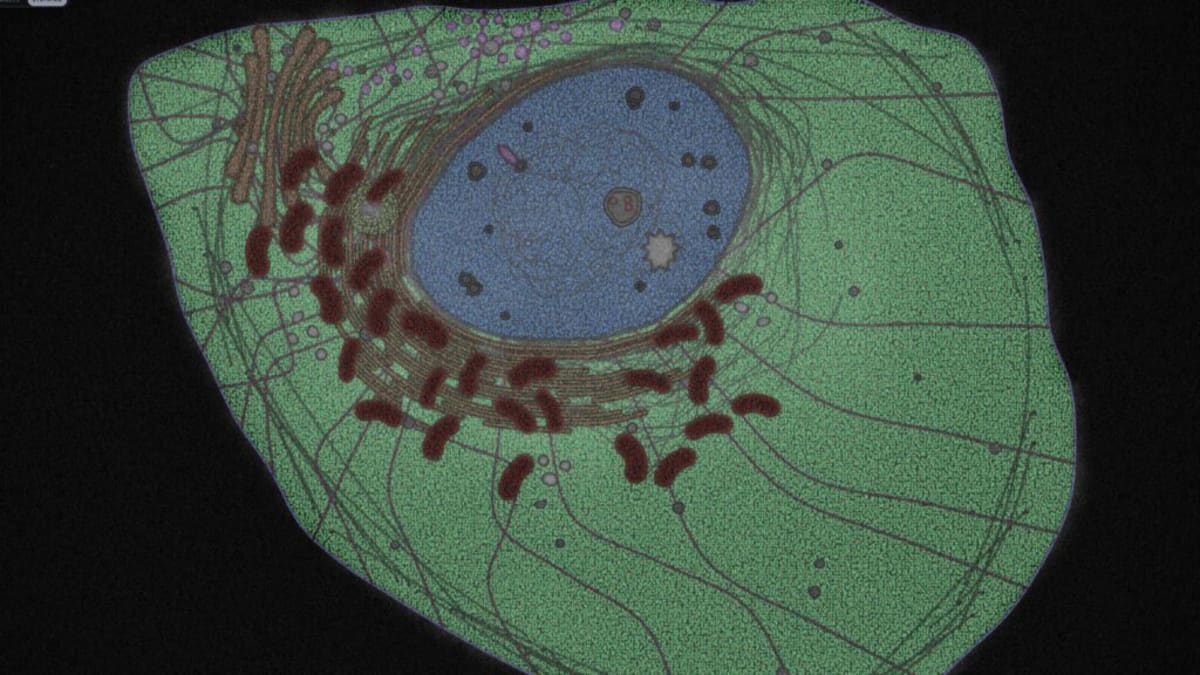
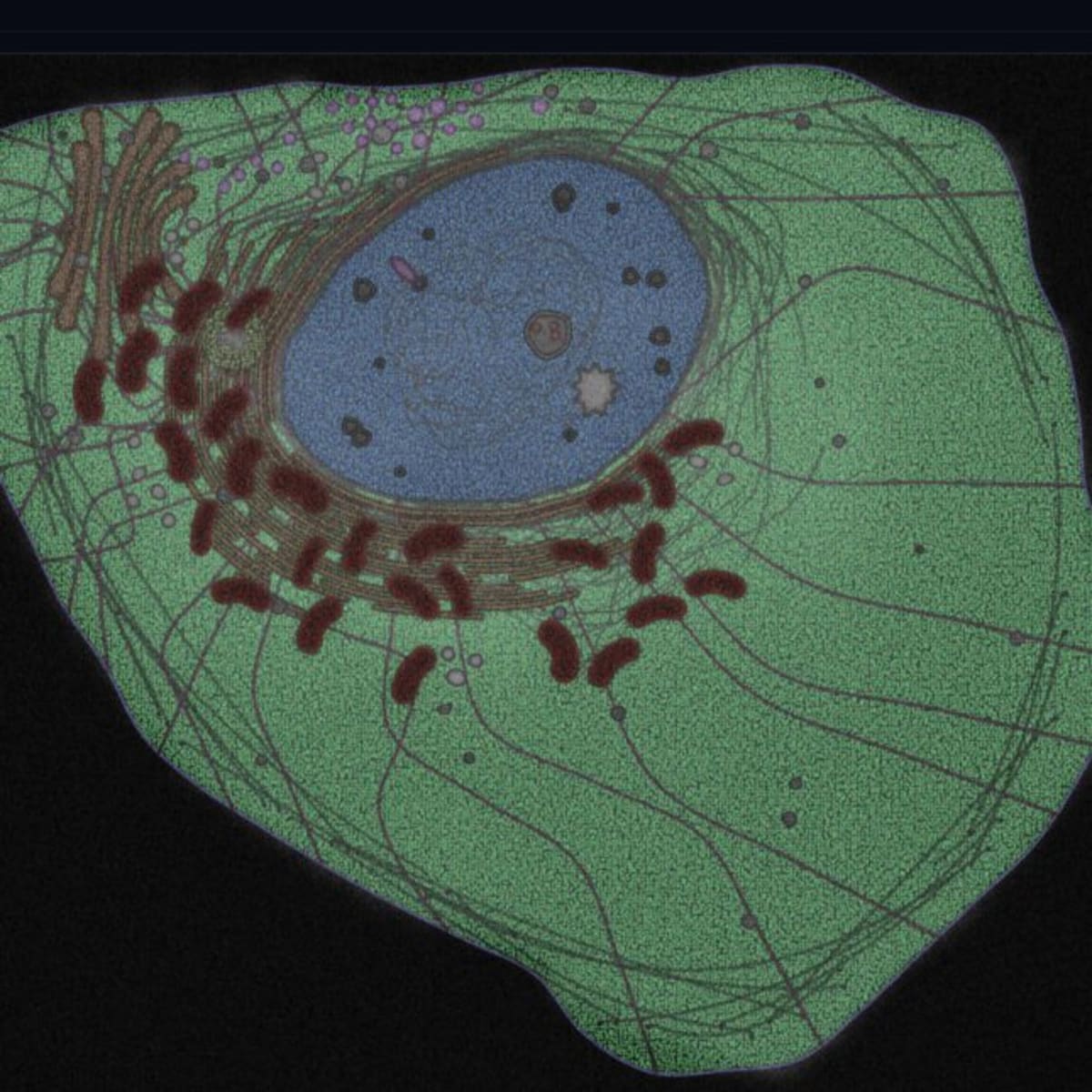
Scientists just unveiled virtual cell technology that simulates how all the molecular parts of a human cell interact, taking AI biology far beyond predicting single proteins. It's like Google Earth for cells, and it could revolutionize how we discover new medicines. #
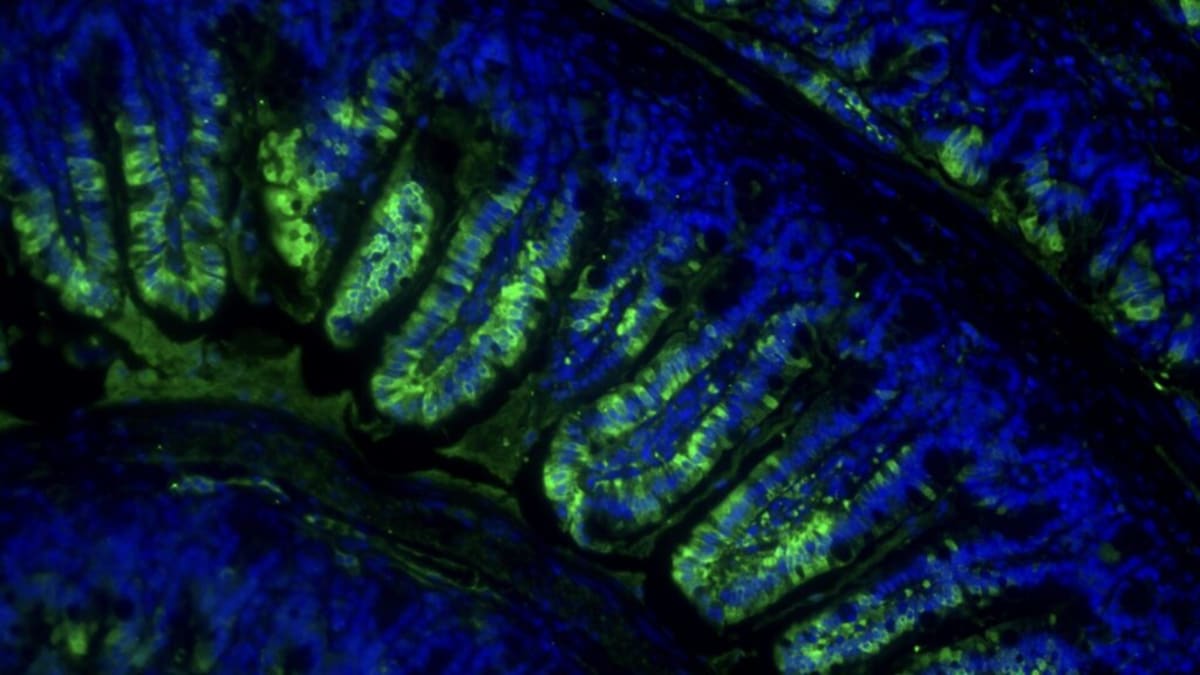
Imagine zooming into a human cell like you'd explore a city on Google Earth, watching proteins and DNA strands interact in real time. Now imagine dropping in a new drug and watching the entire cellular landscape shift before your eyes.
That vision just became reality. GenBio AI, a Palo Alto startup, unveiled AIDO Cell this week, a groundbreaking virtual cell system that predicts how an entire cell's molecular machinery behaves together.
The breakthrough represents a massive leap forward from AlphaFold, the famous AI that predicts individual protein structures. David Baker, who co-founded GenBio AI and won the 2024 Nobel Prize in chemistry for computational protein design, explains the difference simply: "With AlphaFold, you're predicting the structure of one house or learning about one person in that city, whereas in AIDO Cell, you're sort of predicting how that whole city works."
The technology could transform how scientists develop new treatments. Instead of spending years testing drugs in actual cells and animals, researchers could first experiment virtually, knocking out genes or introducing compounds to see how the entire cellular system responds.
This matters because cells are incredibly complex ecosystems. A single human cell contains thousands of different proteins, RNA molecules, and DNA sequences all working together. Understanding how changing one element affects everything else has been one of biology's greatest challenges.
The Ripple Effect
The potential applications extend far beyond drug discovery. Researchers could use AIDO Cell to understand diseases at a cellular level, revealing why certain genetic mutations cause problems or why some people respond differently to the same medication.
For biotech companies, this technology could slash the time and cost of early drug development. Virtual testing could help eliminate unpromising candidates before they reach expensive lab experiments, letting scientists focus resources on the most promising treatments.
The technology also democratizes cutting-edge science. Smaller research teams without massive budgets could run complex cellular simulations that would otherwise require expensive equipment and years of laboratory work.
Baker's team joins a growing movement using AI to accelerate biological research. While AlphaFold revolutionized protein science by solving structures that took scientists decades to crack, AIDO Cell tackles the even thornier problem of how those proteins work together in living systems.
The virtual cell represents a new frontier where computer science meets biology, creating tools that help us understand life itself at its most fundamental level.
Scientists testing the platform will determine how accurately it predicts real cellular behavior, but the early results look promising enough that GenBio AI is making it available to researchers now. The more scientists use it, the smarter and more accurate the system becomes.
This technology turns biology into something we can explore, experiment with, and understand in ways that were pure science fiction just a few years ago.
#
More Images


Based on reporting by STAT News
This story was written by BrightWire based on verified news reports.
Spread the positivity!
Share this good news with someone who needs it