Nobel Winner's Device Makes Water From Desert Air
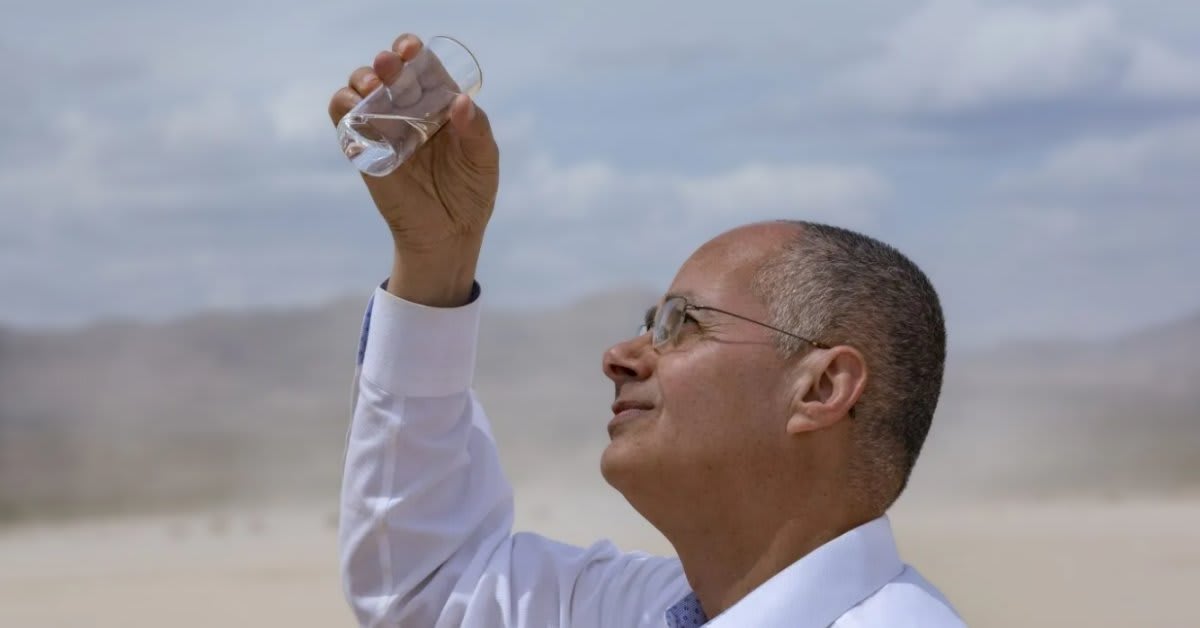
A Nobel Prize-winning chemist who grew up without reliable water access has invented a machine that pulls drinking water from desert air. The shipping container-sized device could help 2.2 billion people who lack clean water.
Omar Yaghi remembers the whisper spreading through his refugee neighborhood in Jordan: "The water is coming." He and his neighbors would rush to fill every container before the flow stopped, sometimes waiting two weeks between deliveries.
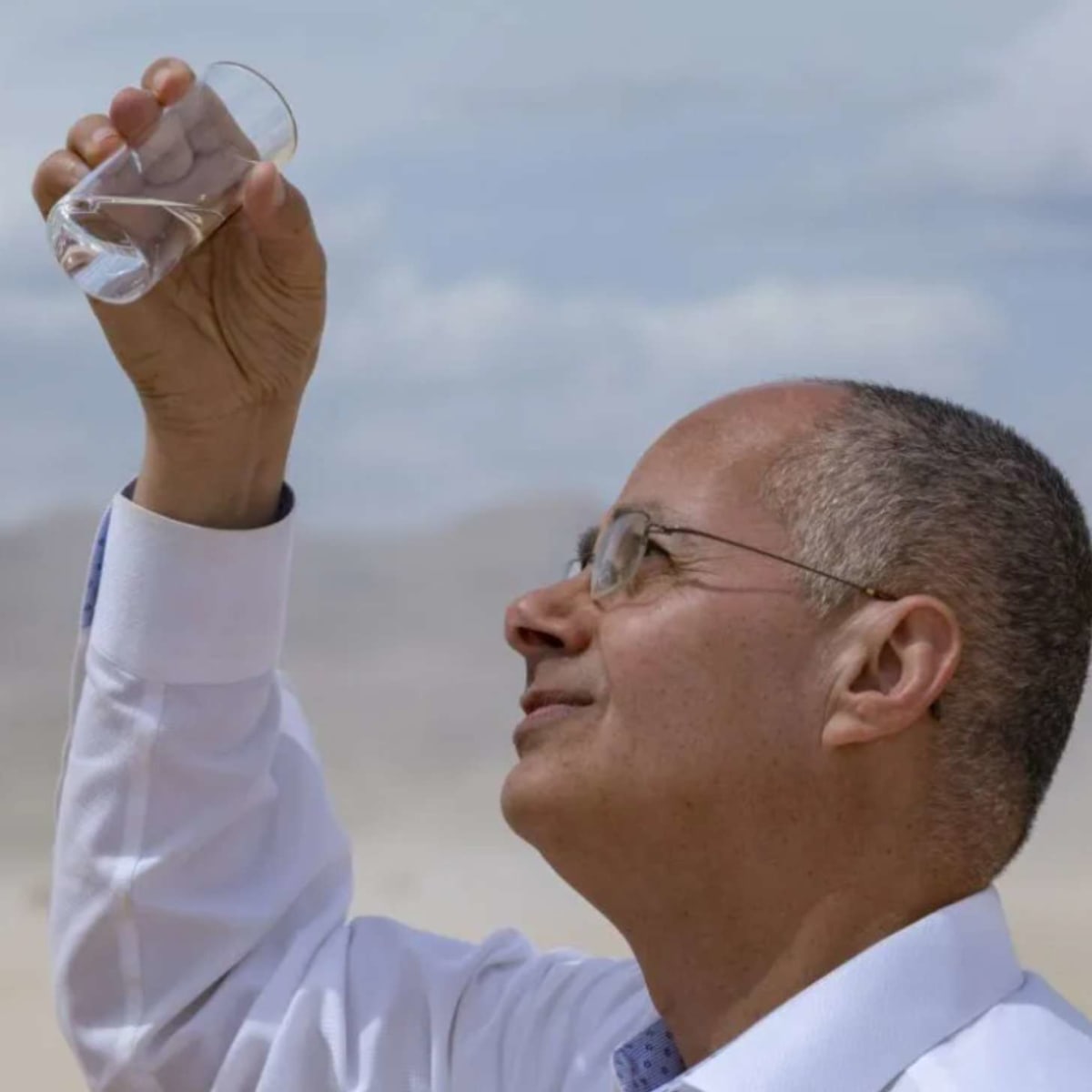
That childhood shaped his life's work. Now a Nobel Prize winner in chemistry, Yaghi has invented a device that extracts clean drinking water directly from air, even in deserts.
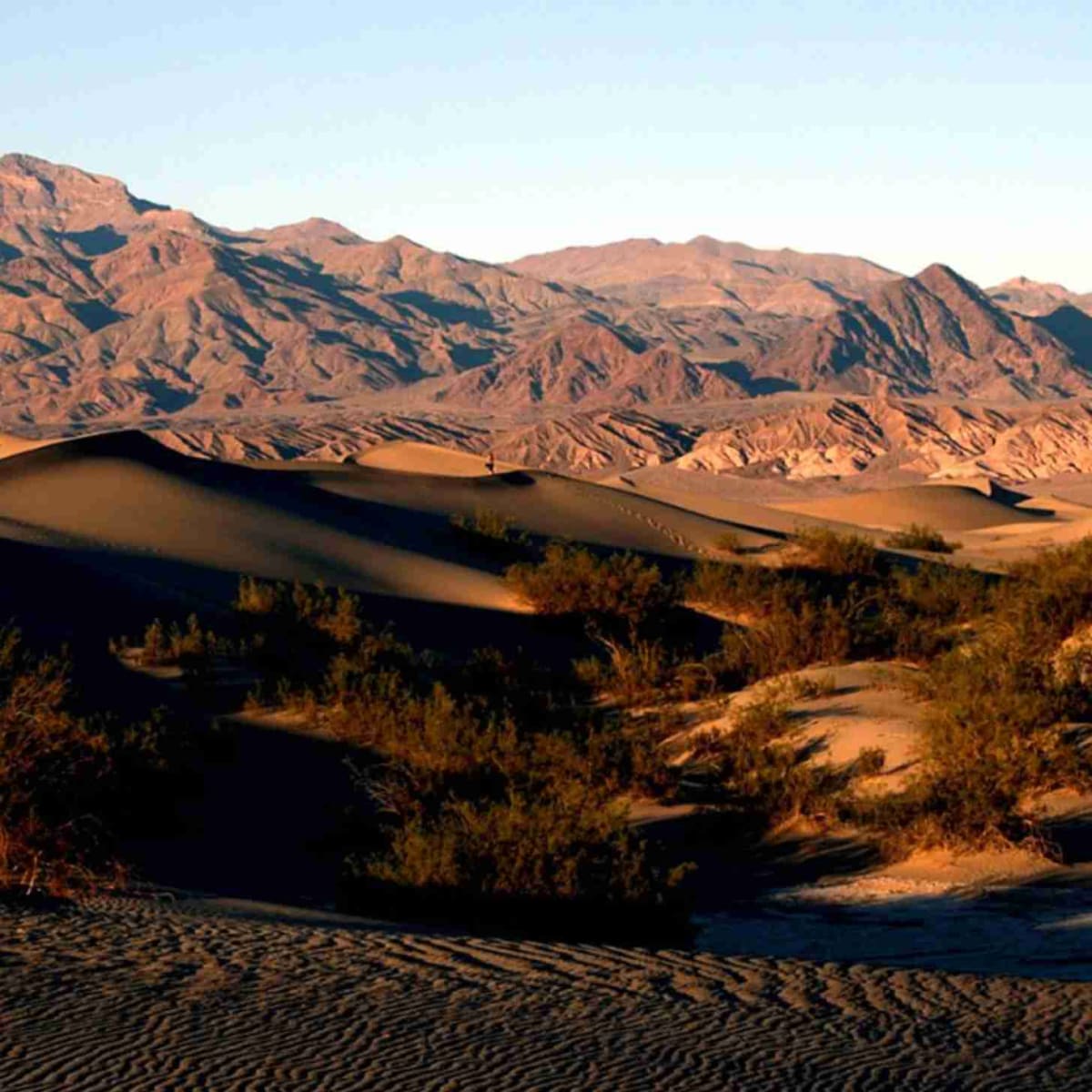
He recently tested it in Death Valley, one of Earth's hottest and driest places. It worked perfectly.
The machine uses metal-organic frameworks, super-porous materials that capture water vapor from extremely dry air. Once collected, the moisture condenses into clean drinking water you can actually drink.
Each unit is about the size of a shipping container and produces up to 1,000 liters of water daily. That's enough for hundreds of people.
The system runs entirely on ultra-low-grade thermal energy, meaning it works completely off-grid. No electricity infrastructure needed. No pipelines required. Just air and science.
Yaghi founded a technology company called Atoco to manufacture the devices. He envisions them serving remote villages, disaster zones, and drought-stricken regions where traditional water sources have failed.
The timing couldn't be more critical. According to the United Nations, 2.2 billion people still lack safely managed drinking water. Climate change is making droughts more severe and hurricanes more destructive, leaving communities without water for weeks after disasters.
The Ripple Effect
Yaghi sees his invention as more than a water solution. It's proof that science can reimagine what's possible when we remove barriers and protect academic freedom.
In his Nobel Prize acceptance speech, he urged world leaders to support innovation that addresses climate challenges. "On climate, the hour for collective action has already arrived," he said. "The science is here. What we need now is courage."
His device represents a fundamentally new approach to water access. Instead of moving water to people through expensive infrastructure, it creates water wherever people are.
For island nations vulnerable to extreme weather, for desert communities, for anyone who's ever waited anxiously for water that might not come, this technology offers genuine hope. A child somewhere won't have to remember the anxiety Yaghi felt, wondering if the water would arrive before the containers ran out.
More Images

Based on reporting by Good Good Good
This story was written by BrightWire based on verified news reports.
Spread the positivity!
Share this good news with someone who needs it