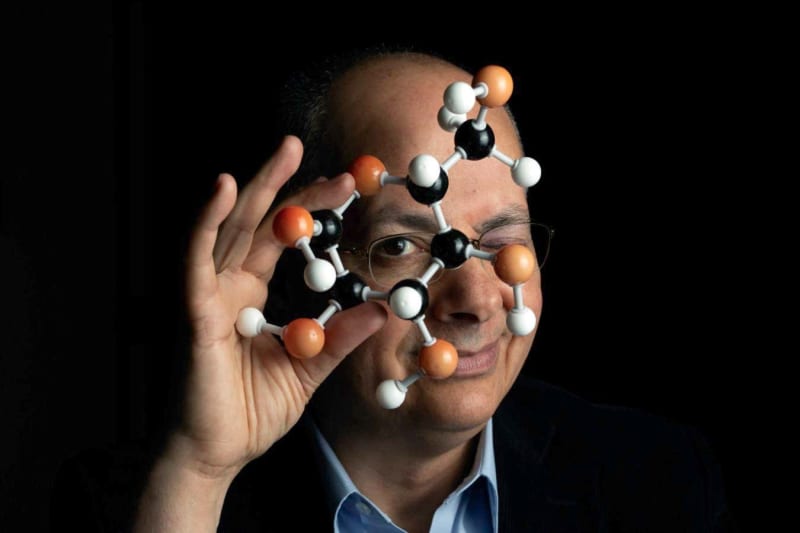
Nobel Winner's Sponge Material Harvests Water From Desert Air
A scientist who just won the 2025 Nobel Prize in Chemistry invented ultra-porous materials that can pull drinking water from desert air and capture carbon dioxide from the atmosphere. Omar Yaghi believes these "sponge-like" crystals could define humanity's next era.
Imagine a material so filled with tiny holes that a sugar cube of it has the same internal surface area as a football field.
Omar Yaghi at the University of California, Berkeley, made exactly that in 1999, and it just earned him a share of the 2025 Nobel Prize in Chemistry. His invention, called metal-organic frameworks (MOFs), might sound like something from a science fiction novel, but it's already solving real problems today.
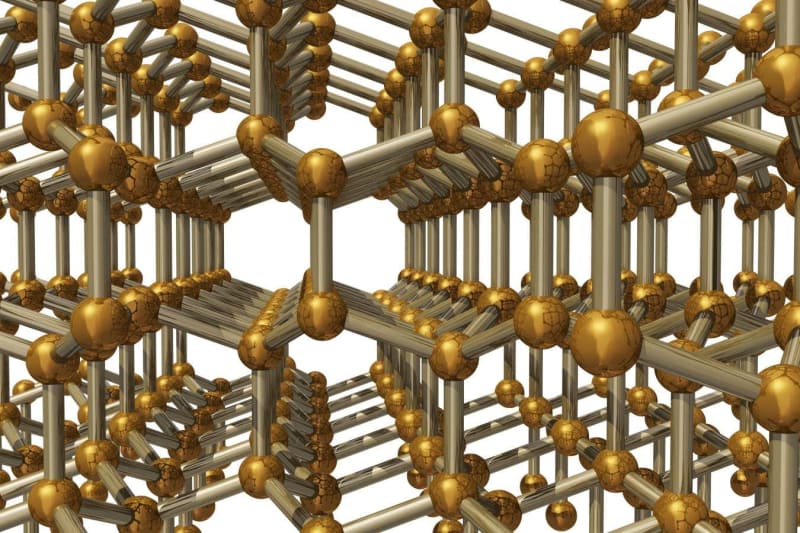
MOFs are crystalline materials that look solid from the outside but are actually more hole than substance on the inside. Think of them as microscopic sponges with perfectly organized pores. Yaghi pioneered these materials in the 1990s, launching an entirely new field called reticular chemistry.
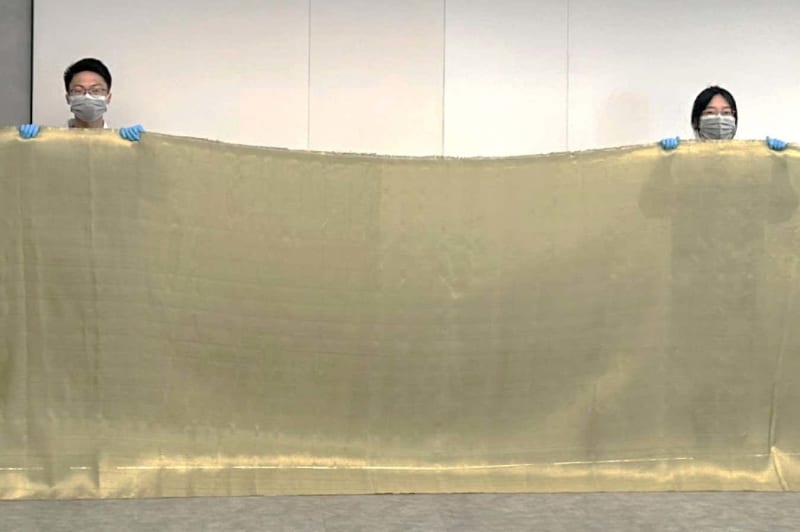
The magic happens because those abundant pores can trap other molecules inside them. In the driest deserts on Earth, MOFs can pull water vapor from the air and turn it into drinkable water. They can also absorb carbon dioxide directly from the atmosphere, offering a potential tool in the fight against climate change.
Yaghi believes these materials are so transformative that they could define the next age of human civilization. Just as we name historical periods after their defining materials (the Stone Age, the Bronze Age, the Silicon Age), he thinks we might one day look back and call our era the age of MOFs.
The scientist and his team continue inventing new variations of these materials, along with similar cousins called covalent organic frameworks (COFs). Each new version can be designed for specific tasks, from storing hydrogen fuel to filtering pollutants.
The Ripple Effect
What makes this breakthrough so hopeful is its versatility. The same basic concept can address multiple global challenges at once. Communities without access to clean water could harvest it from thin air. Industrial facilities could capture their own carbon emissions before they reach the atmosphere. Energy companies could store clean fuels more efficiently.
Yaghi's optimism isn't just about the science itself. It's about what happens when brilliant minds focus on building solutions instead of just studying problems. His decades of work show that patient, persistent innovation can create tools we never imagined possible.
The materials are already moving from laboratories into the real world, proving that today's chemistry breakthroughs become tomorrow's everyday solutions.
More Images


Based on reporting by New Scientist
This story was written by BrightWire based on verified news reports.
Spread the positivity!
Share this good news with someone who needs it