Nobel Winner's Vaccine Legacy Saves Millions Worldwide
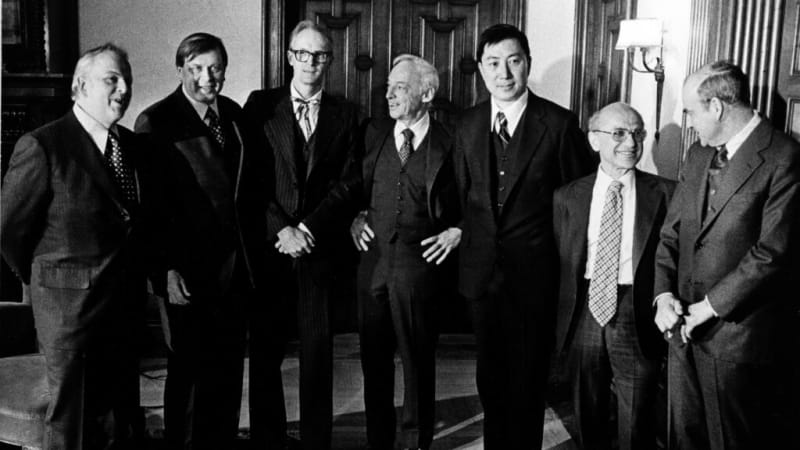
The hepatitis B vaccine, created by Nobel Prize winner Baruch Blumberg and shared freely with the world, has prevented millions of deaths since 1976. His granddaughter, now a physician, reflects on how his generous spirit and groundbreaking science continue protecting children globally.
When Baruch Blumberg won the Nobel Prize in 1976 for discovering the hepatitis B virus and creating its vaccine, he made a choice that would save countless lives. He released the patent publicly, allowing any pharmaceutical company to produce it cheaply and distribute it worldwide.
That decision mirrors Jonas Salk's choice with the polio vaccine. Both men chose humanity over personal profit, embodying the best of American scientific achievement.
Today, hepatitis B kills more than a million people annually from liver failure, cirrhosis, and cancer. But in countries where the vaccine reaches newborns, infection rates have plummeted dramatically, especially among infants and young children.
The vaccine works by teaching the immune system to recognize and eliminate the virus before infection takes hold. Without it, a newborn exposed to hepatitis B has a 90% chance of developing chronic infection that can lead to early death from liver disease.
Blumberg's granddaughter, Dr. Emilie Thompson, followed him into medicine, graduating from the same Columbia medical school 70 years after he did. She now treats patients in Baltimore as a hematology-oncology fellow, carrying forward his legacy of compassionate care.
Her grandfather traveled the world collecting blood samples from remote communities, arriving by dugout canoe and bush plane. He brought antibiotics, bandages, and vaccines, building trust with people who had every reason to distrust outsiders.
That genuine human connection, Thompson says, remains the foundation of good medicine. In an era when medical mistrust runs high, she works to earn the same relationships her grandfather built through authentic engagement and care.
The Ripple Effect
Blumberg's generous patent release in 1976 created a cascade of protection that continues today. Pharmaceutical companies worldwide could immediately begin producing affordable vaccines, accelerating global distribution.
Countries that implemented universal hepatitis B vaccination for newborns saw dramatic results within a generation. Children who would have faced chronic illness and early death now grow up healthy, never passing the infection to their own children.
The vaccine represents more than individual protection. Each vaccination strengthens community immunity, creating shields that protect the most vulnerable, including those who cannot be vaccinated.
Thompson sees her work as continuing her grandfather's mission of connection and service. She remembers his advice: "Be a skeptic, but never be a cynic." That balance of critical thinking and hope guided his groundbreaking research.
The hepatitis B vaccine stands as proof that American scientific innovation, combined with generosity of spirit, can transform global health. It remains one of our nation's proudest achievements in public health.
More Images


Based on reporting by STAT News
This story was written by BrightWire based on verified news reports.
Spread the positivity! 🌟
Share this good news with someone who needs it


